Panorama AI
American startup focused on AI-powered personalization for retail.
Role: Senior Product Designer — End-to-end design (UX process, wireframing, prototyping, high-fidelity mockups, design system, branding, and marketing materials). Tools: Figma, Figma Make, Figma Design Agent, FigJam, Claude, ChatGPT, Gemini, Relume, Napkin, Gamma, LottieFiles, Figma Motion, Miro, Loom, Jira, Confluence. Year: 2023 – Present
I joined as the sole designer, responsible for building the product experience from scratch — working closely with the client and product manager to translate business requirements into a fully functional AI-powered SaaS platform for marketers (with LLM-based assistants integration), a mobile survey app, a Web AR viewer, a brand identity, and a go-to-market website.
Customer Platform
This SaaS platform enables marketers to view all attributes collected by Panorama on behalf of their clients in a simple, intuitive manner — providing a better understanding of their customers. The product is also evolving to integrate LLM-based AI assistants. This evolution is driven by user behavior insights, aimed at reducing complexity and streamlining the experience — creating a more intuitive and efficient workflow for users.
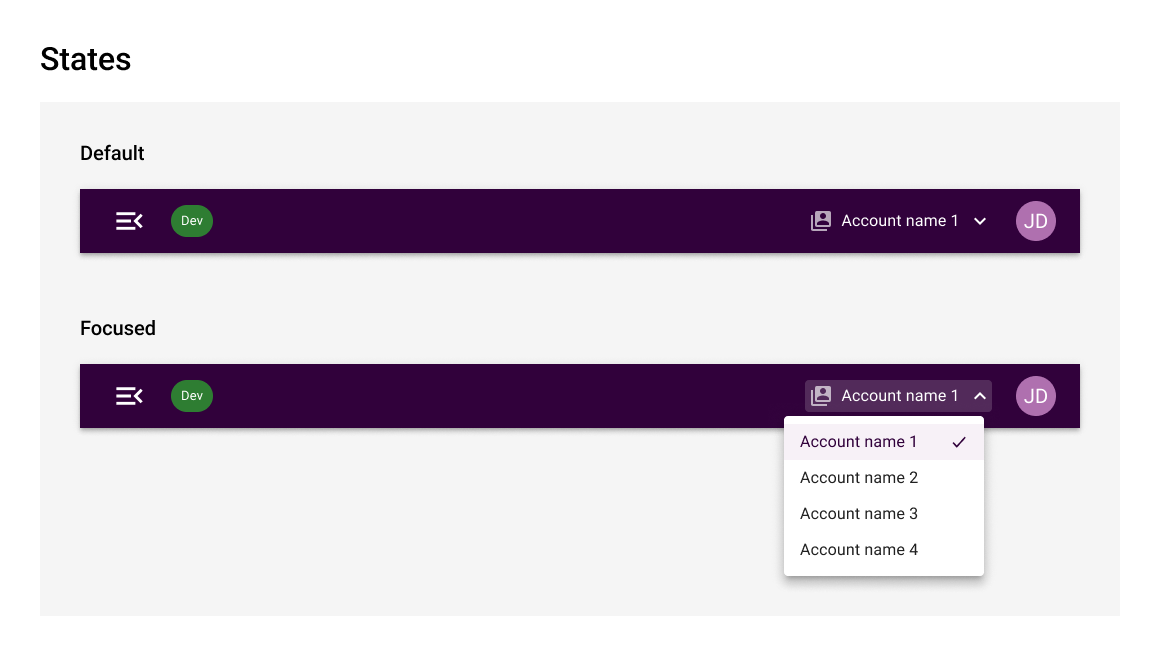
The UI was built on Material UI (MUI), adapting its color system to match the Panorama brand and developing custom components where the product required functionality beyond the library's default offering.
Benchmarking
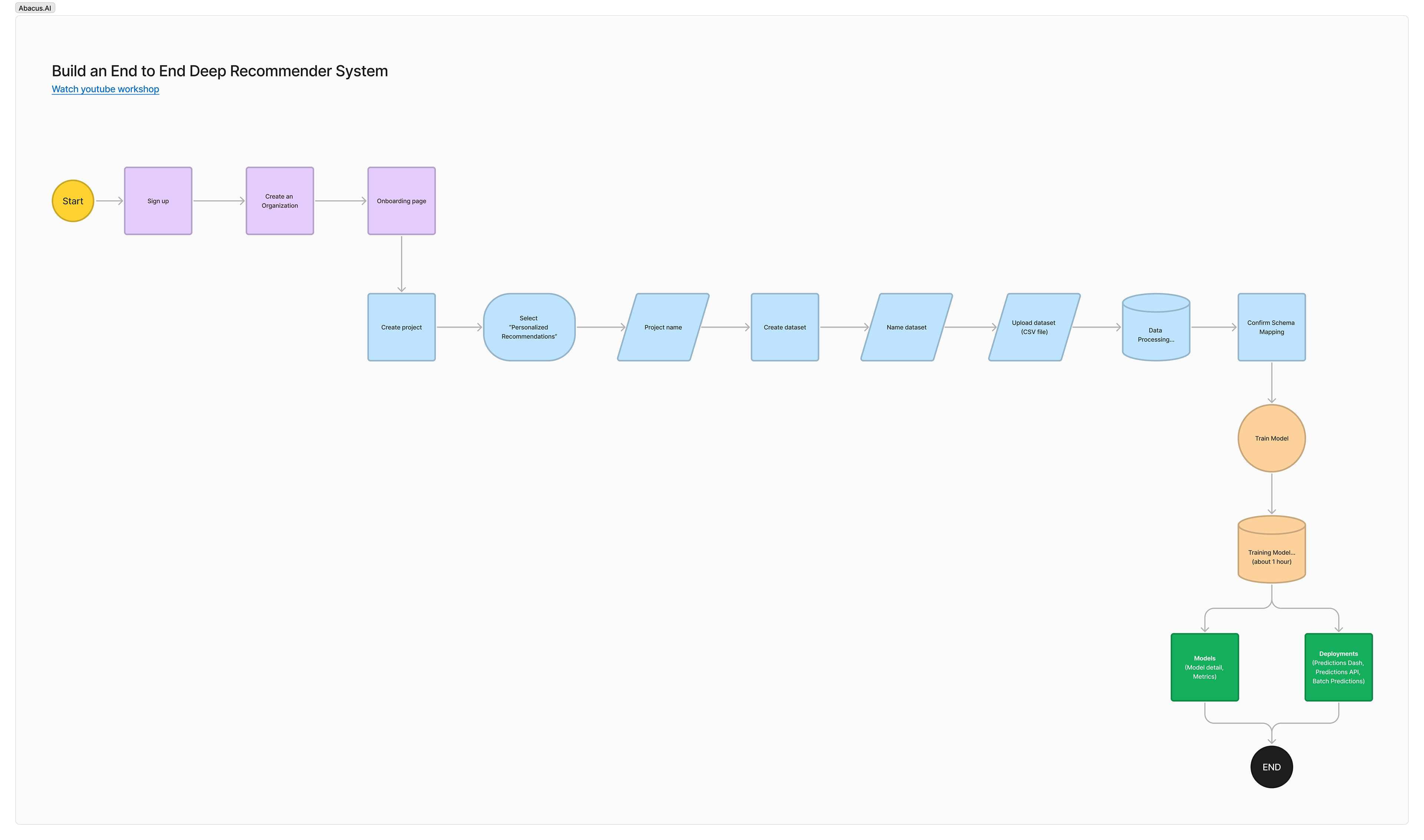
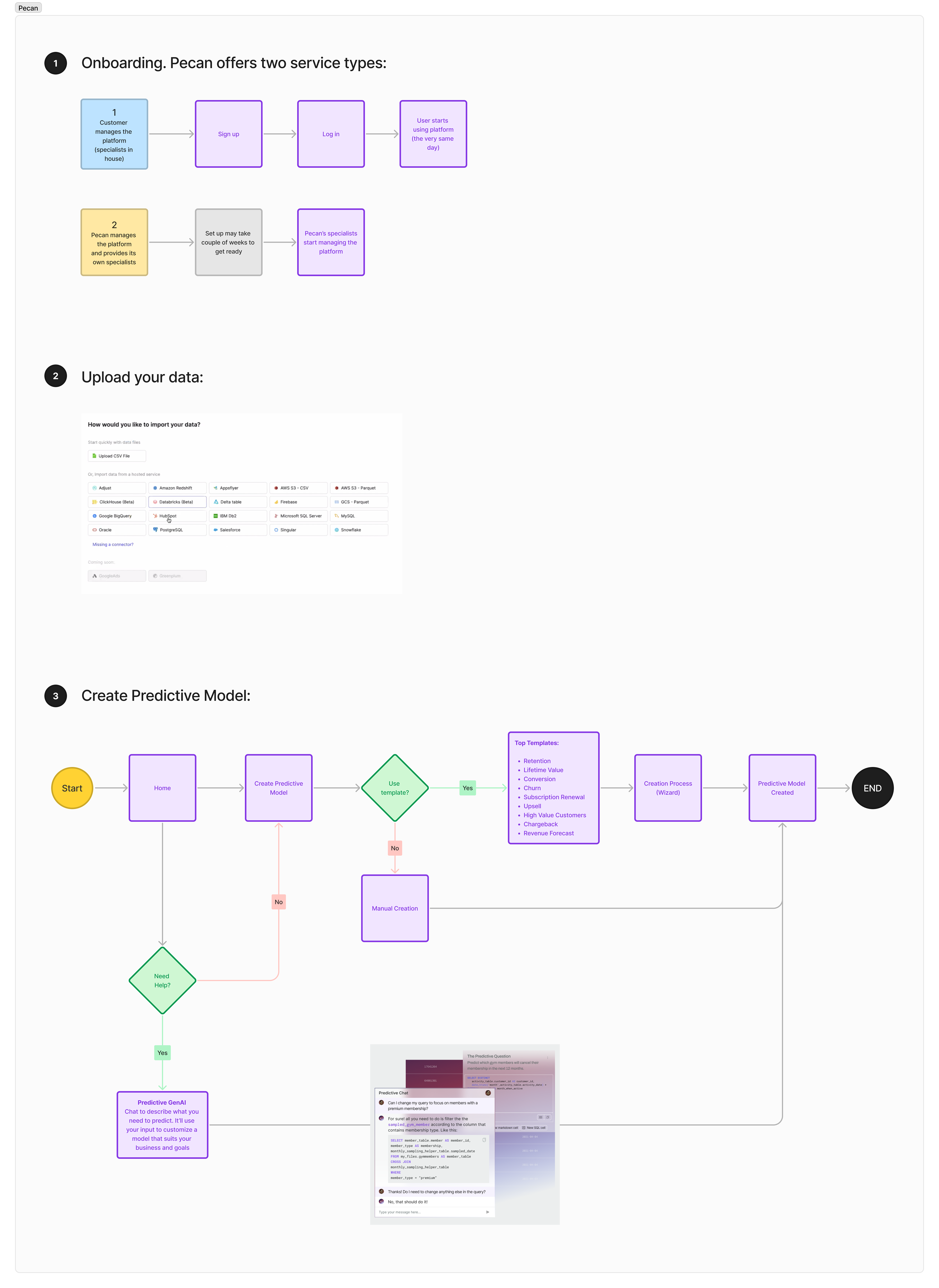
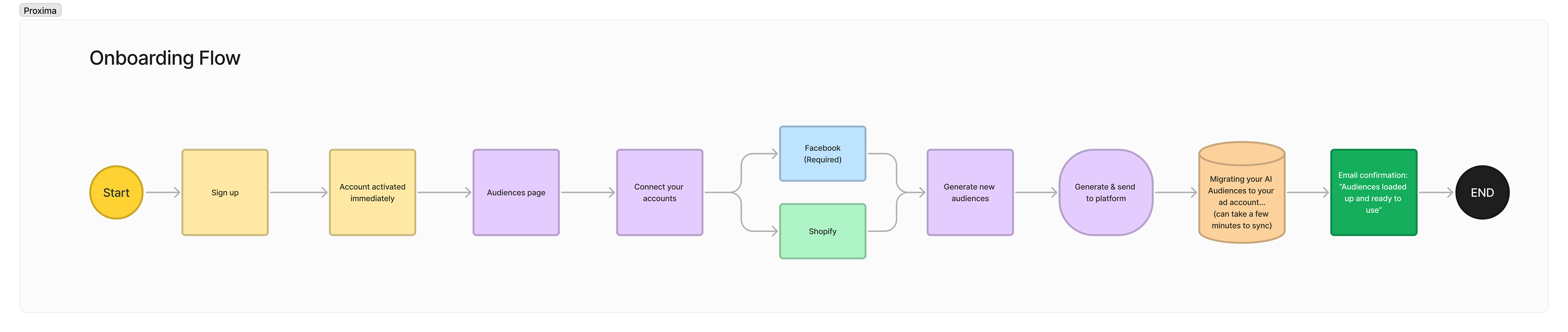
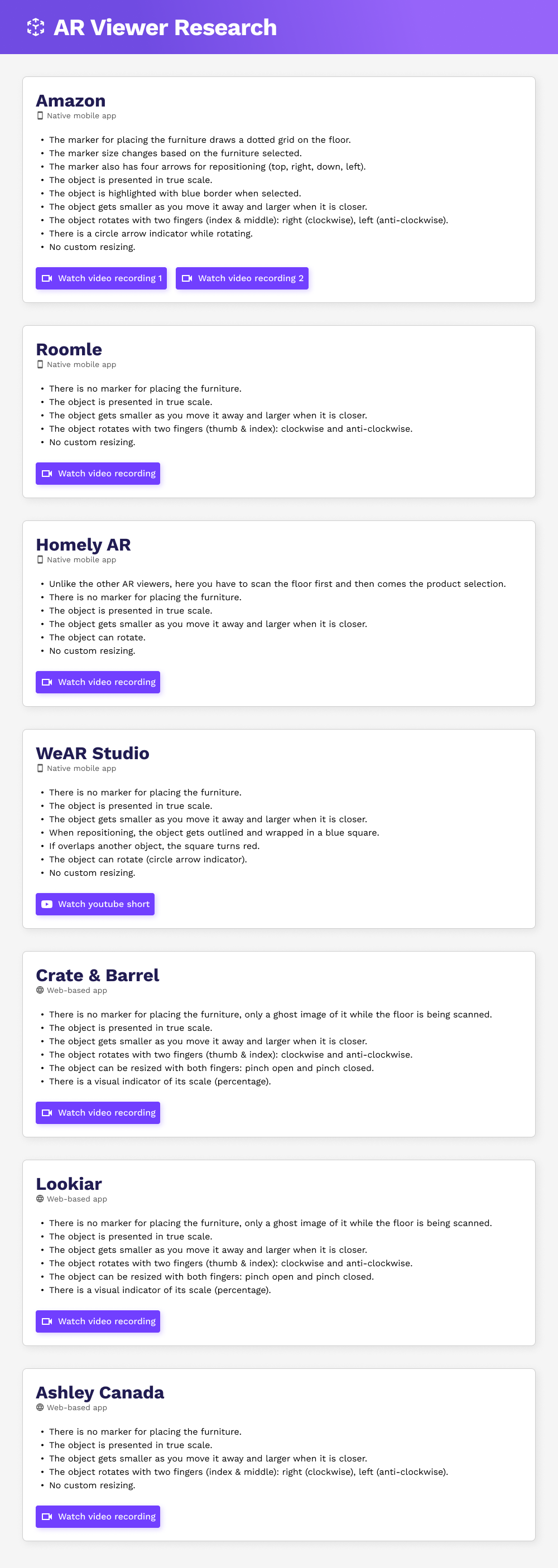
Benchmarked competing platforms to identify UX patterns and inform the product direction, based on business context provided by the client and PM.
UX Process
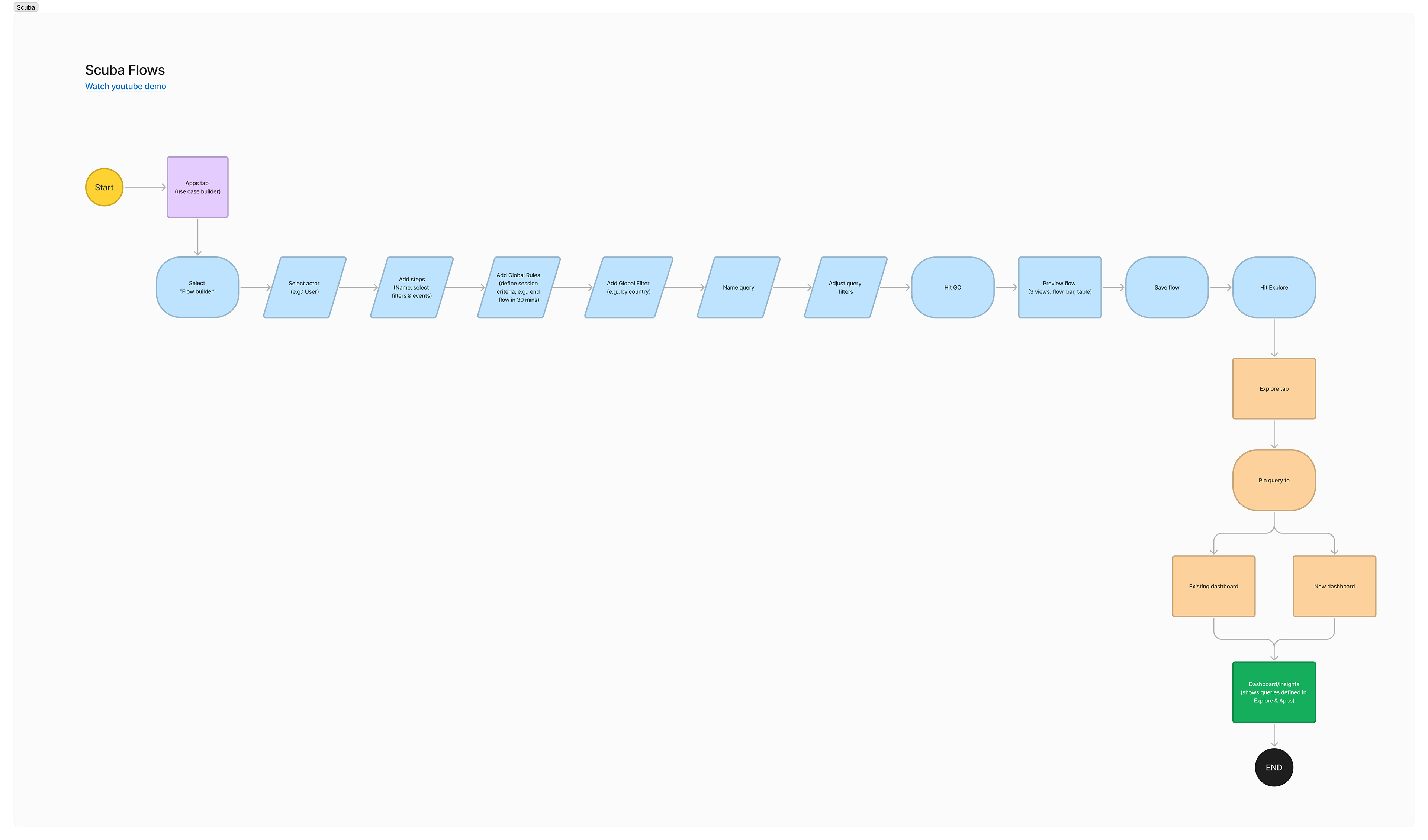
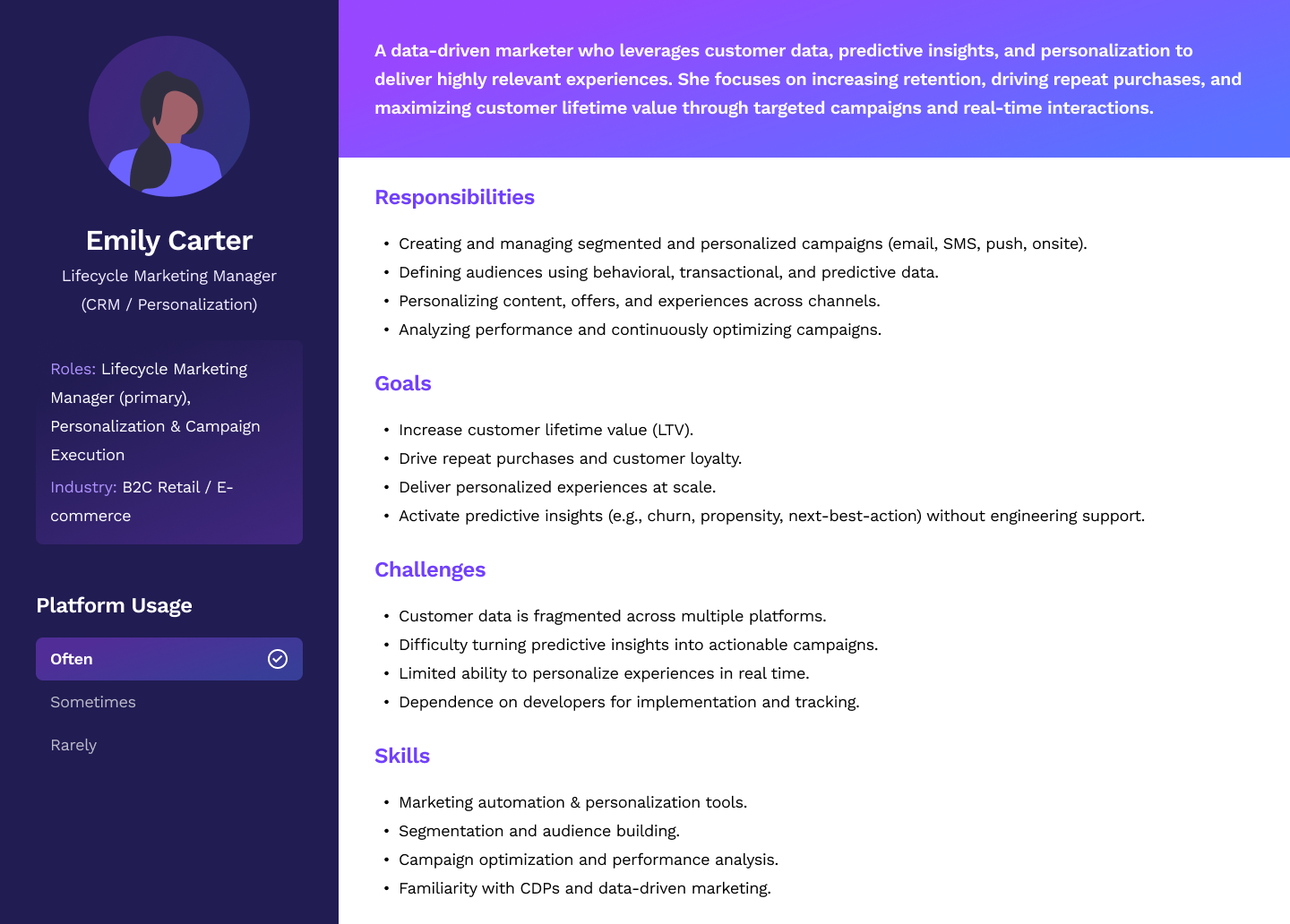
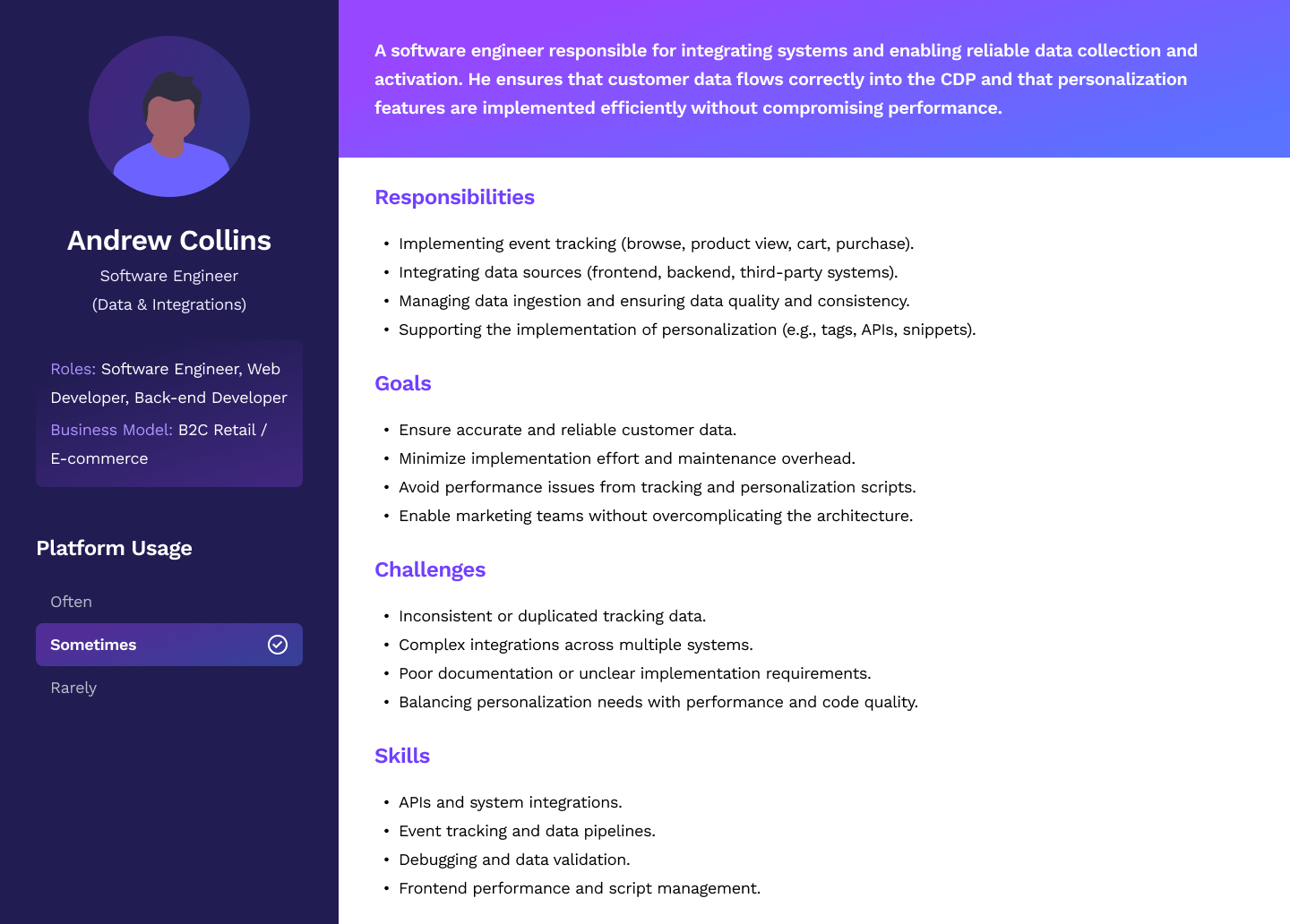
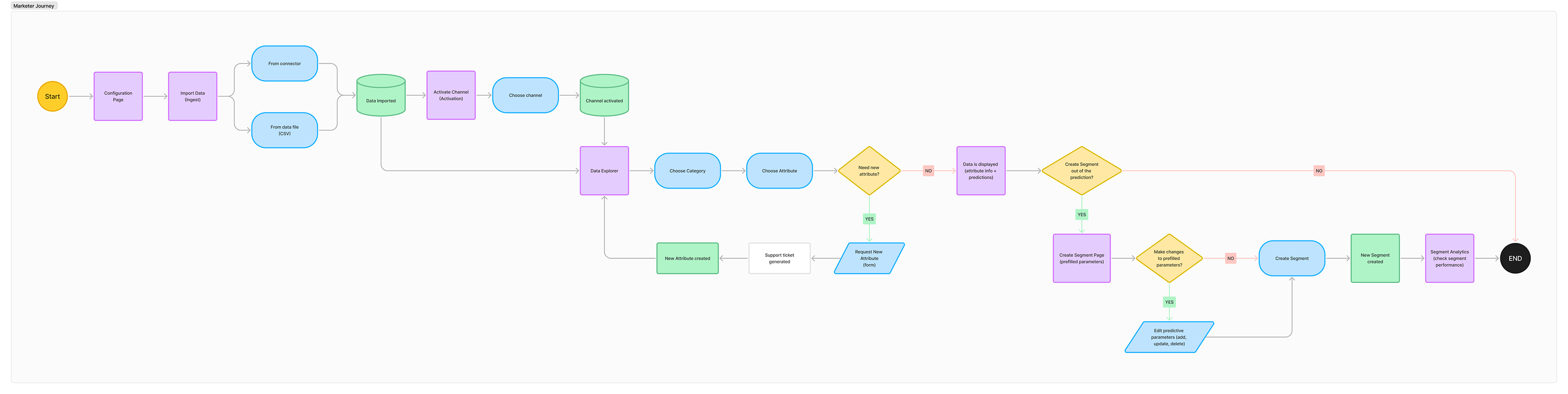
User needs and flows were identified based on insights gathered from the client and PM. Primary and secondary users were defined, and a marketer journey was mapped to describe the end-to-end experience of building and engaging an audience within the platform — providing the foundation for key design decisions.
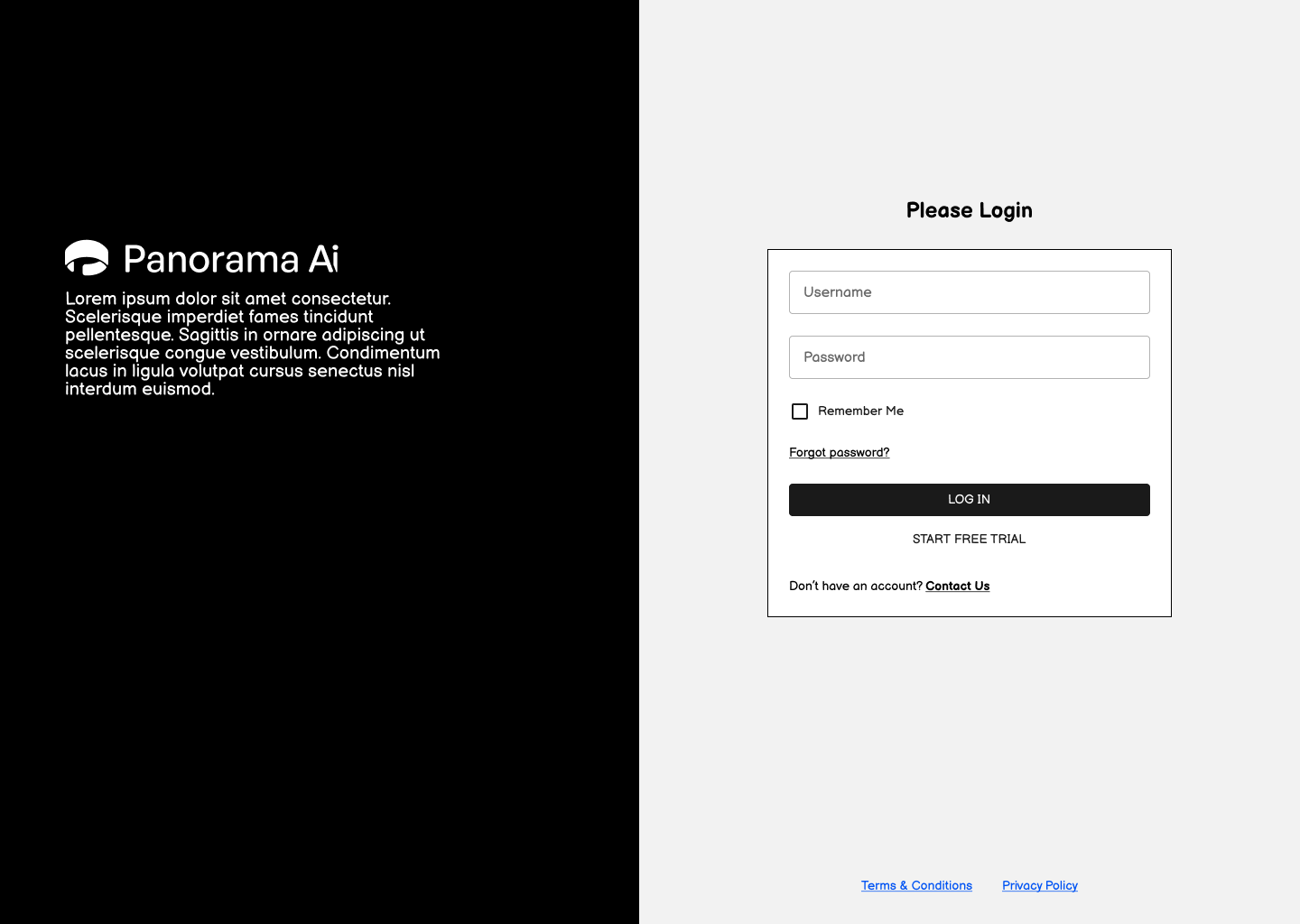
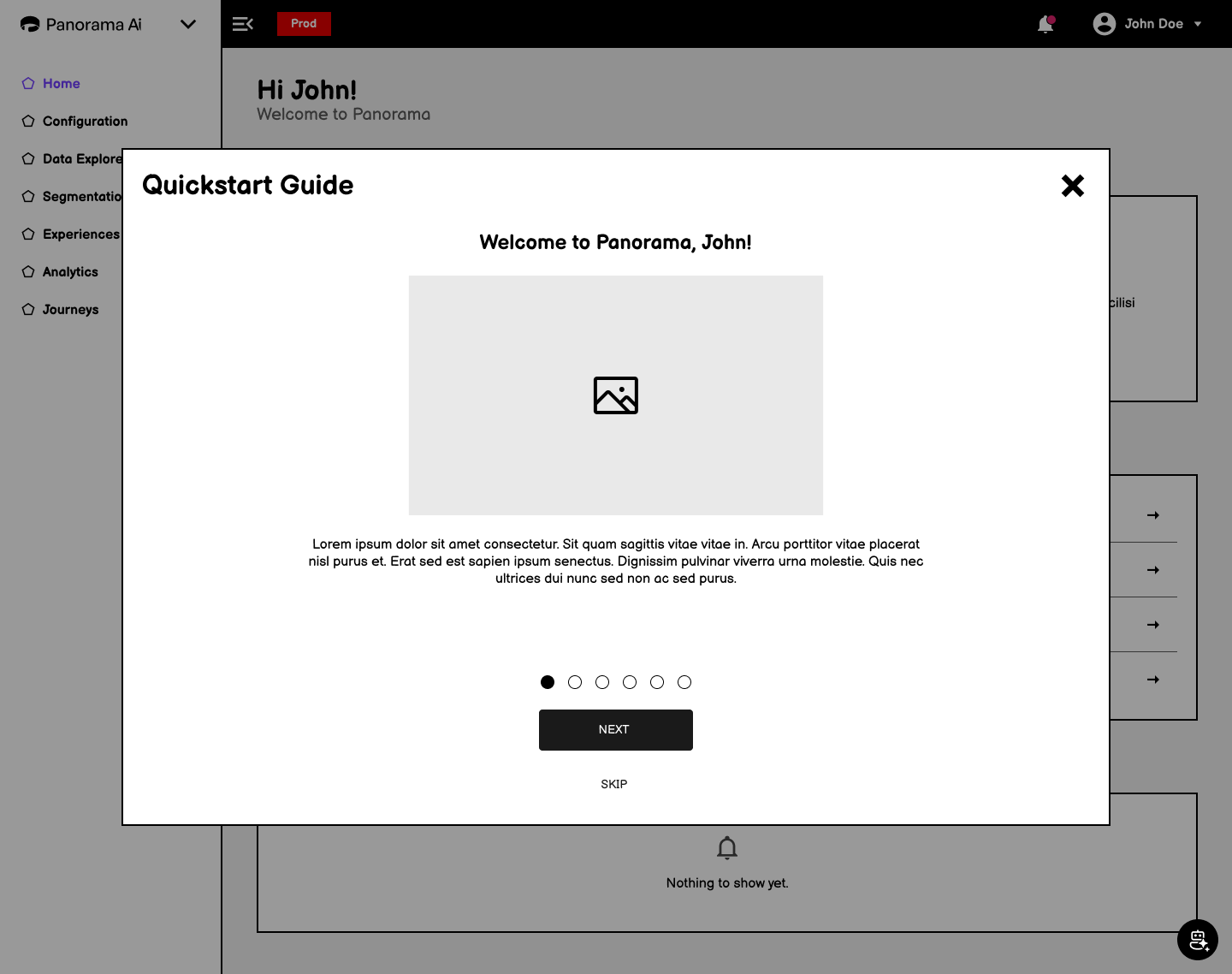
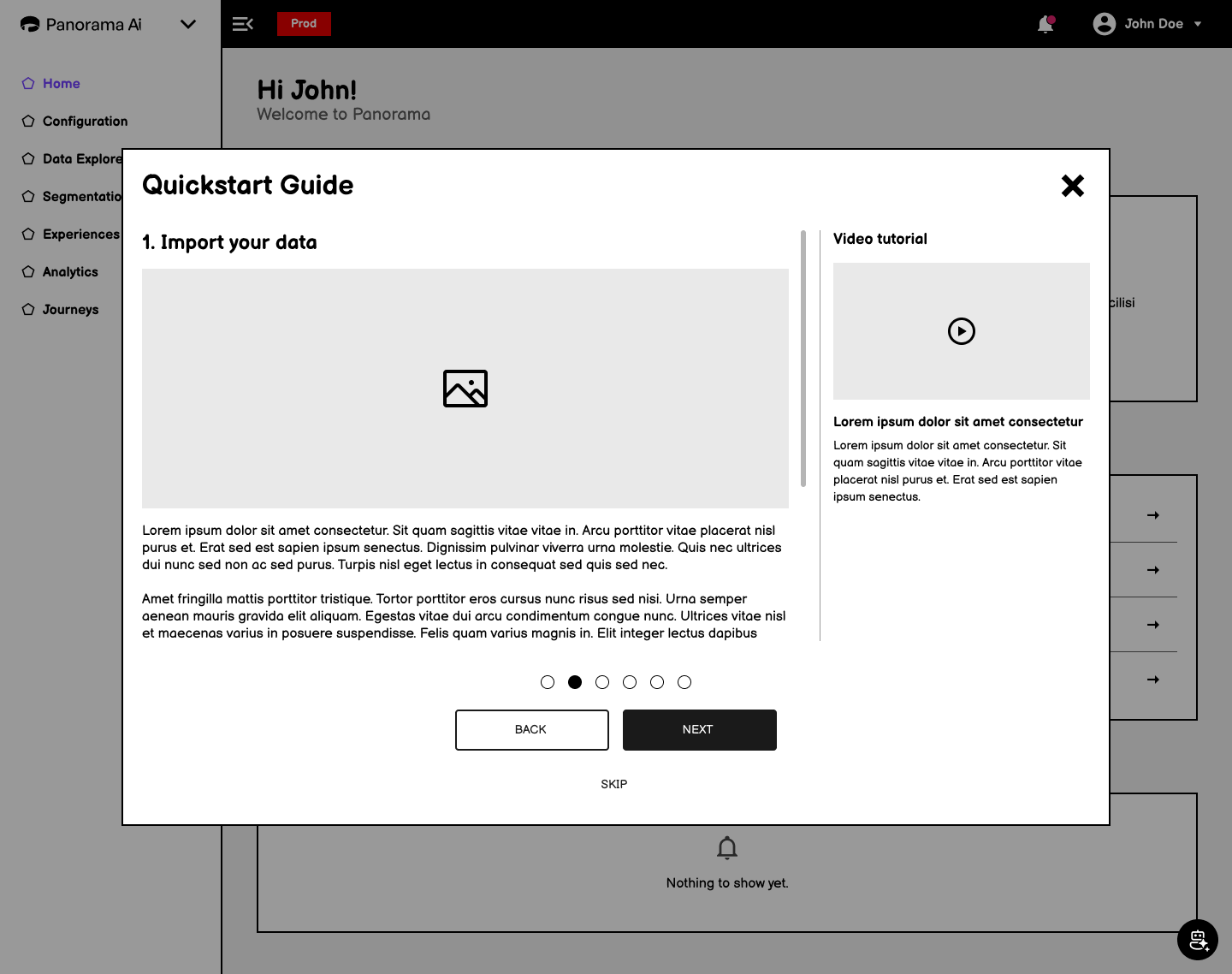
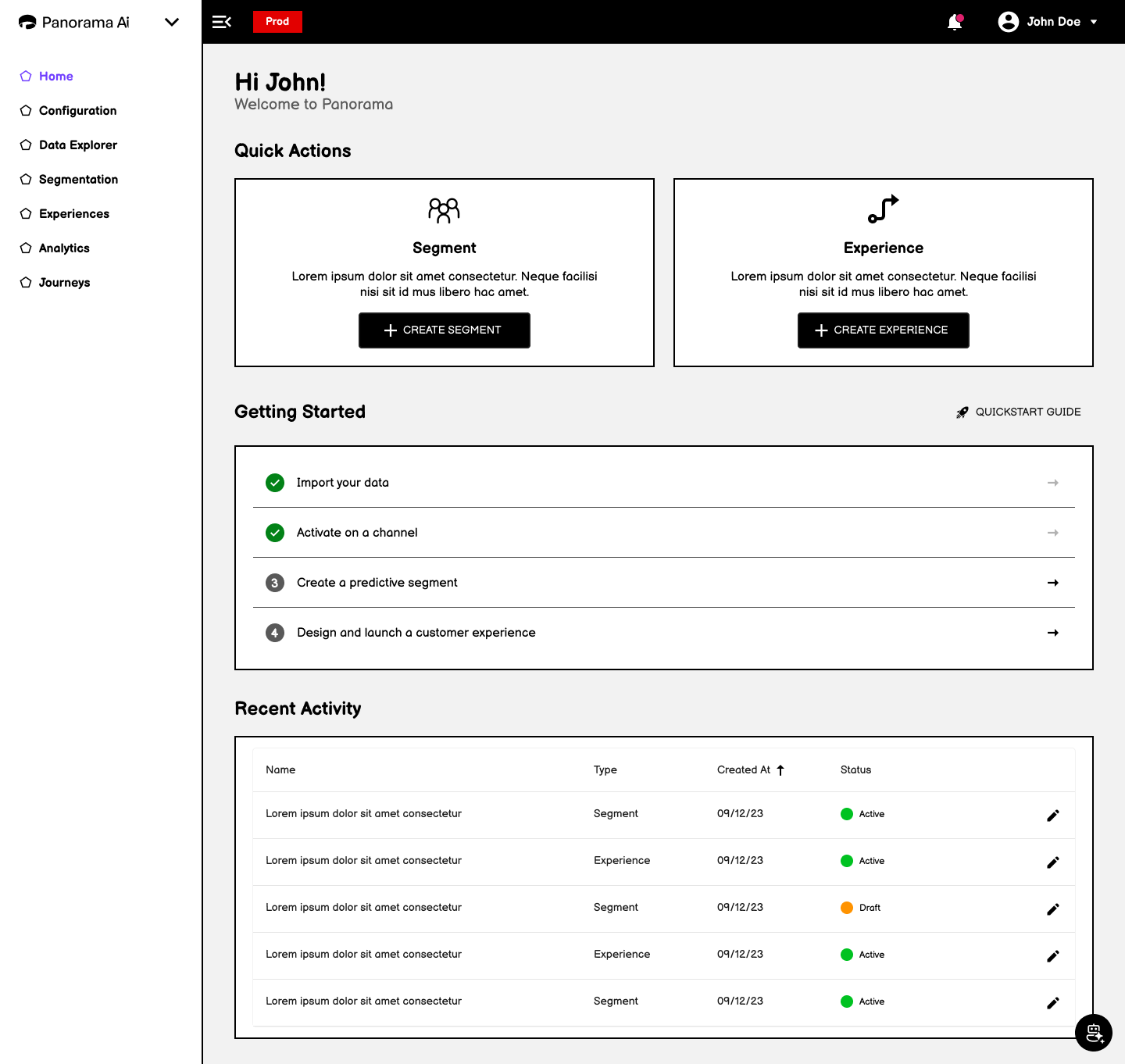
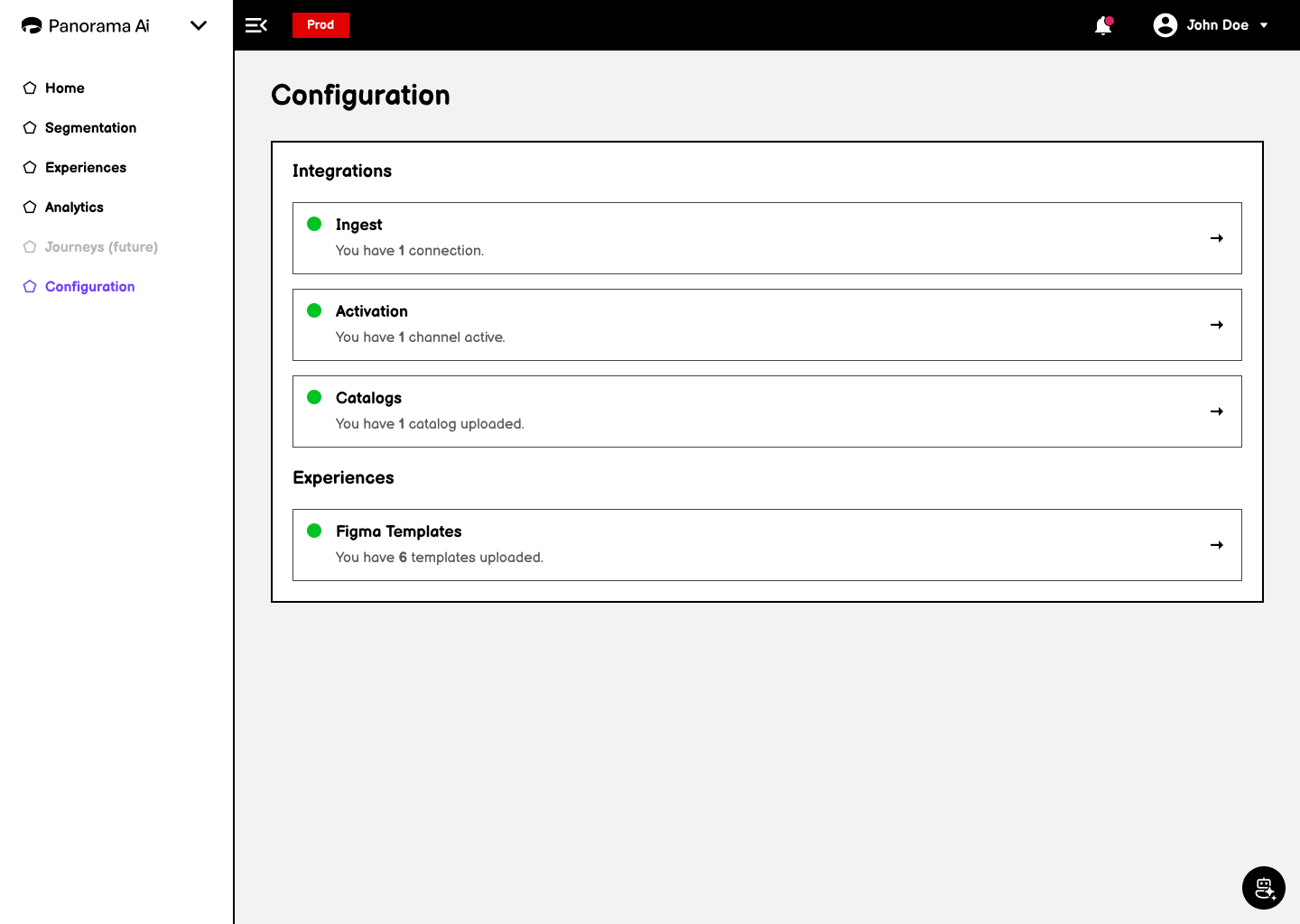
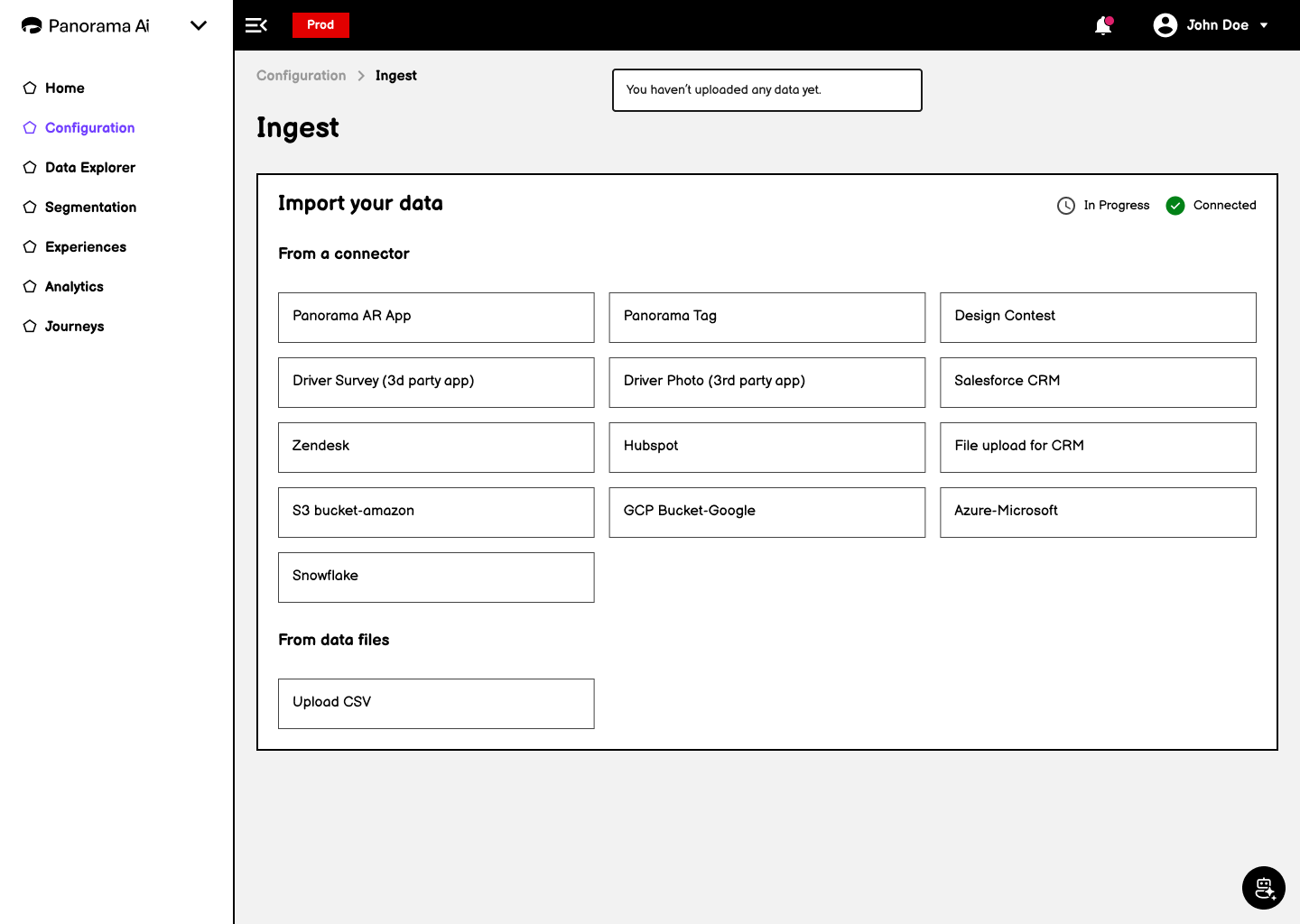
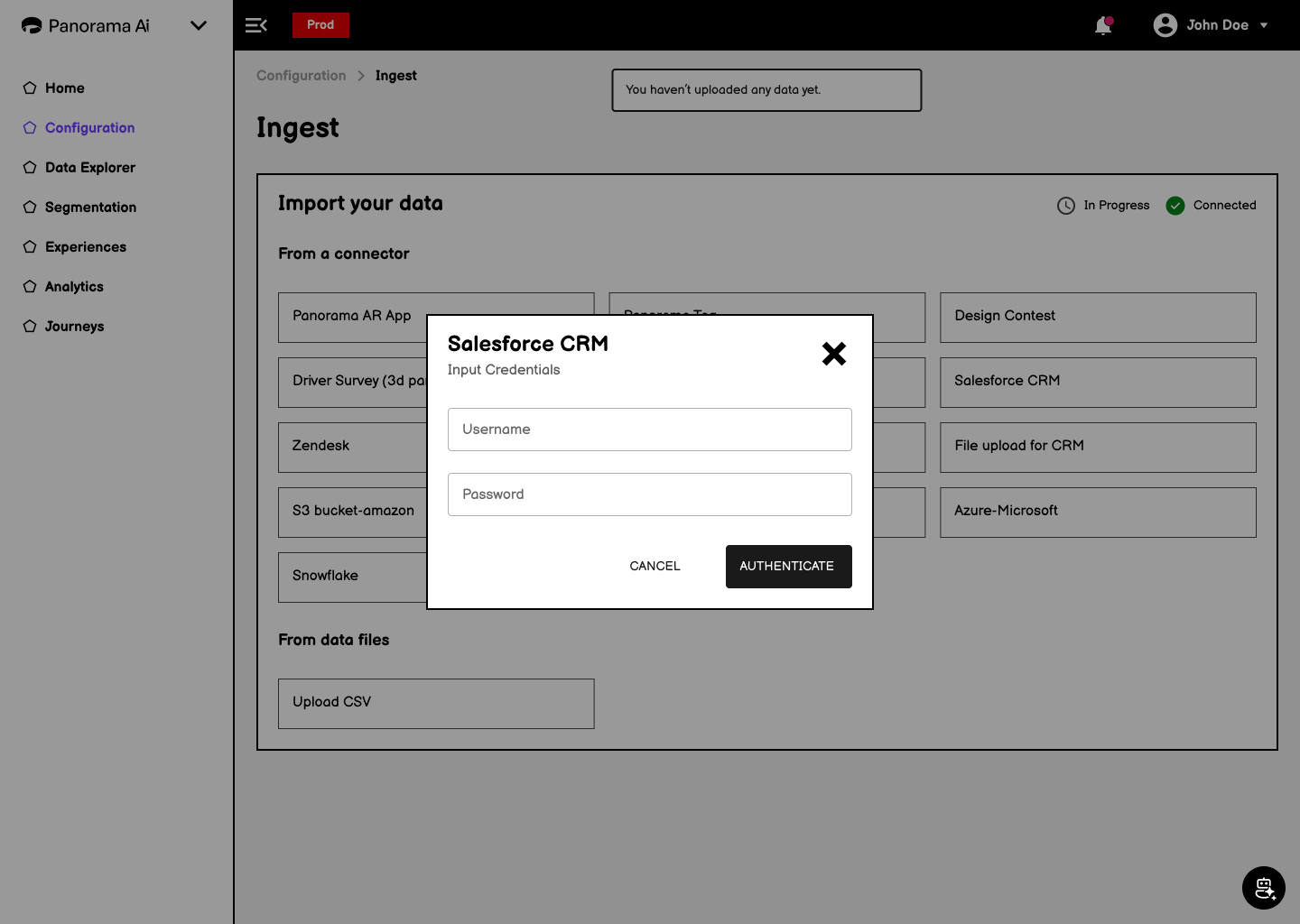
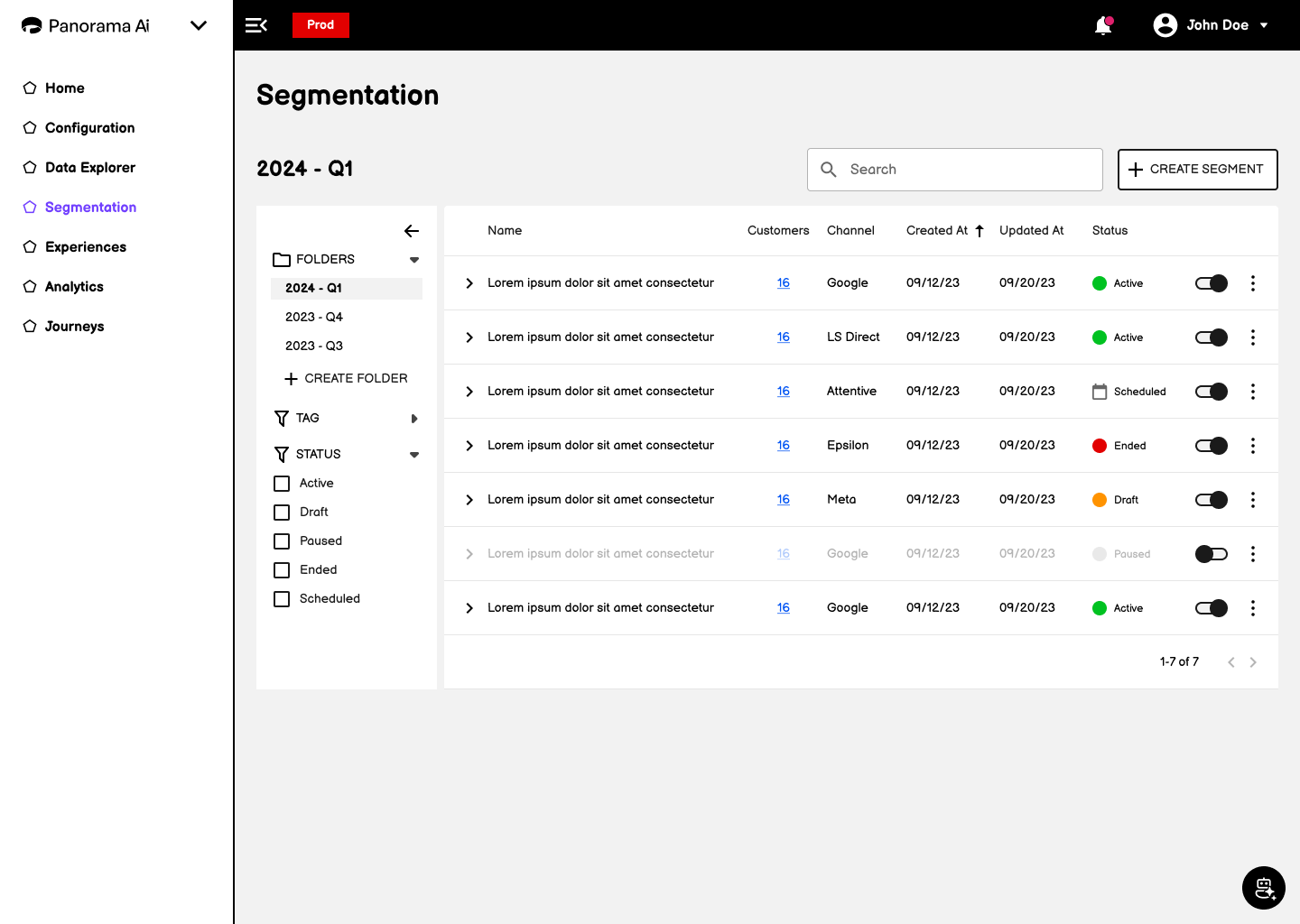
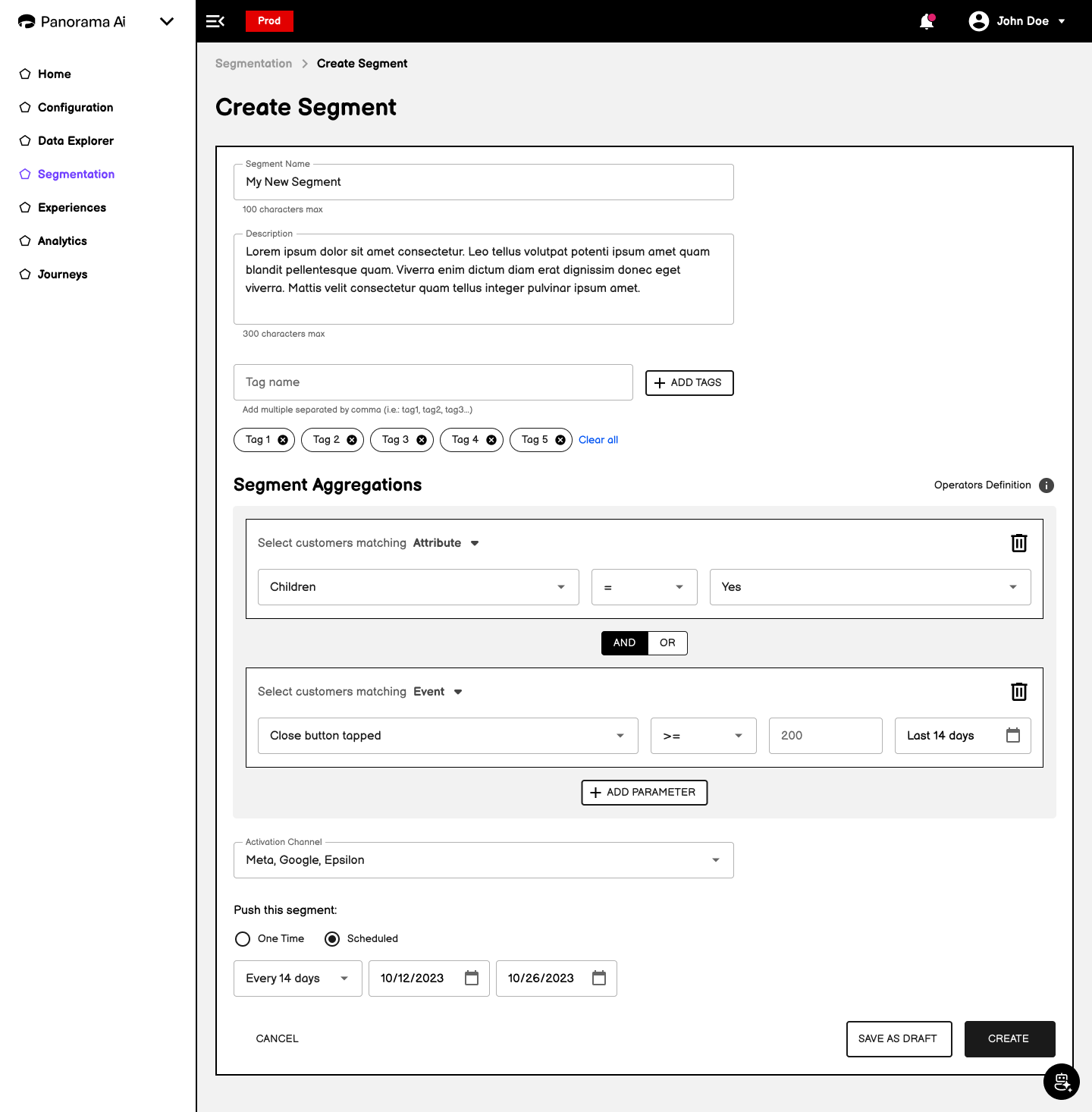
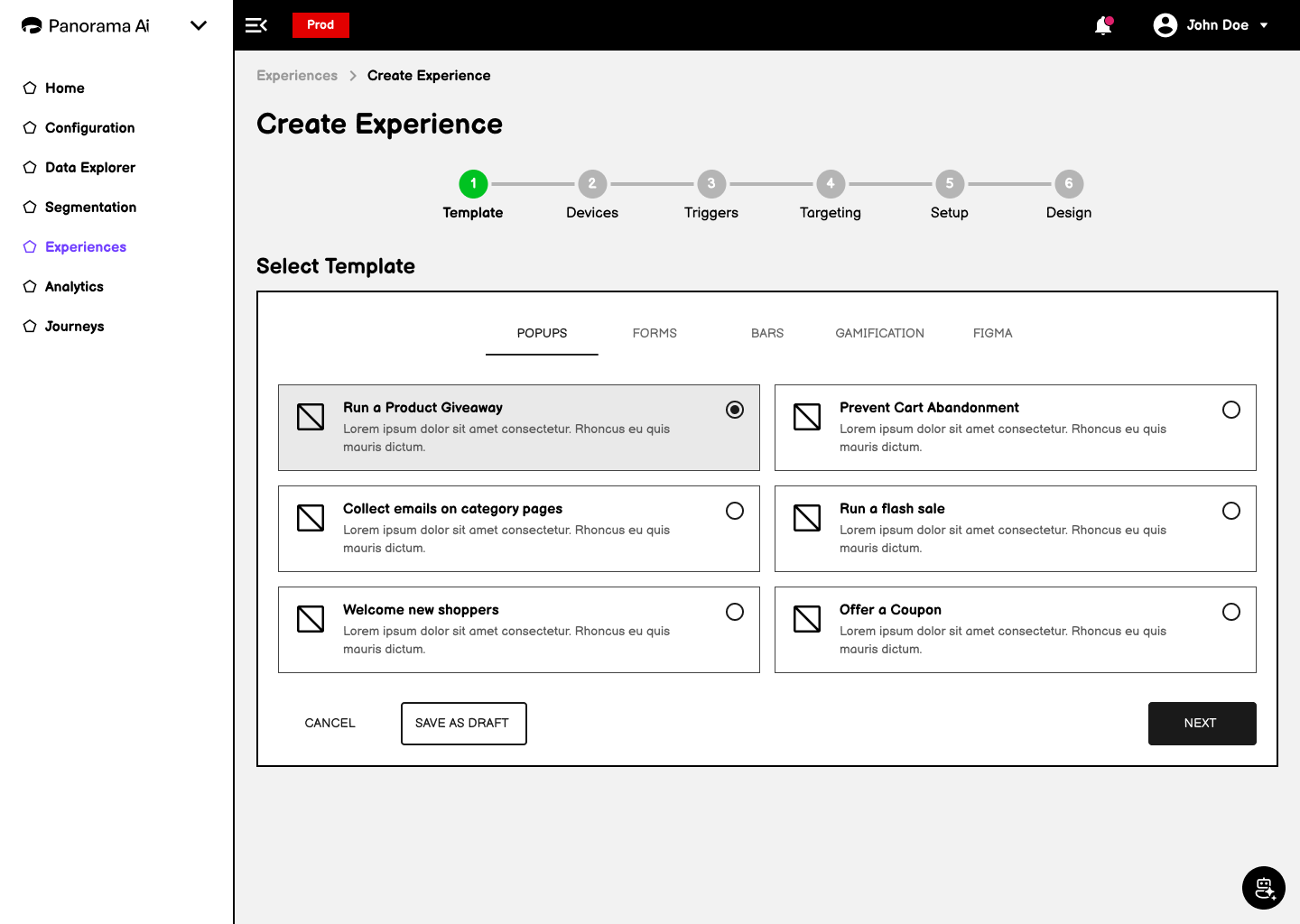
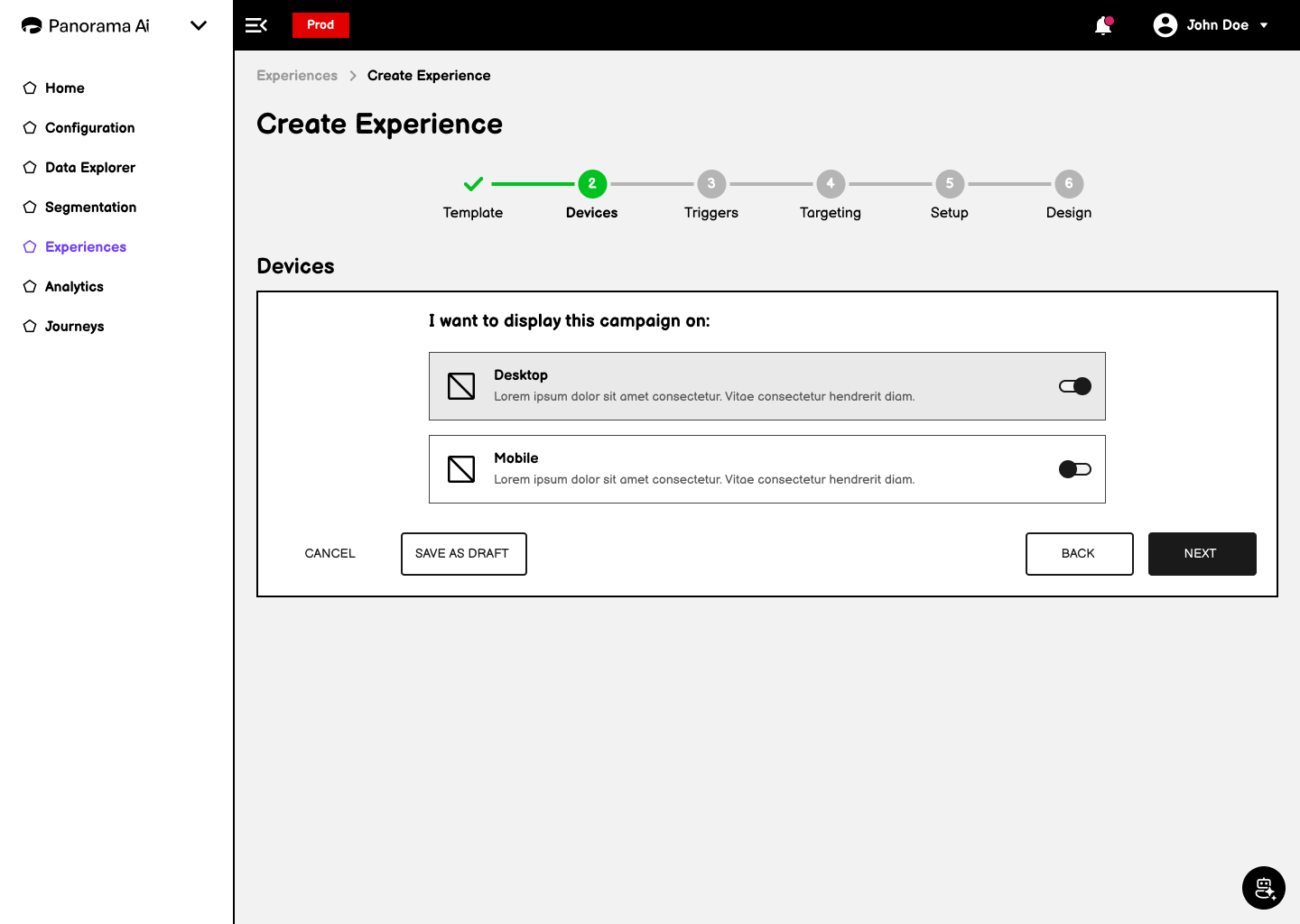
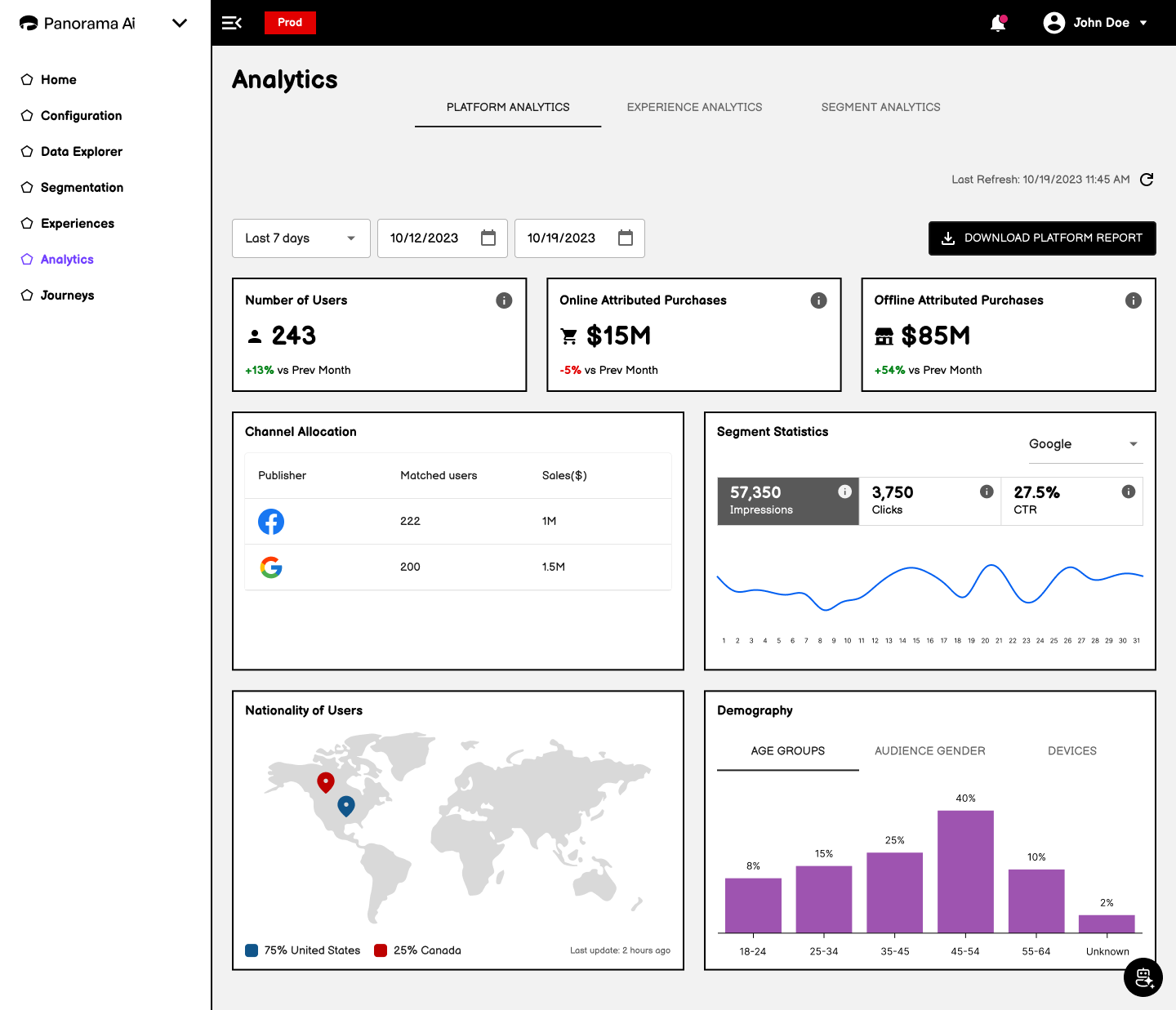
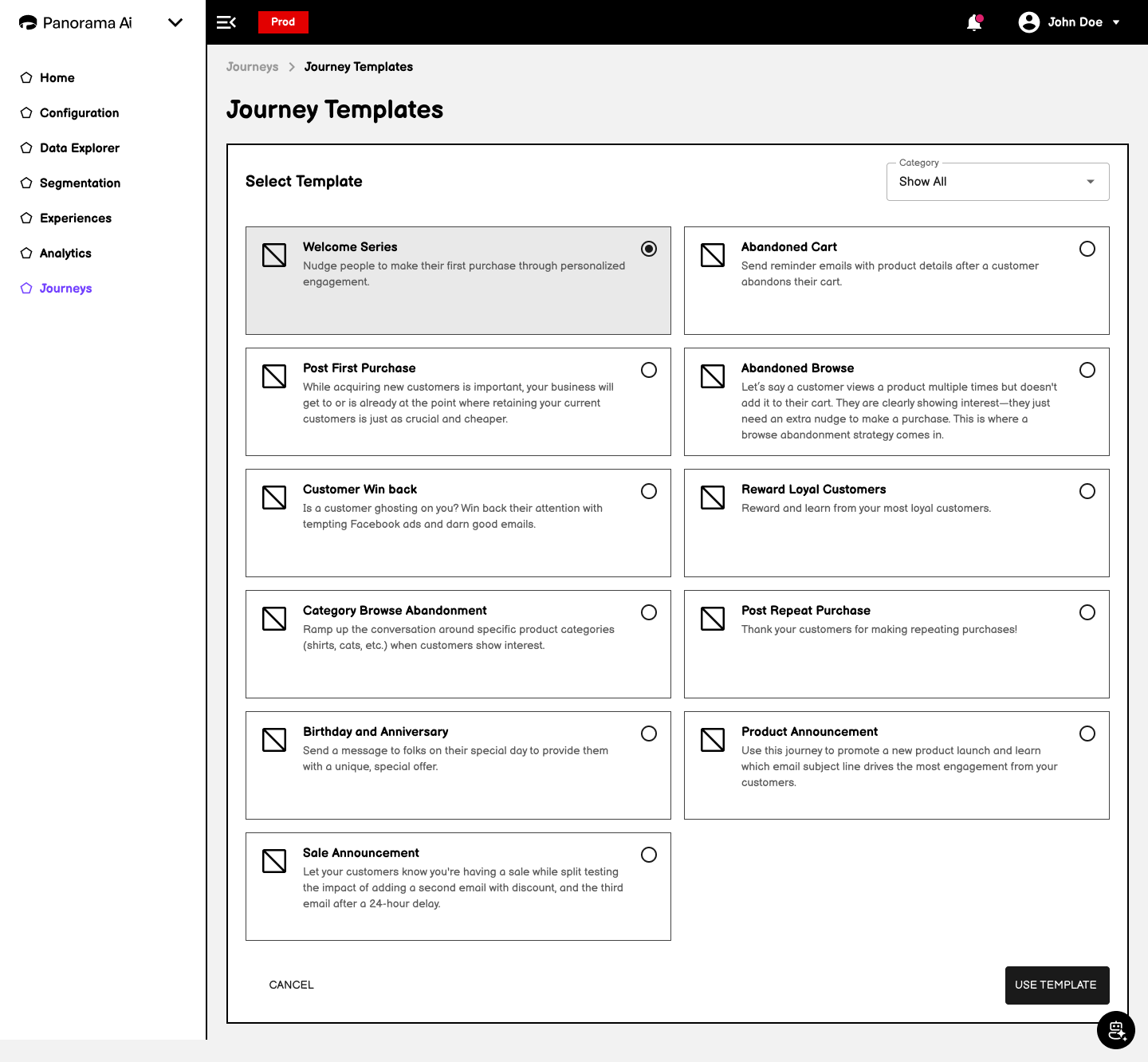
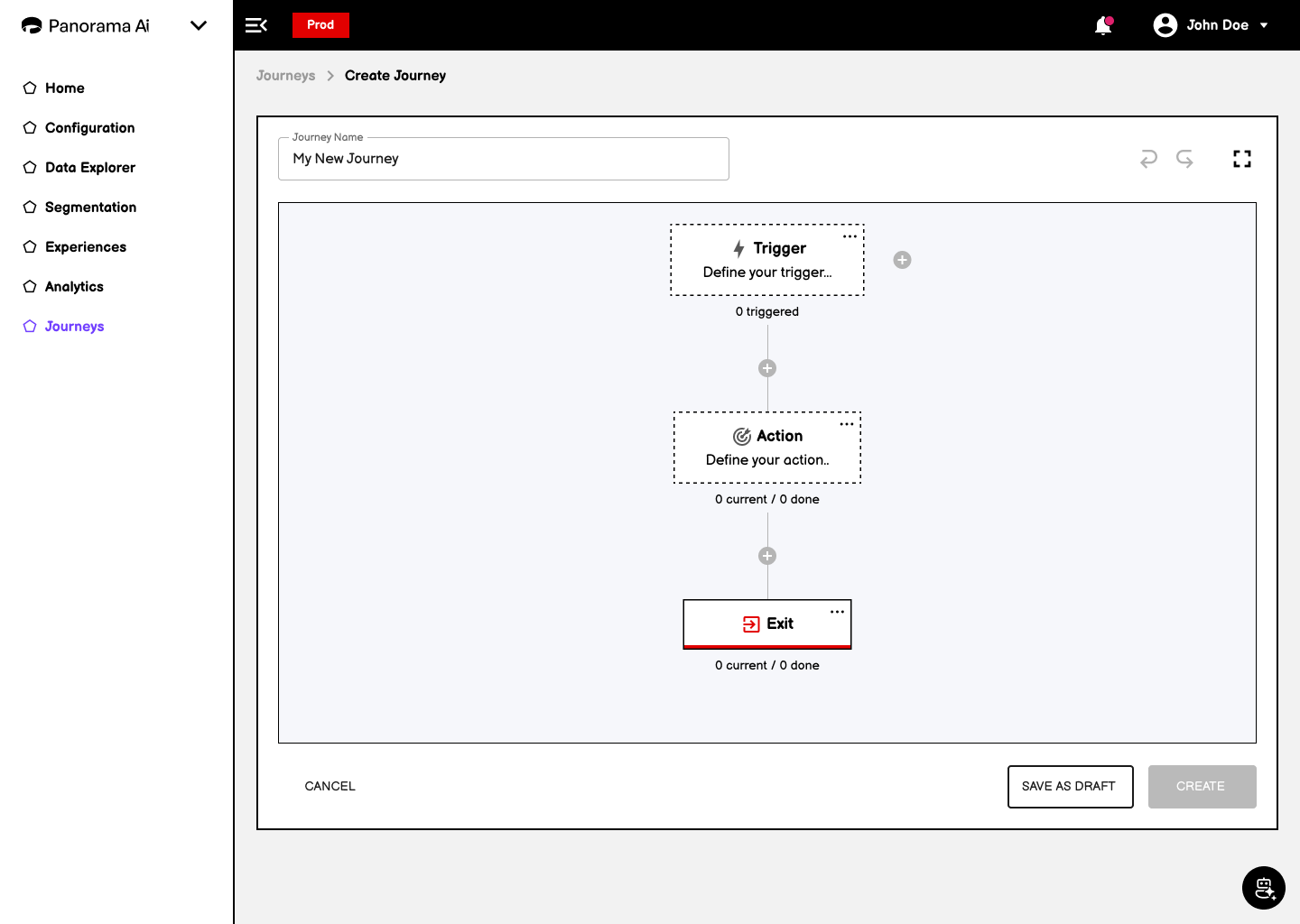
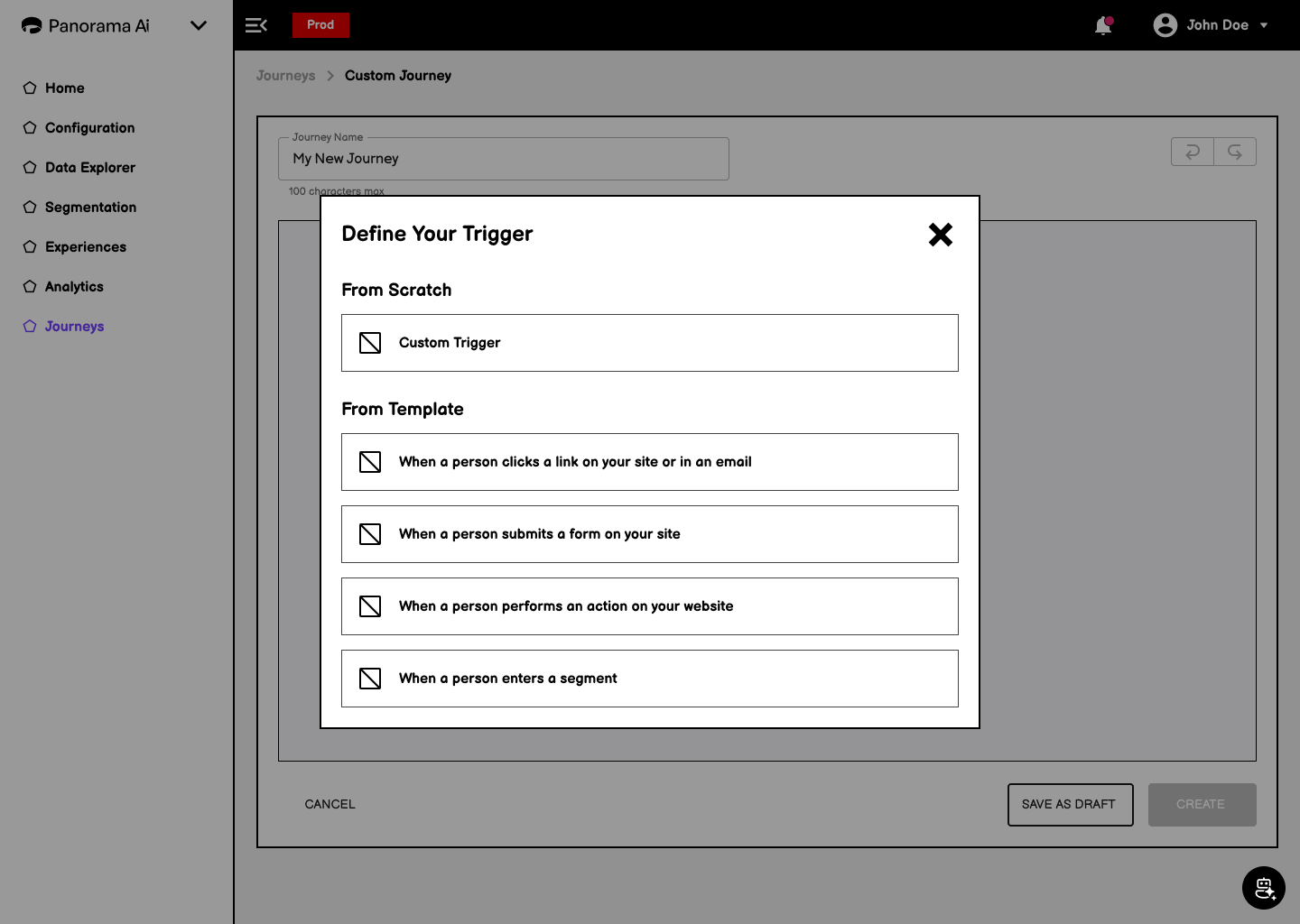
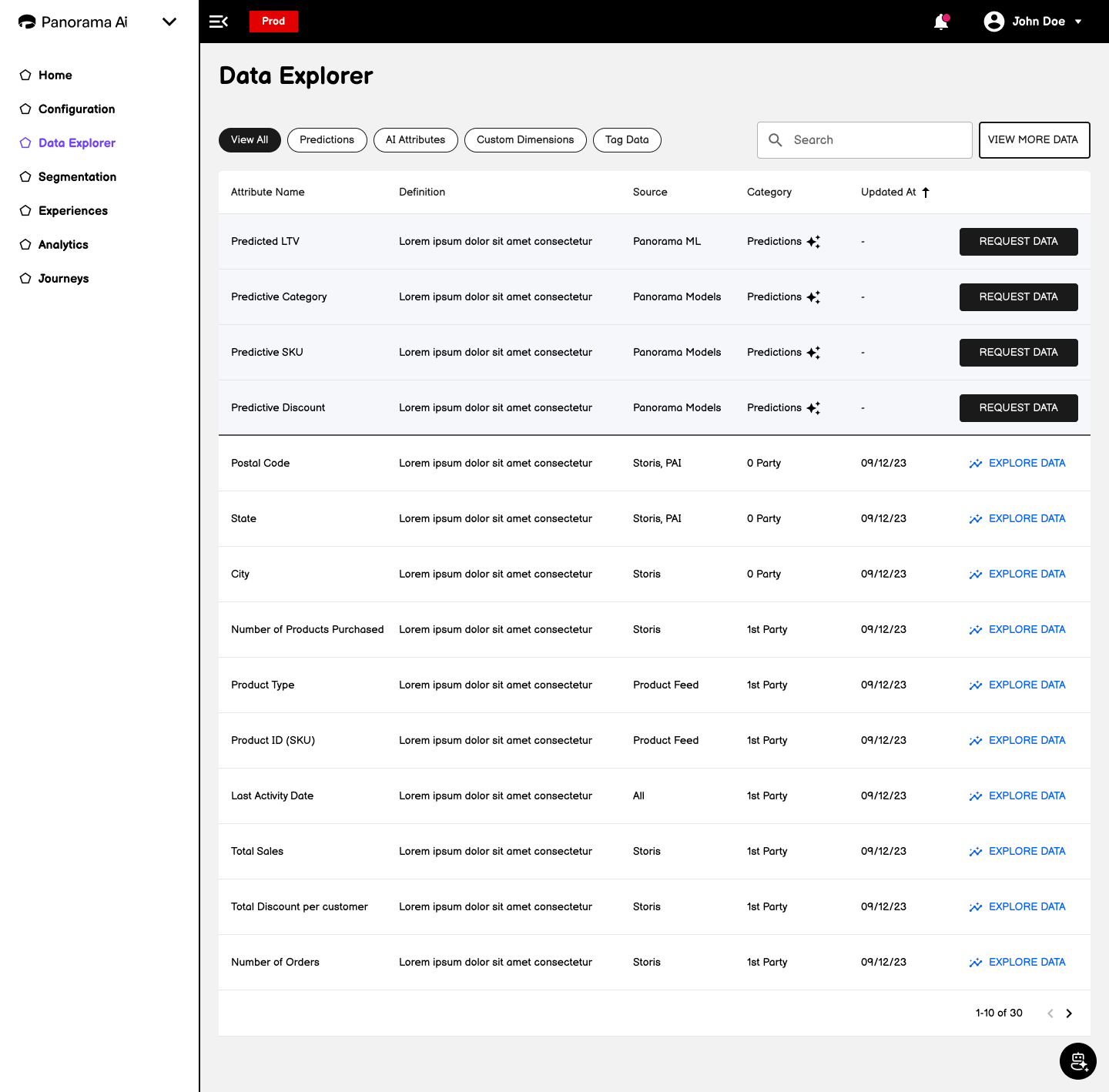
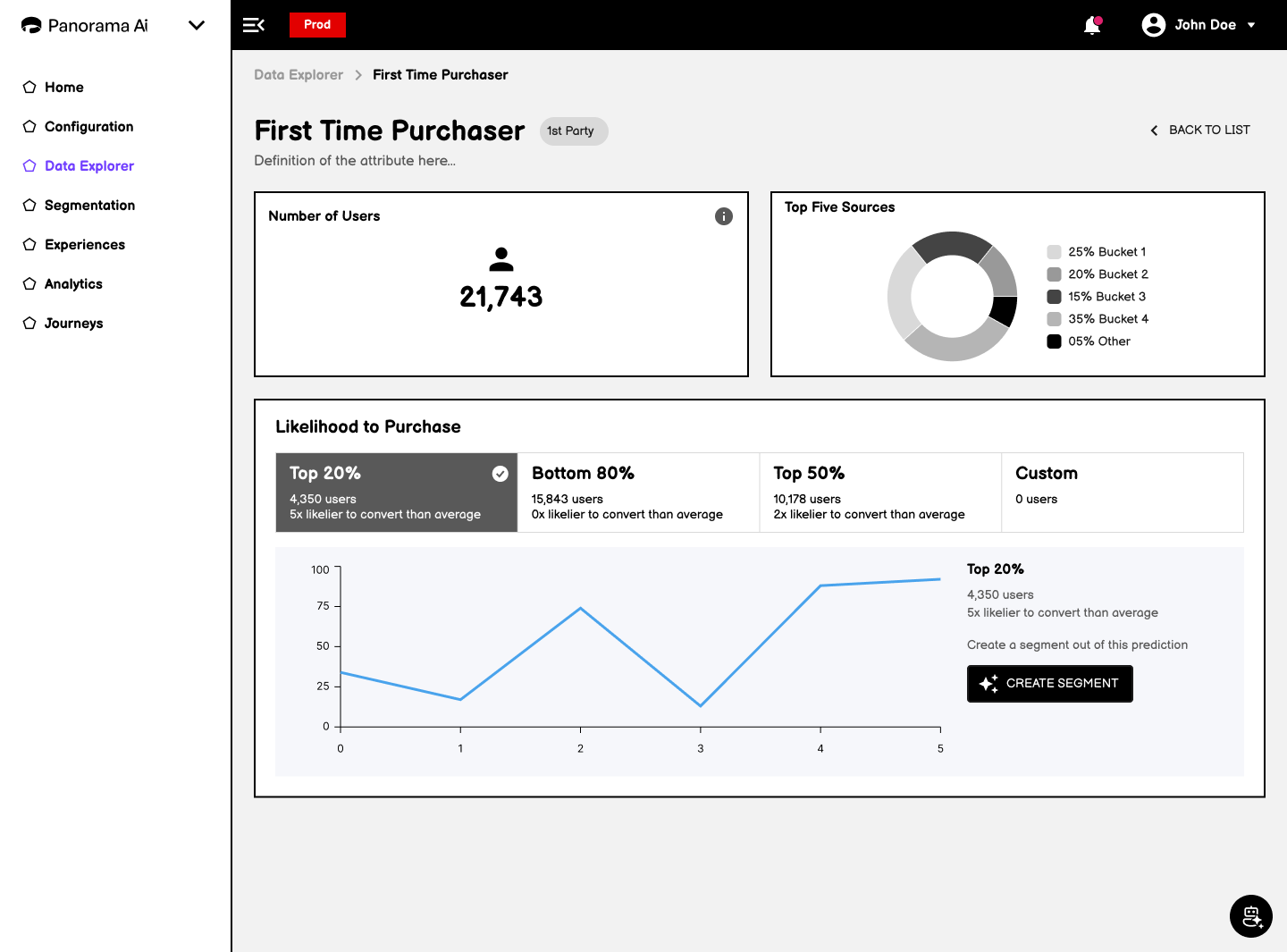
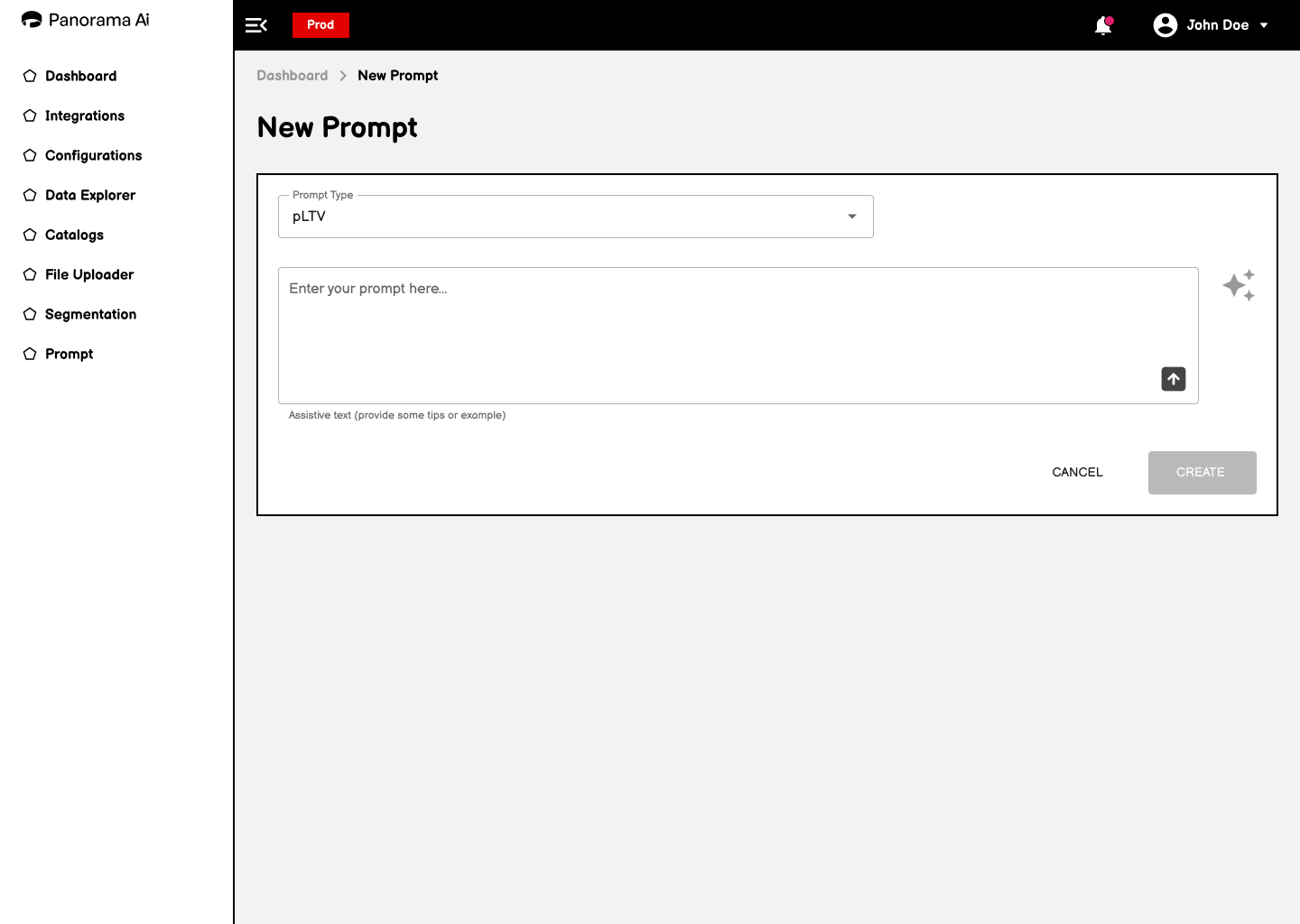
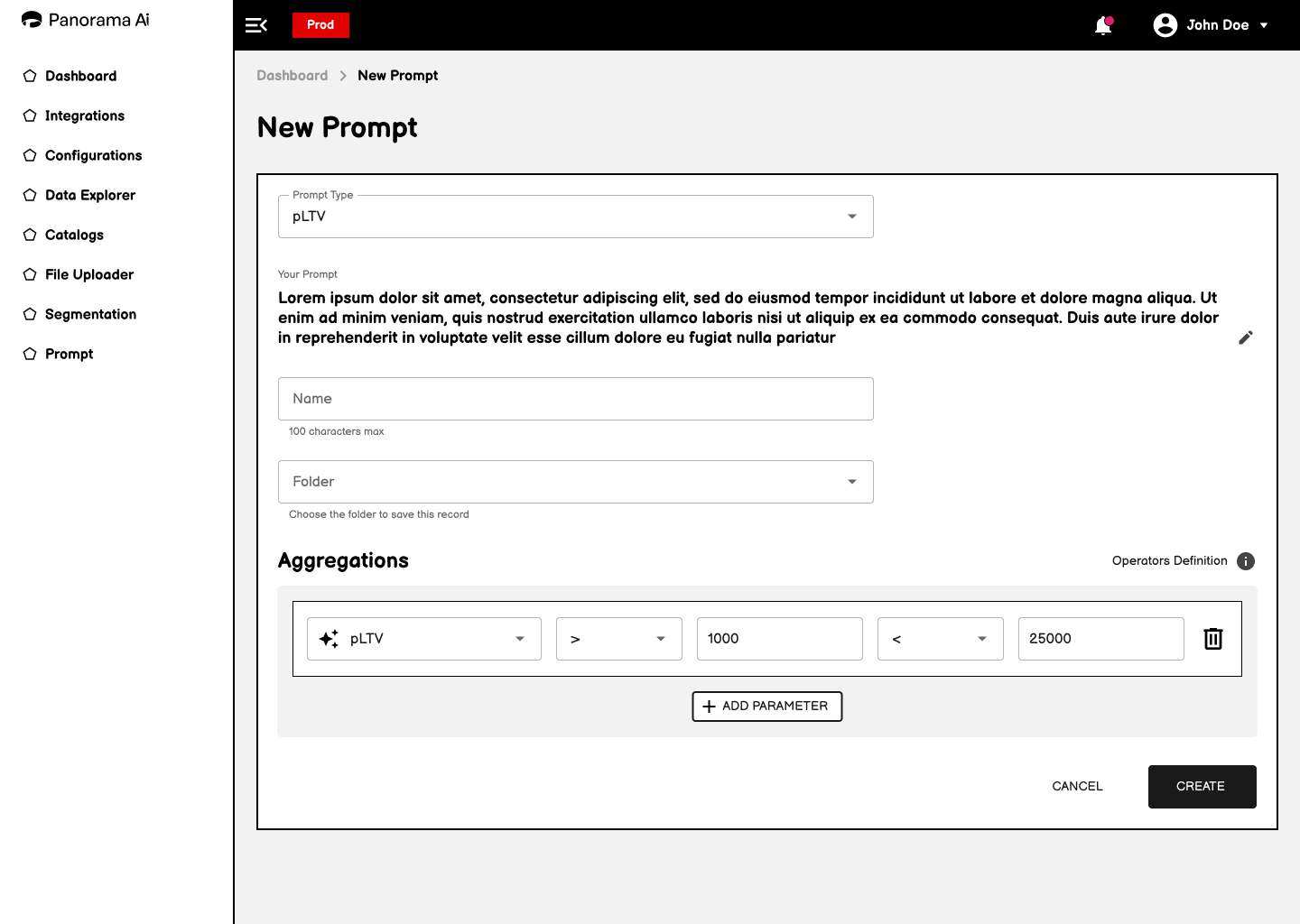
Wireframes
Explored multiple workflow directions early, keeping iteration fast before committing to visual design.
Mockups
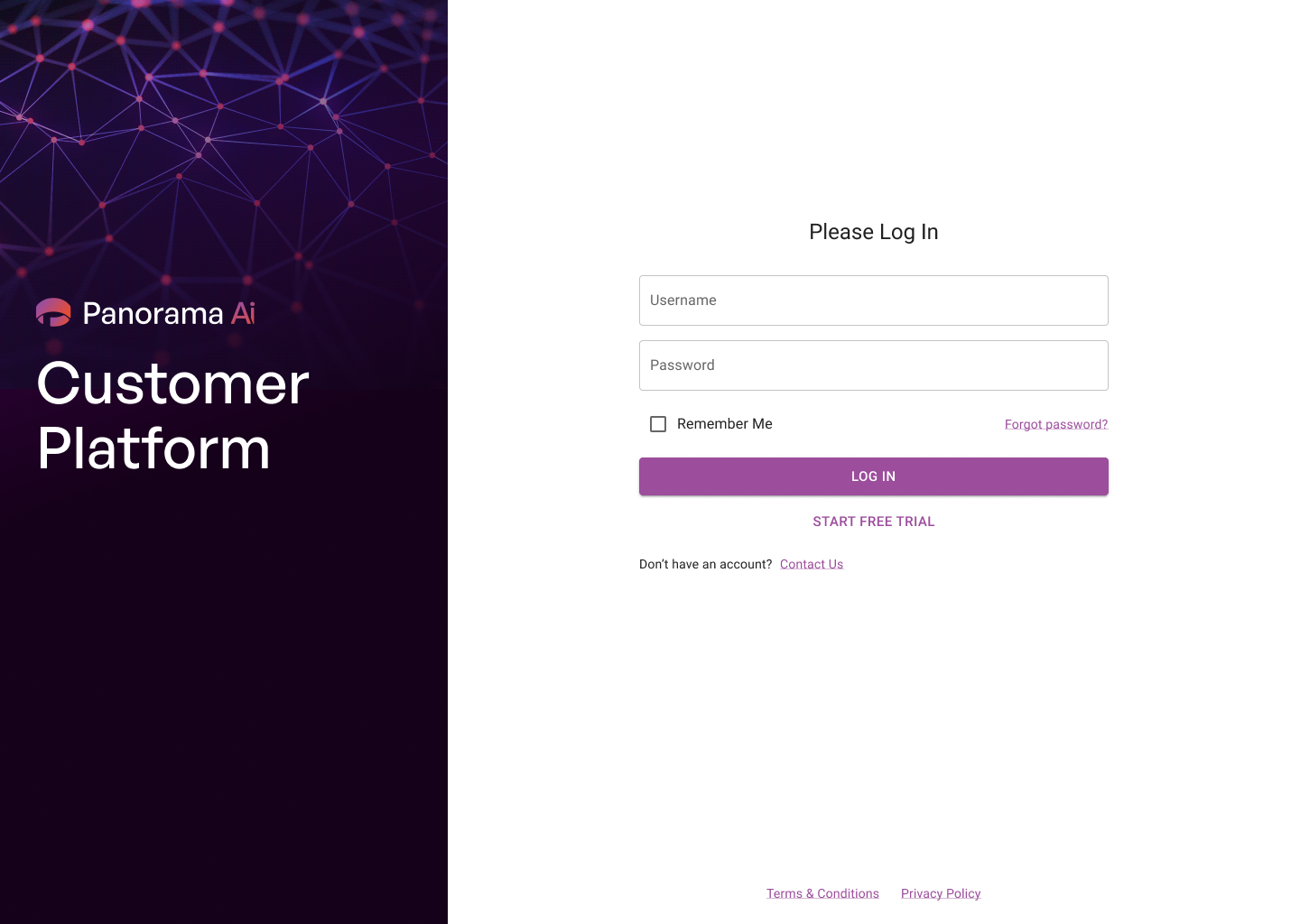
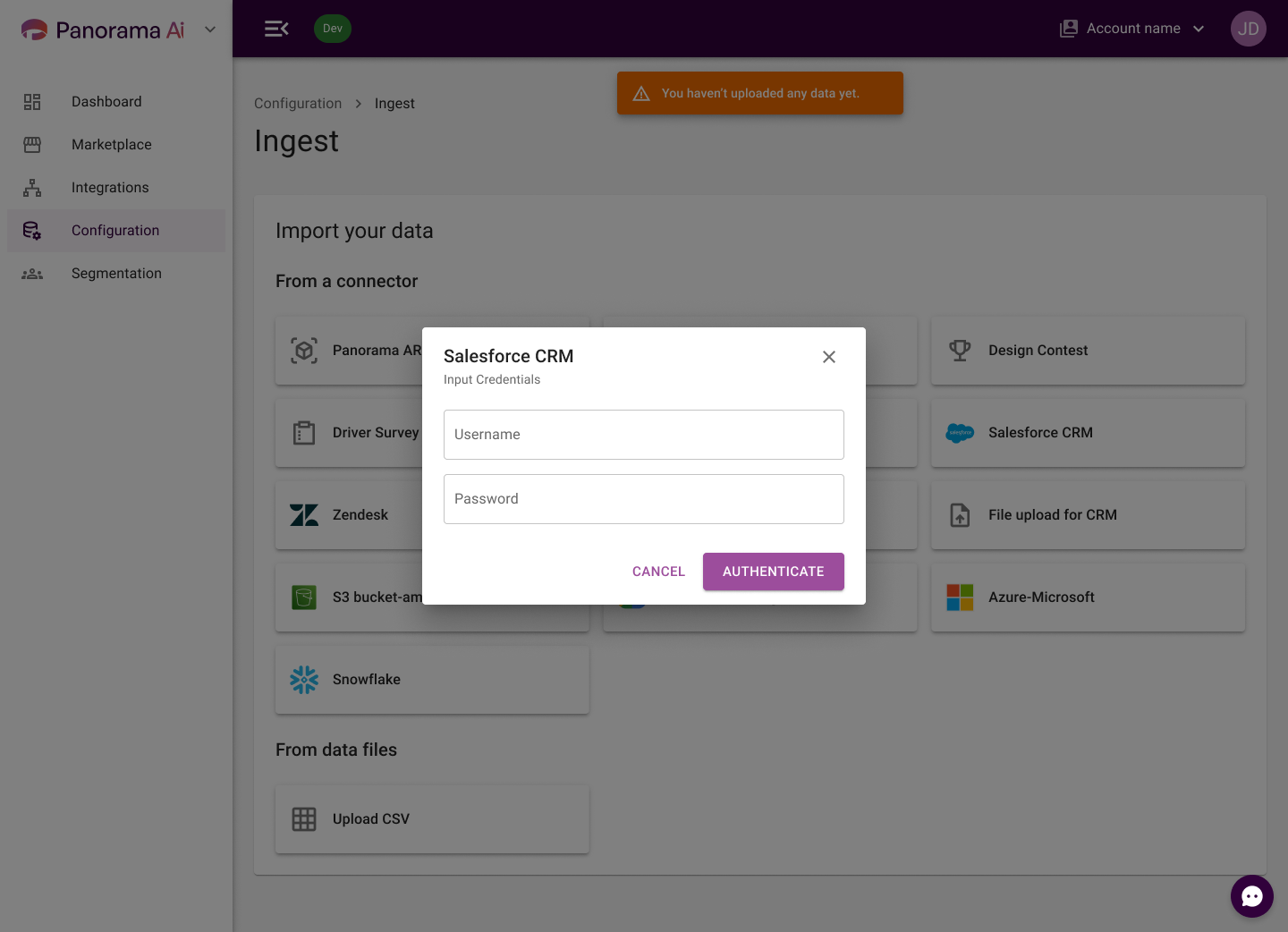
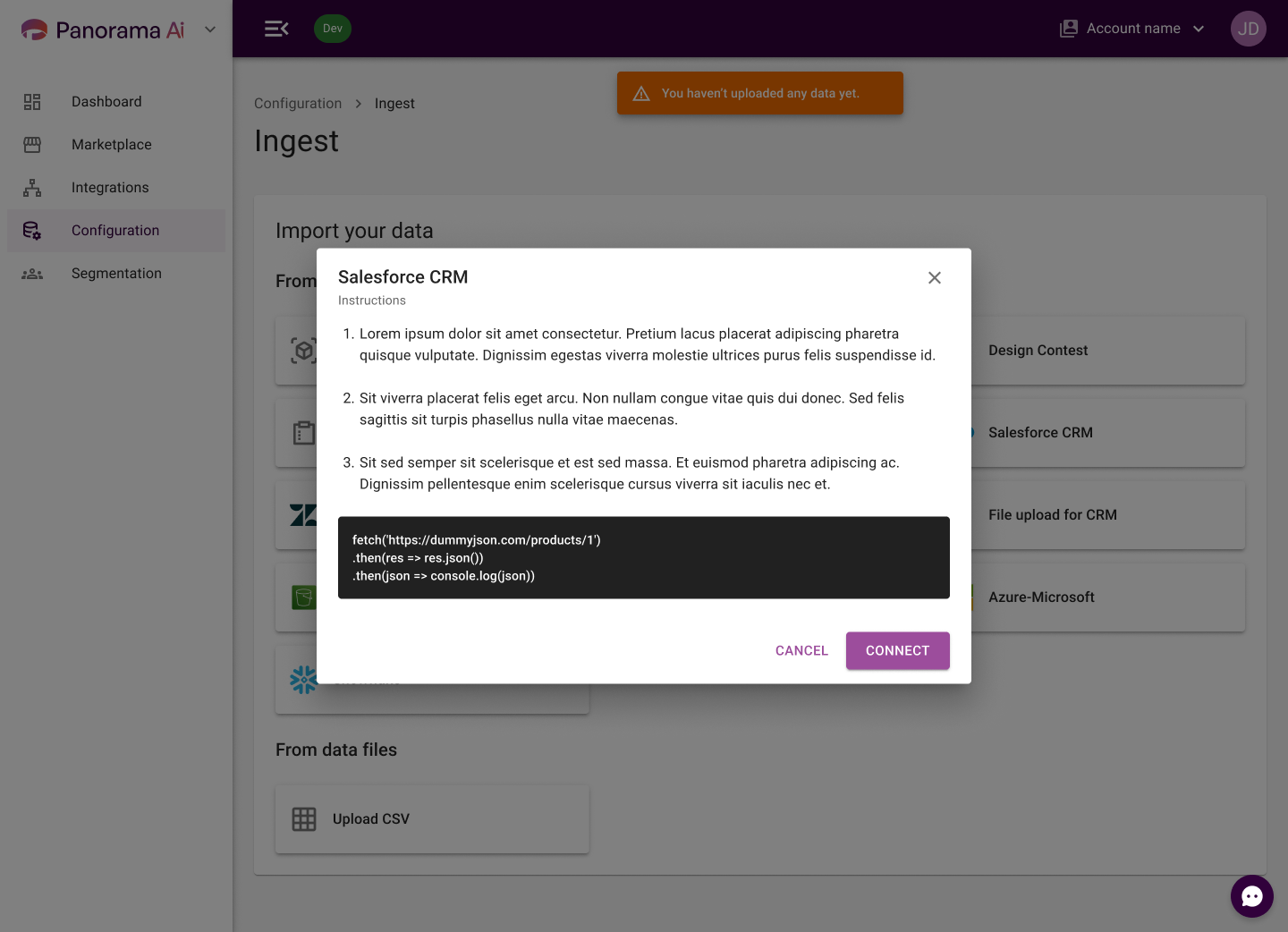
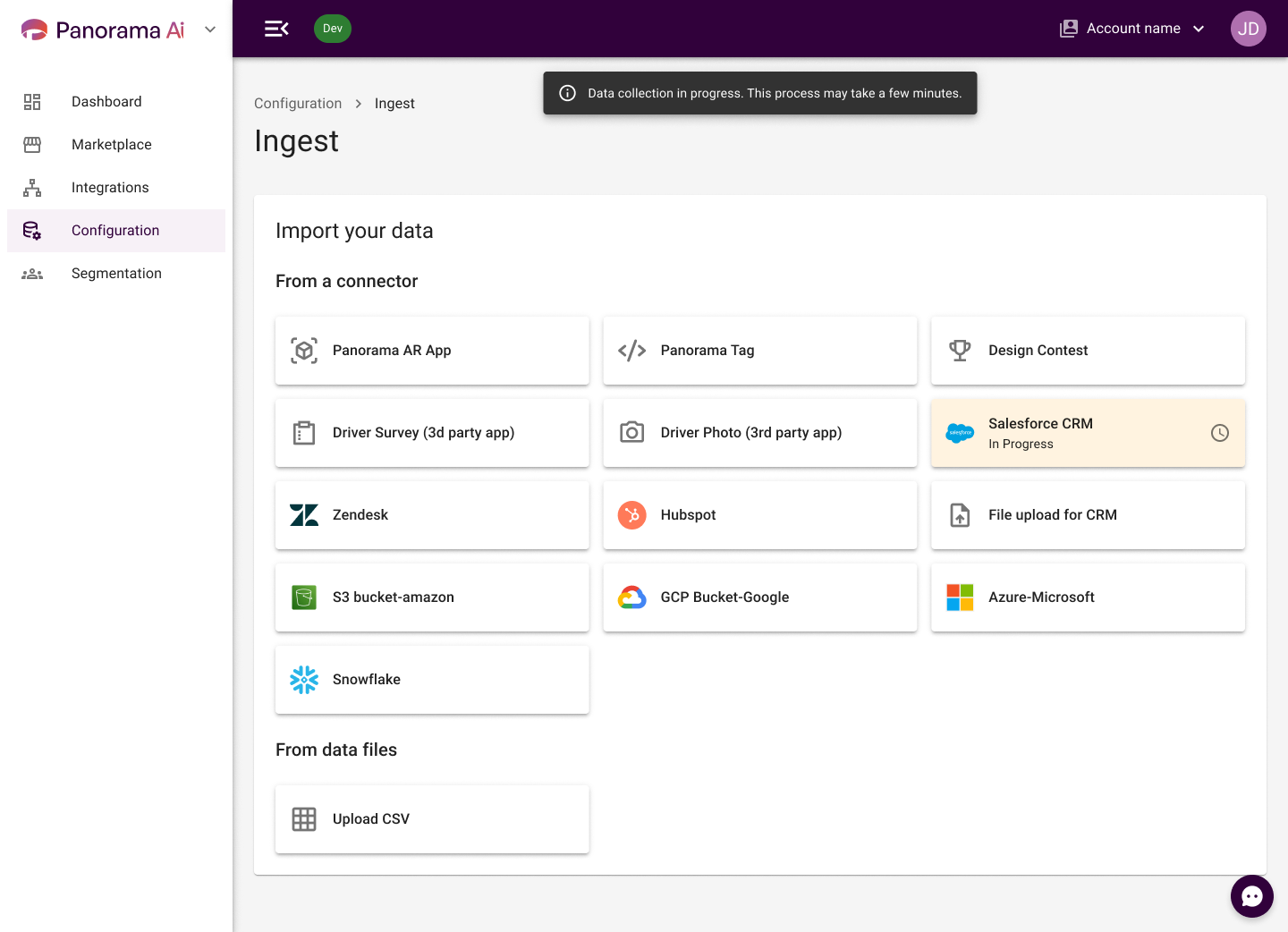
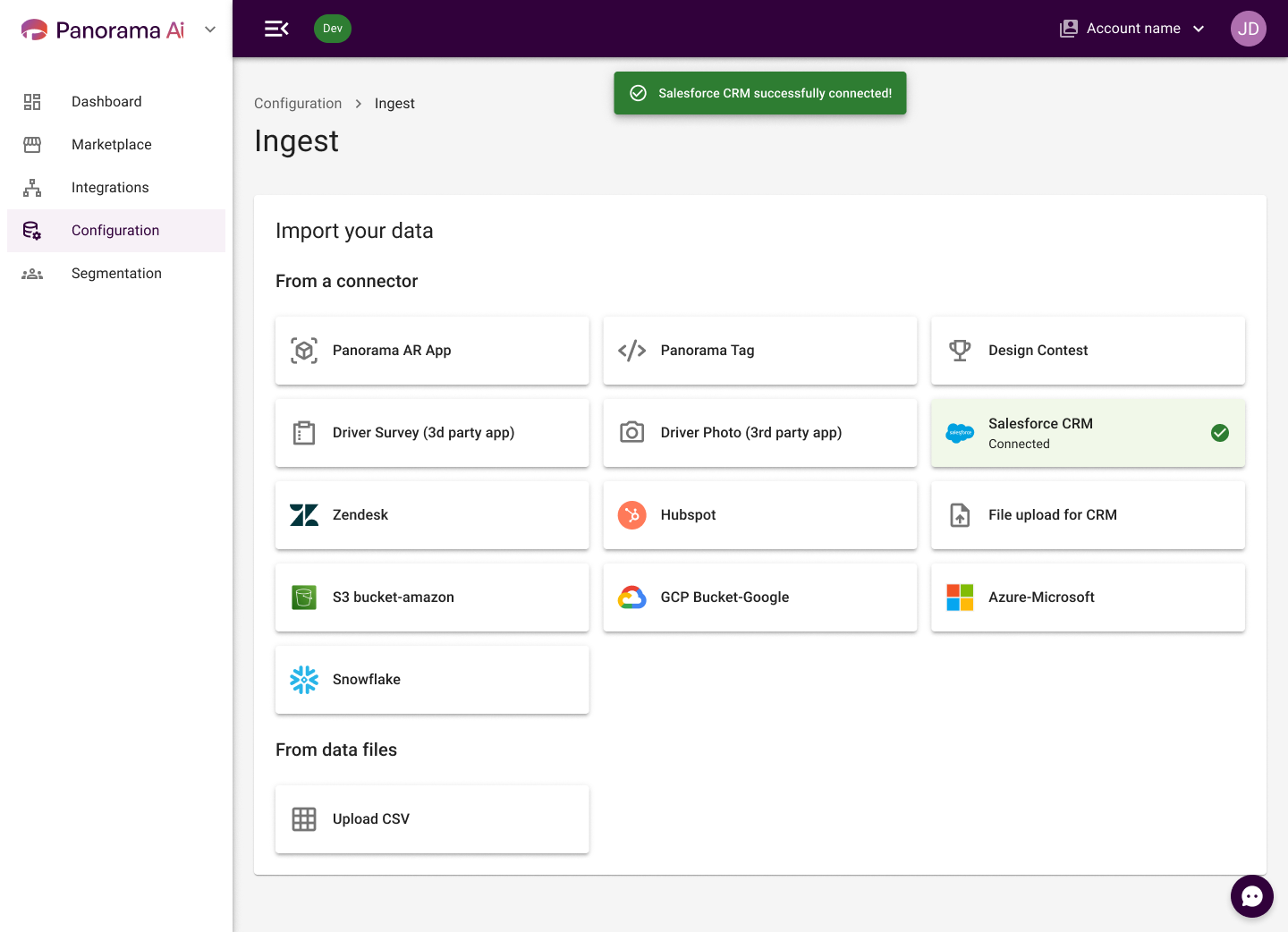
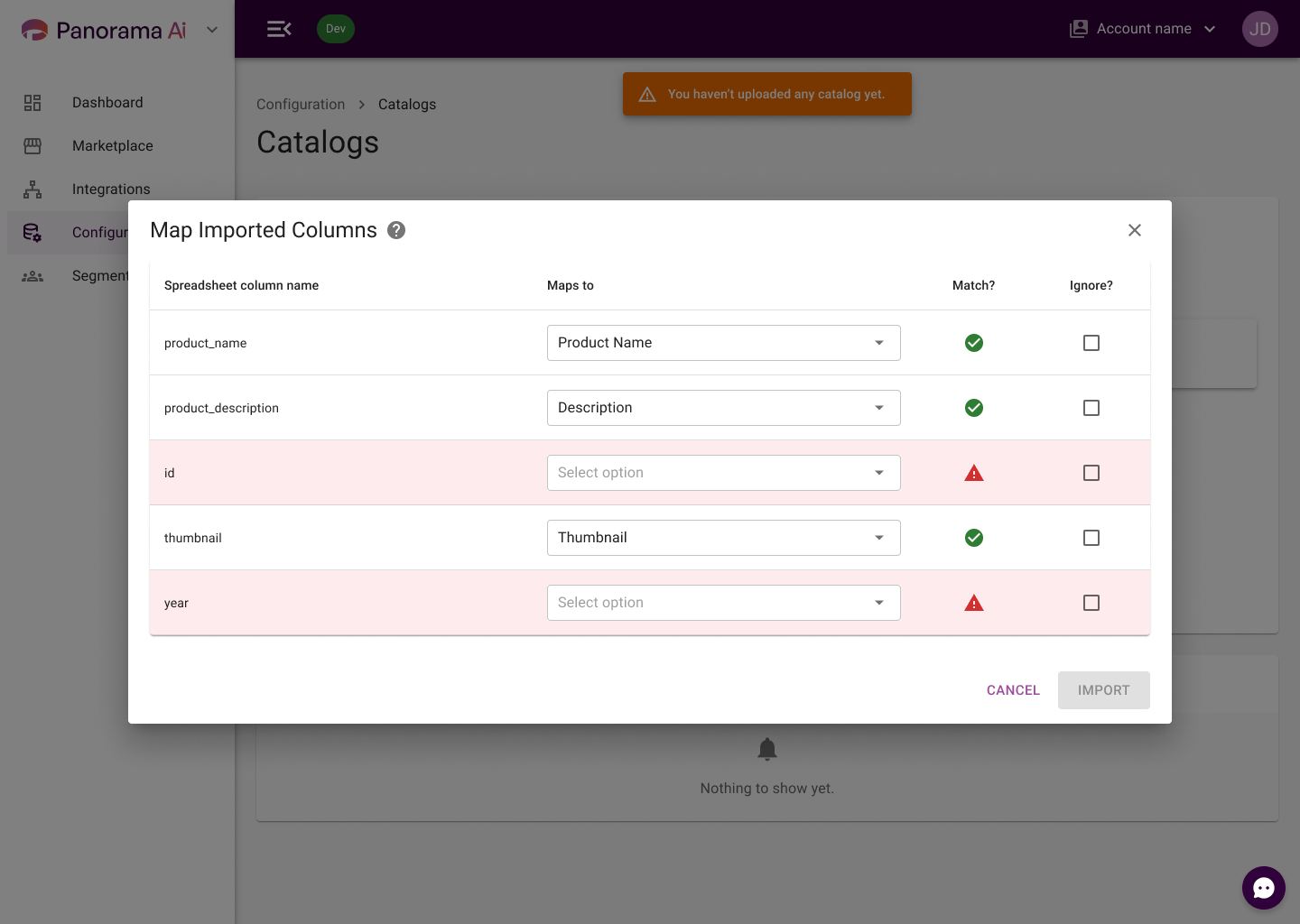
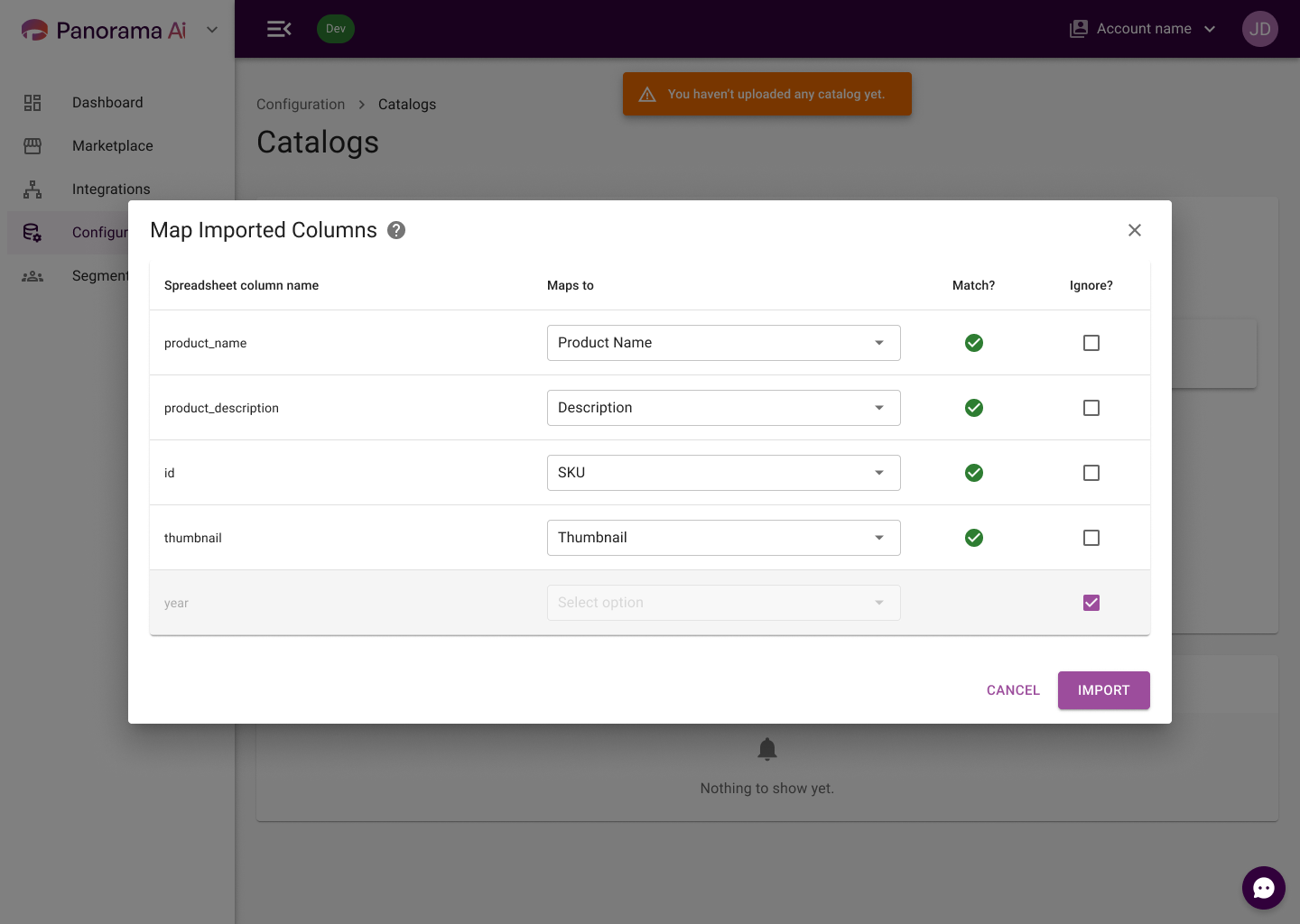
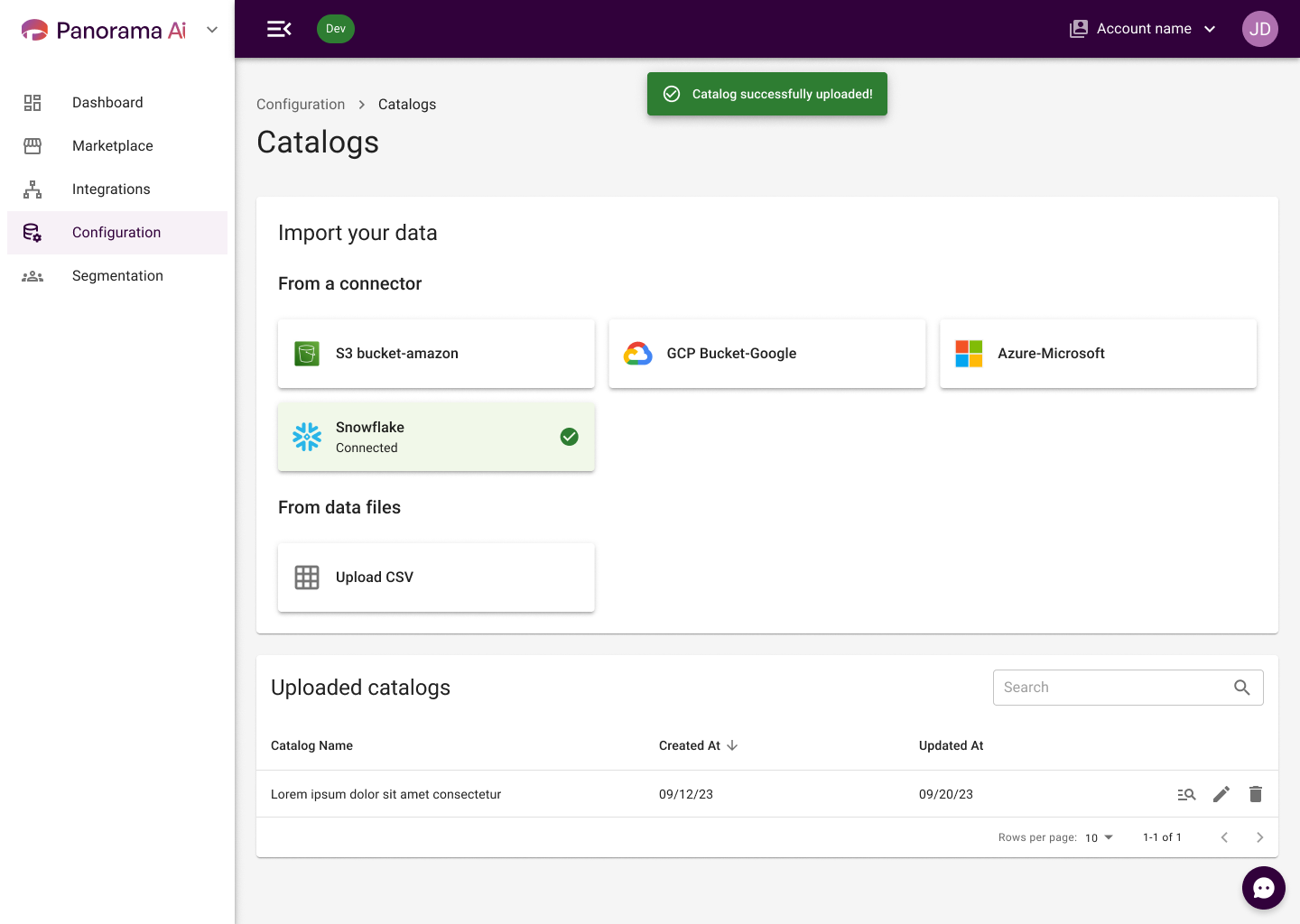
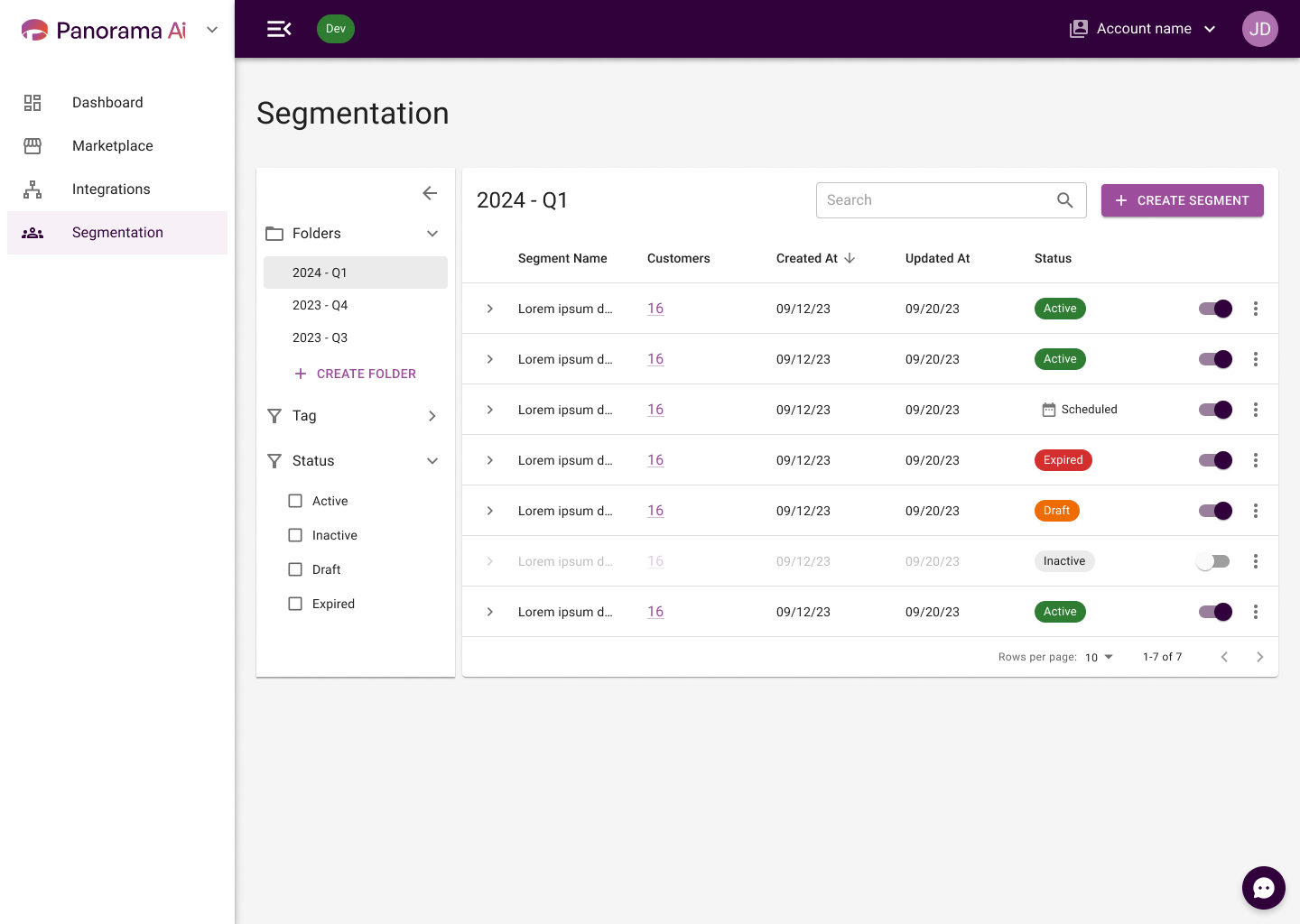
Final UI designs applying the product design system, ready for developer handoff.
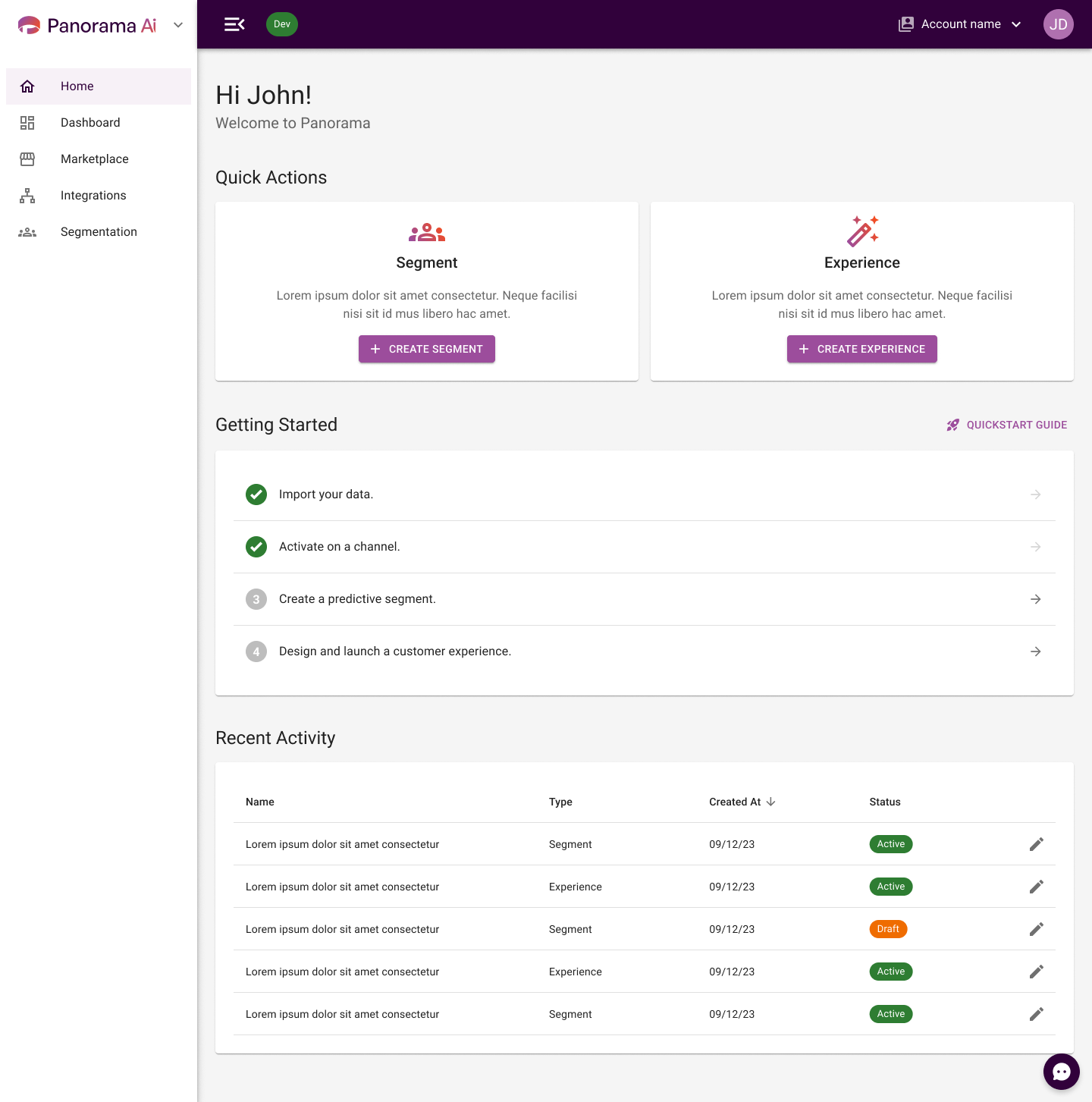
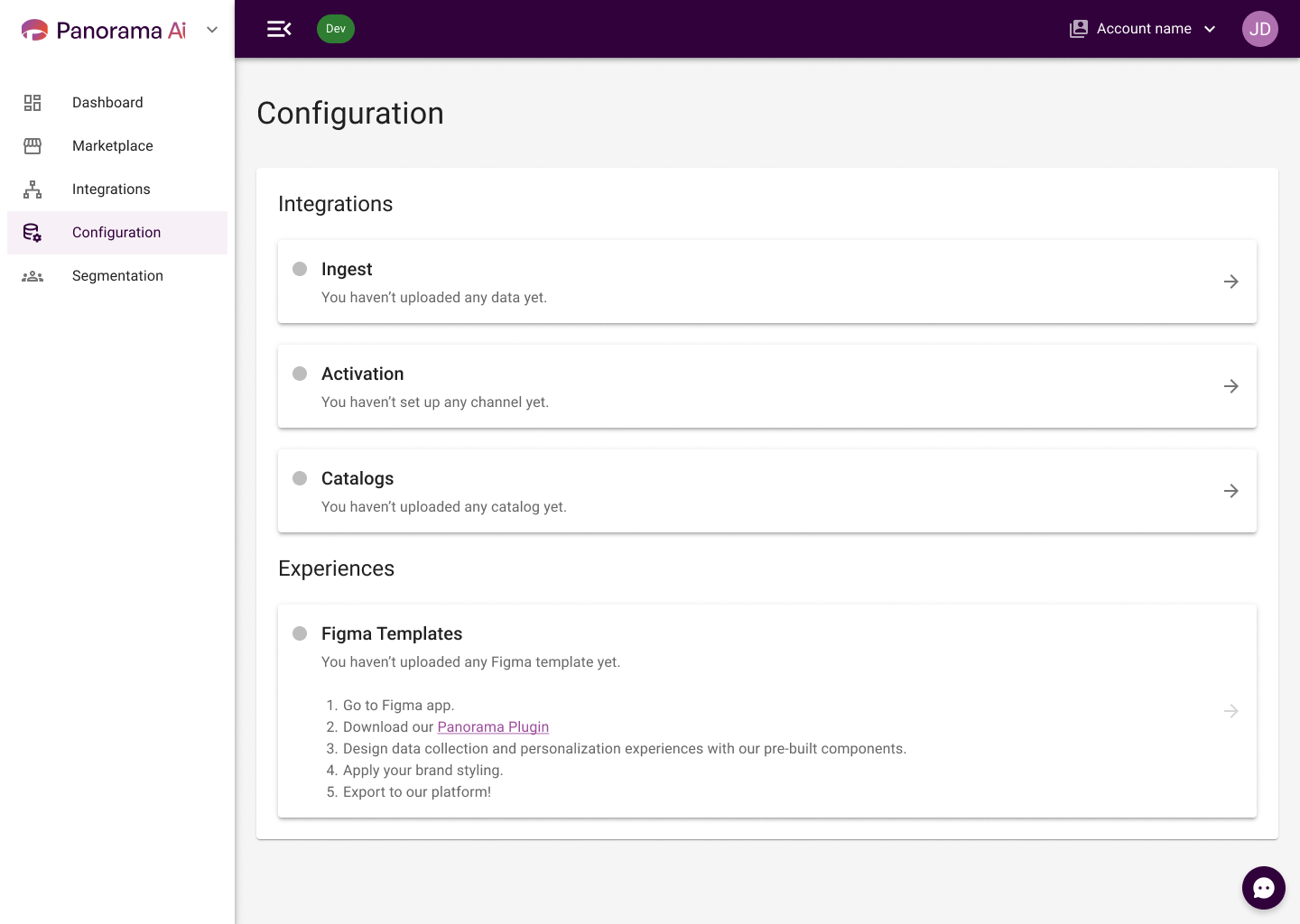
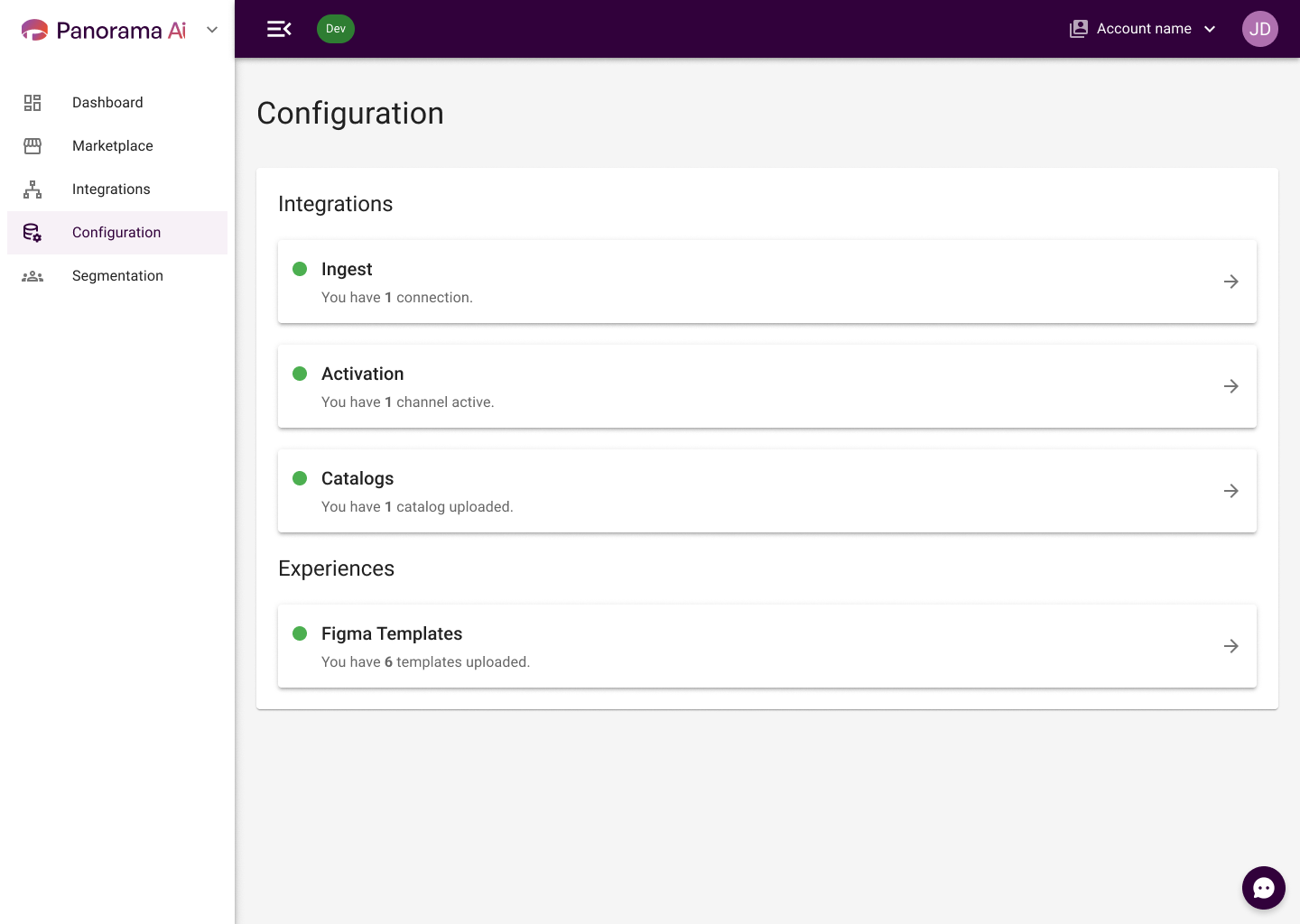
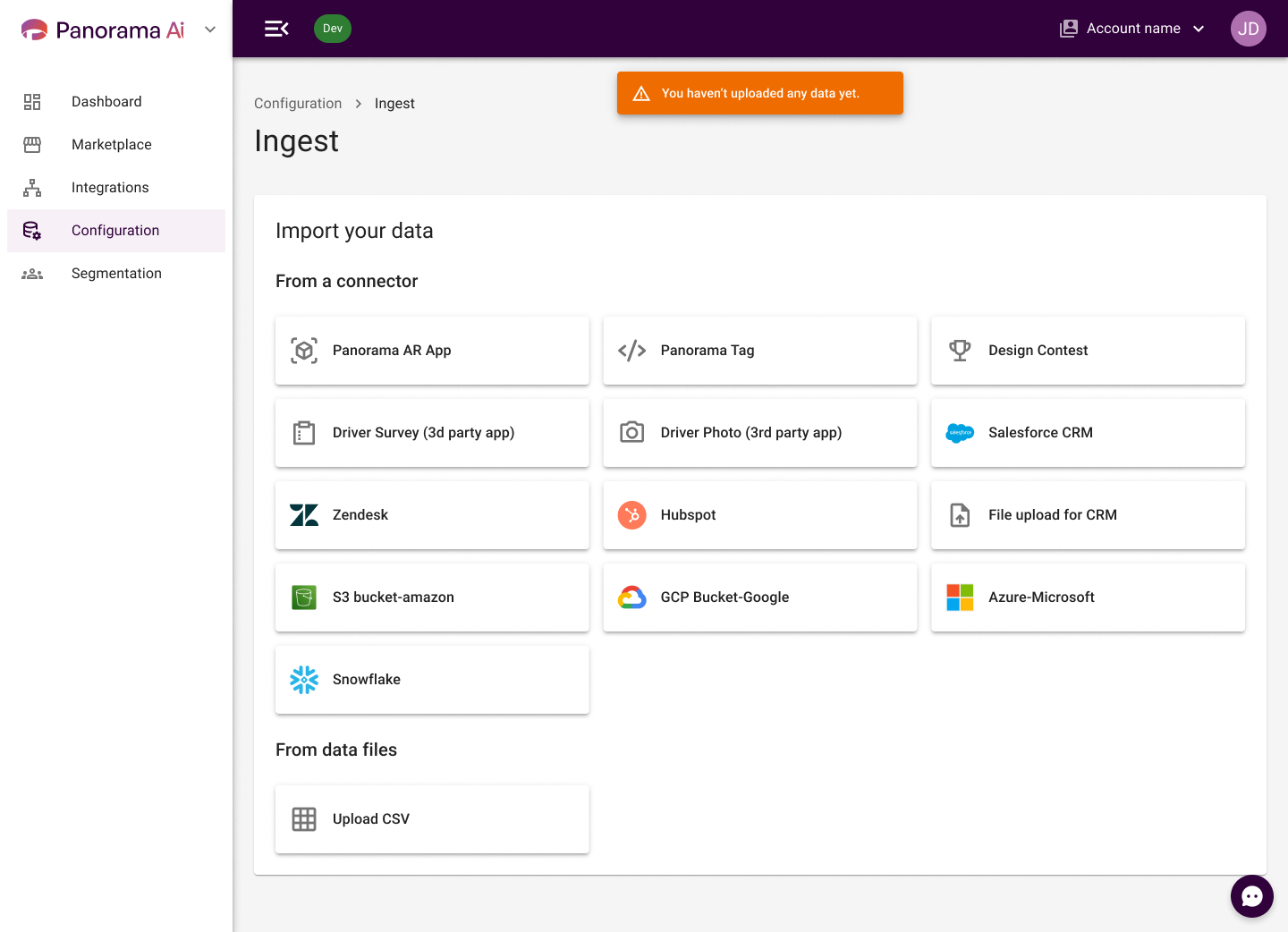
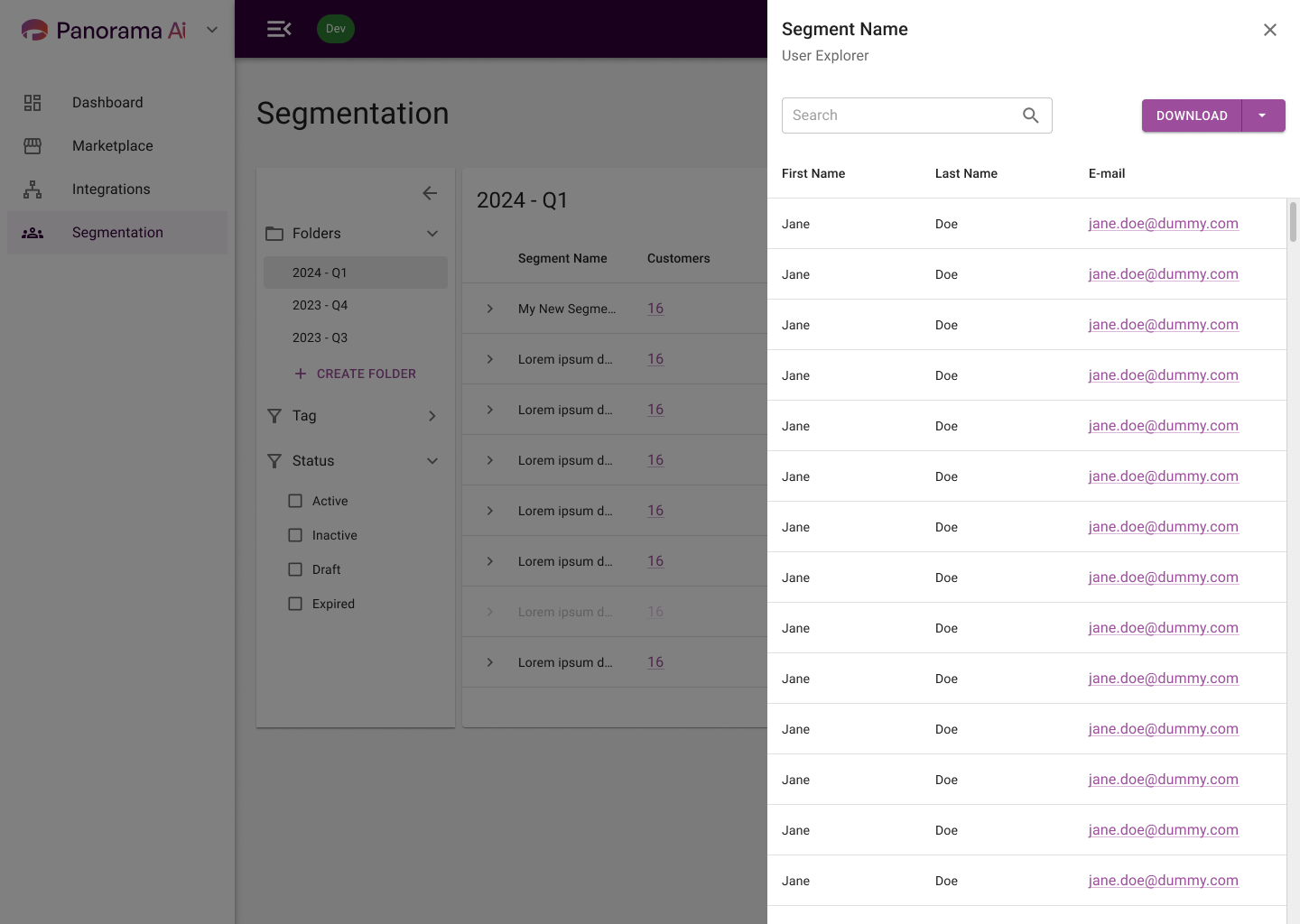
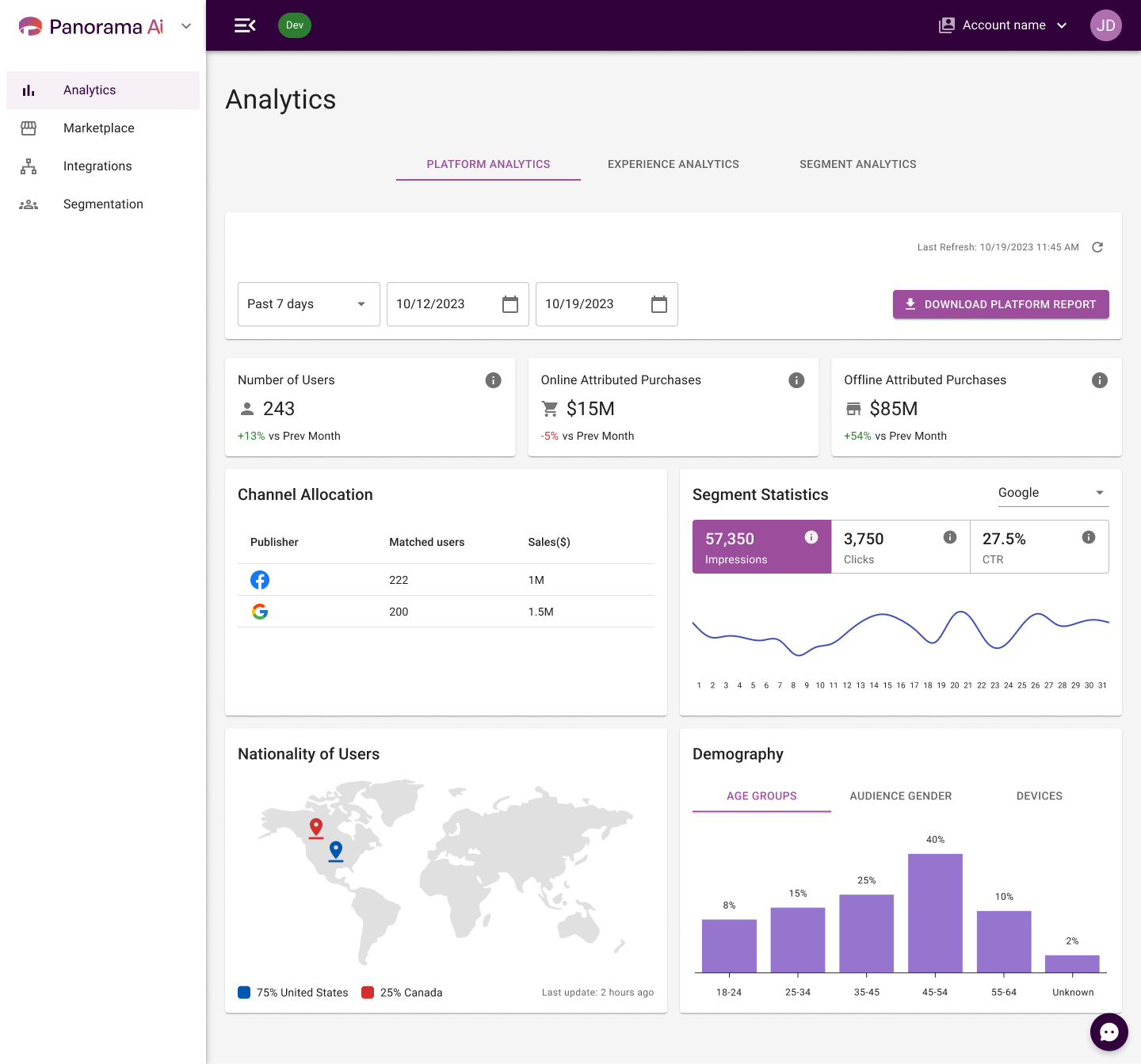
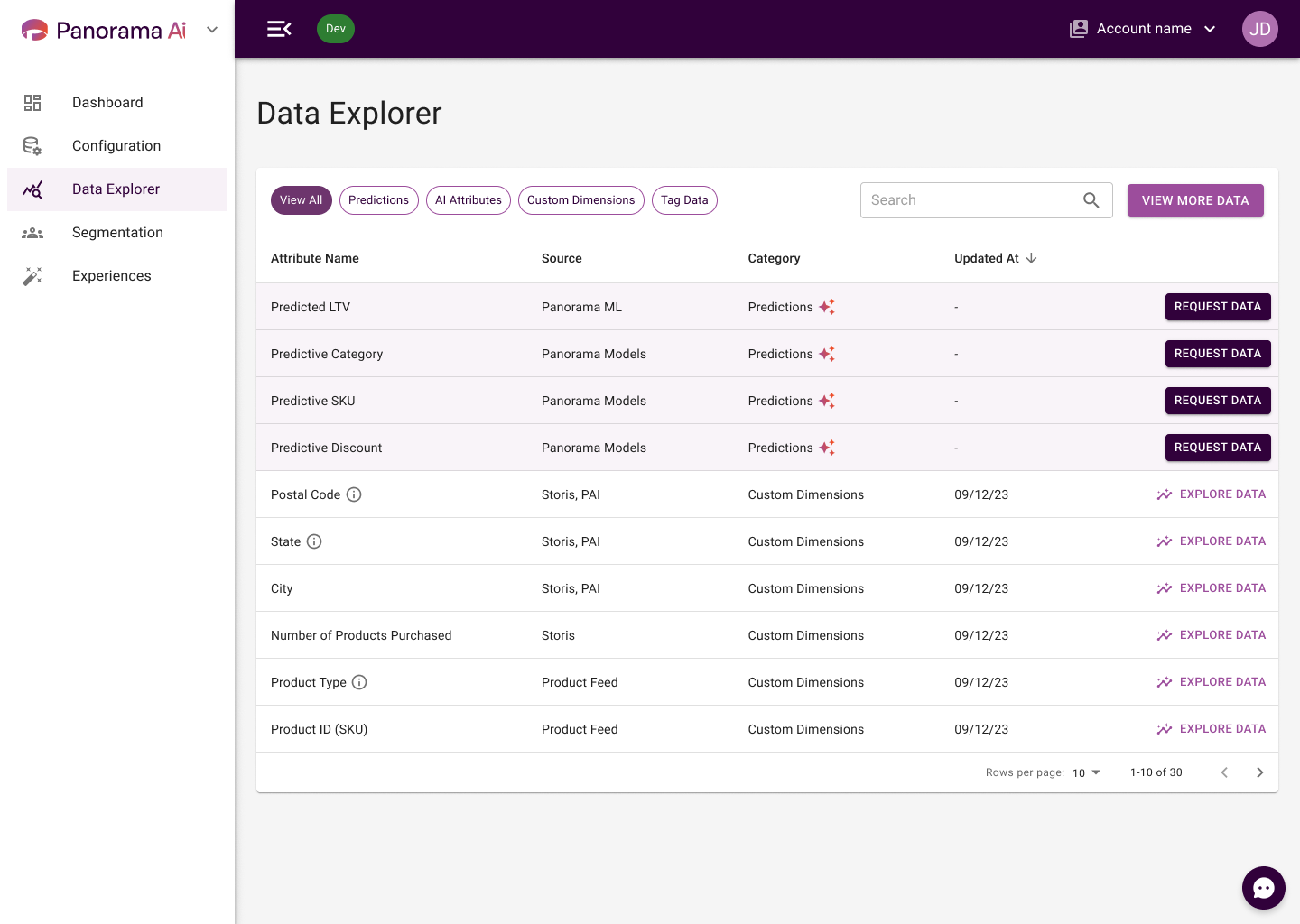
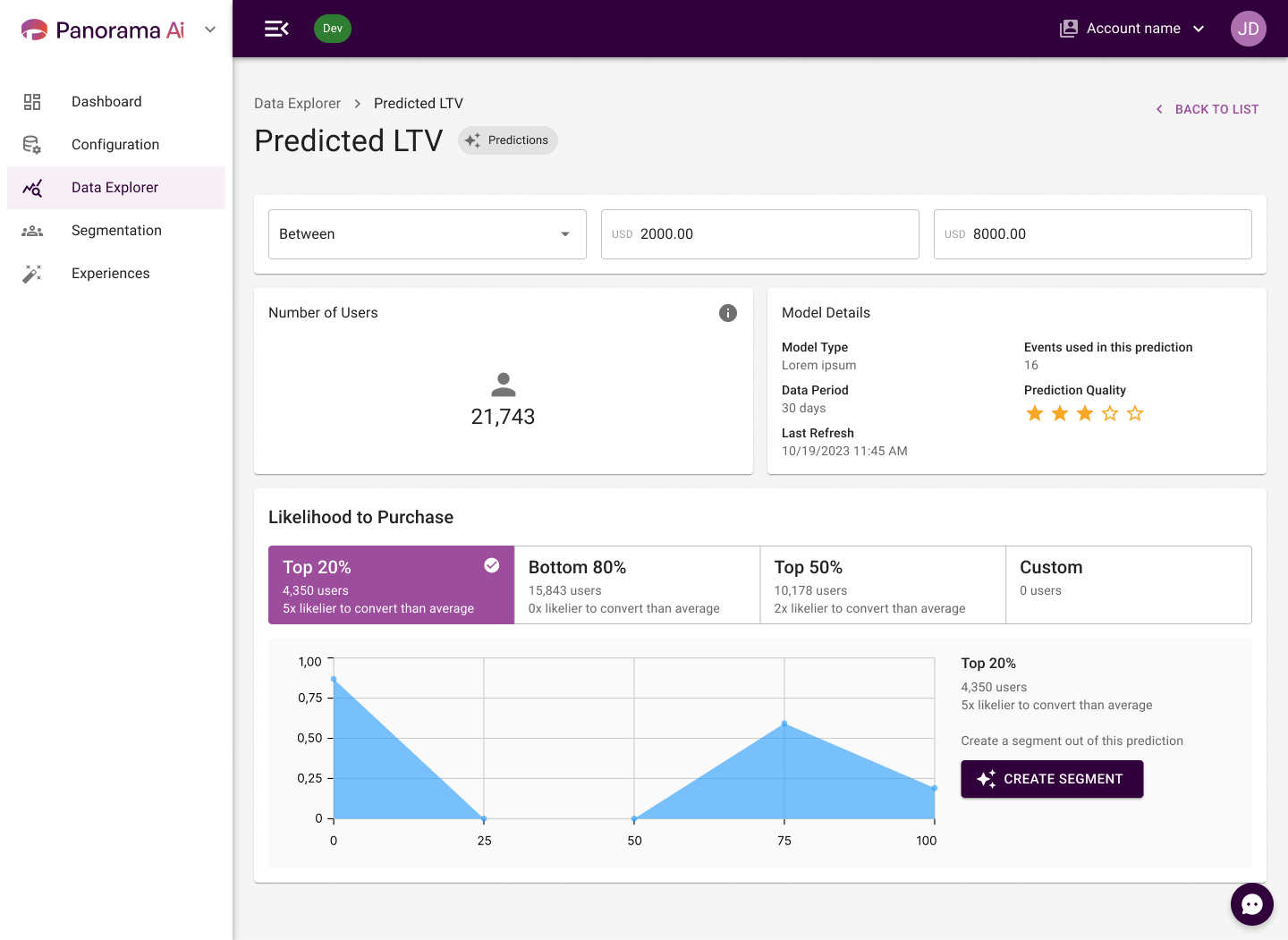
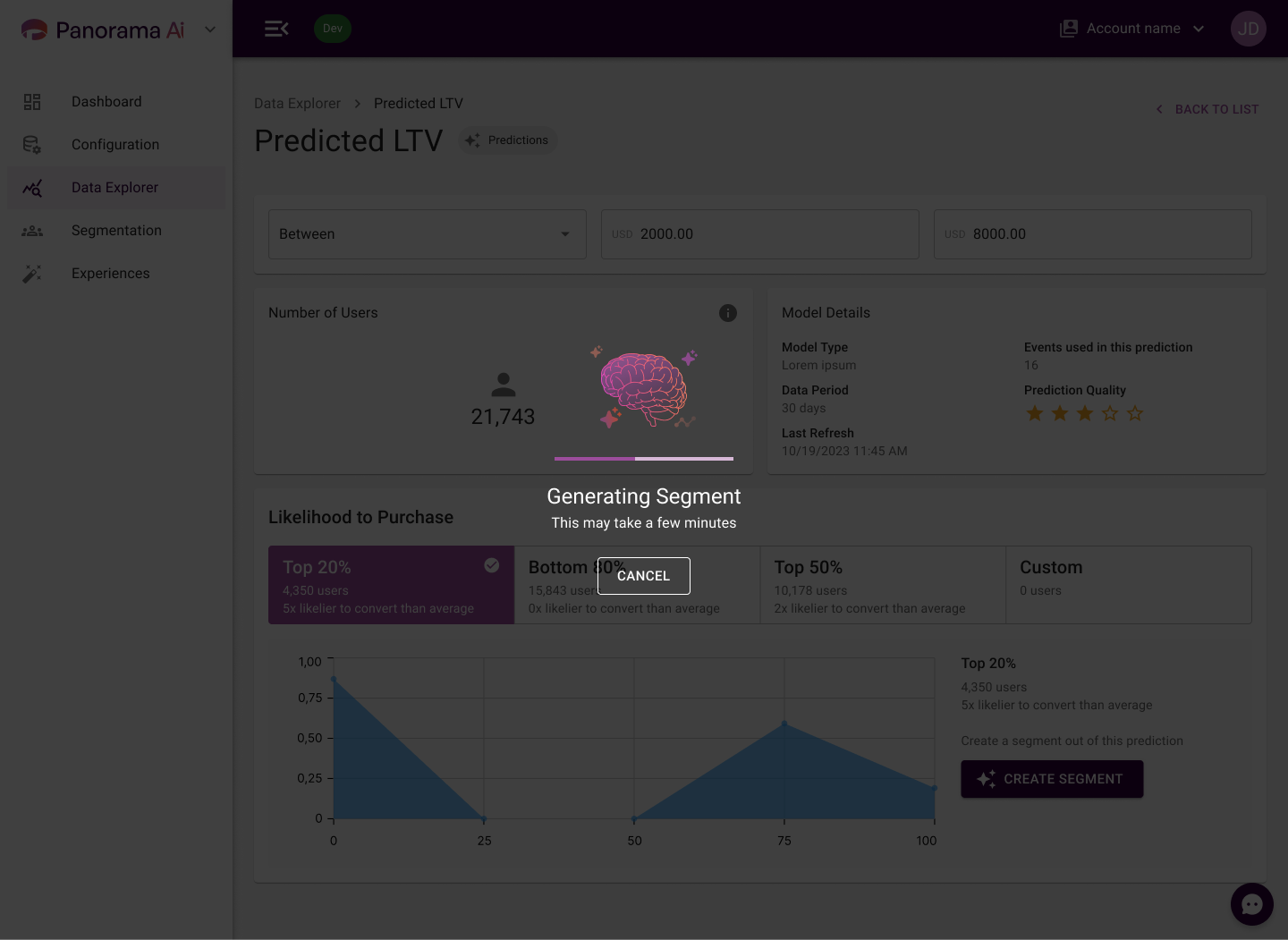
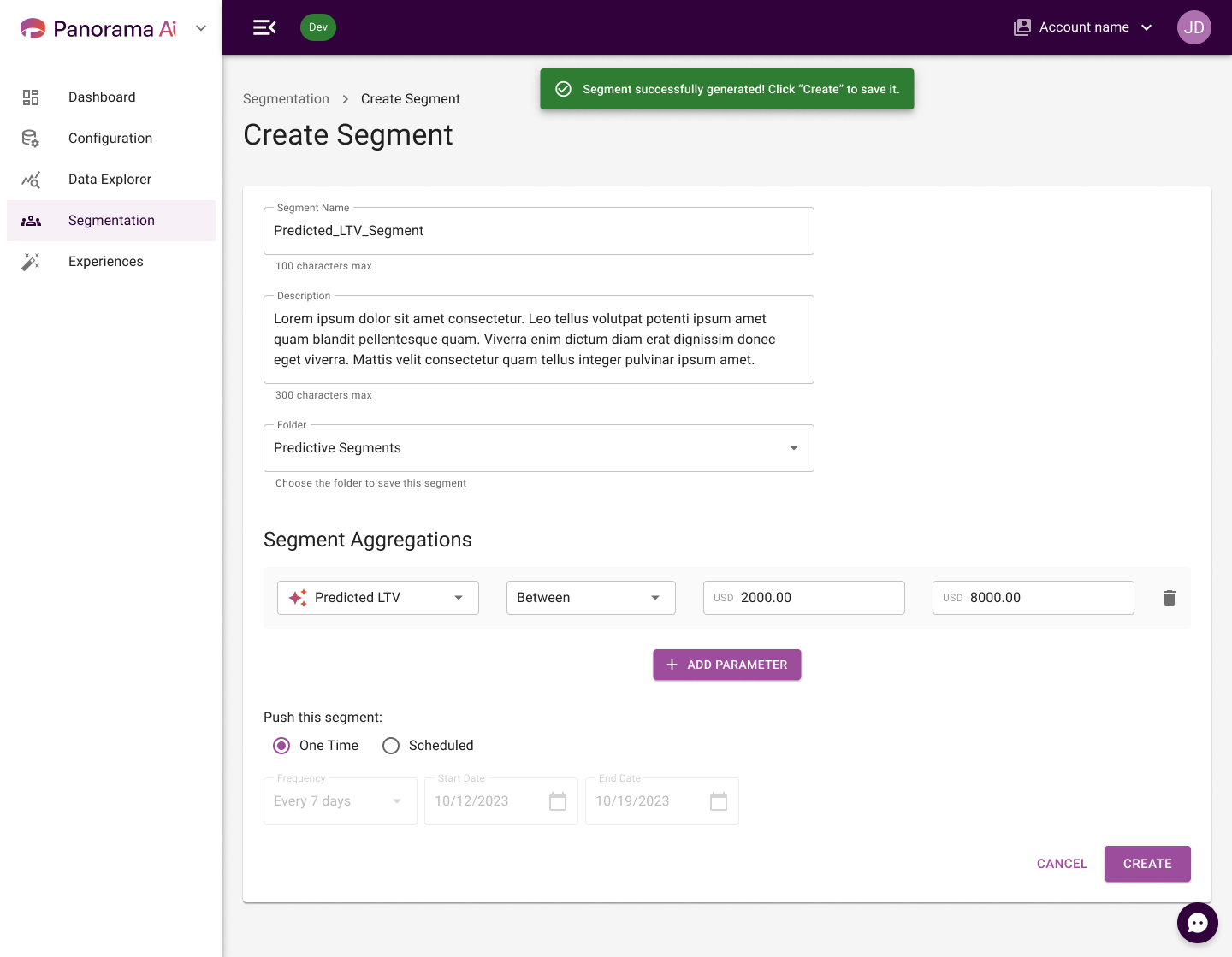
Segment Creation — From Manual to Conversational
A complete redesign of the audience creation workflow, migrating from a complex manual flow to an LLM-powered conversational experience — driven by usage data and client feedback pointing to low adoption and high friction.
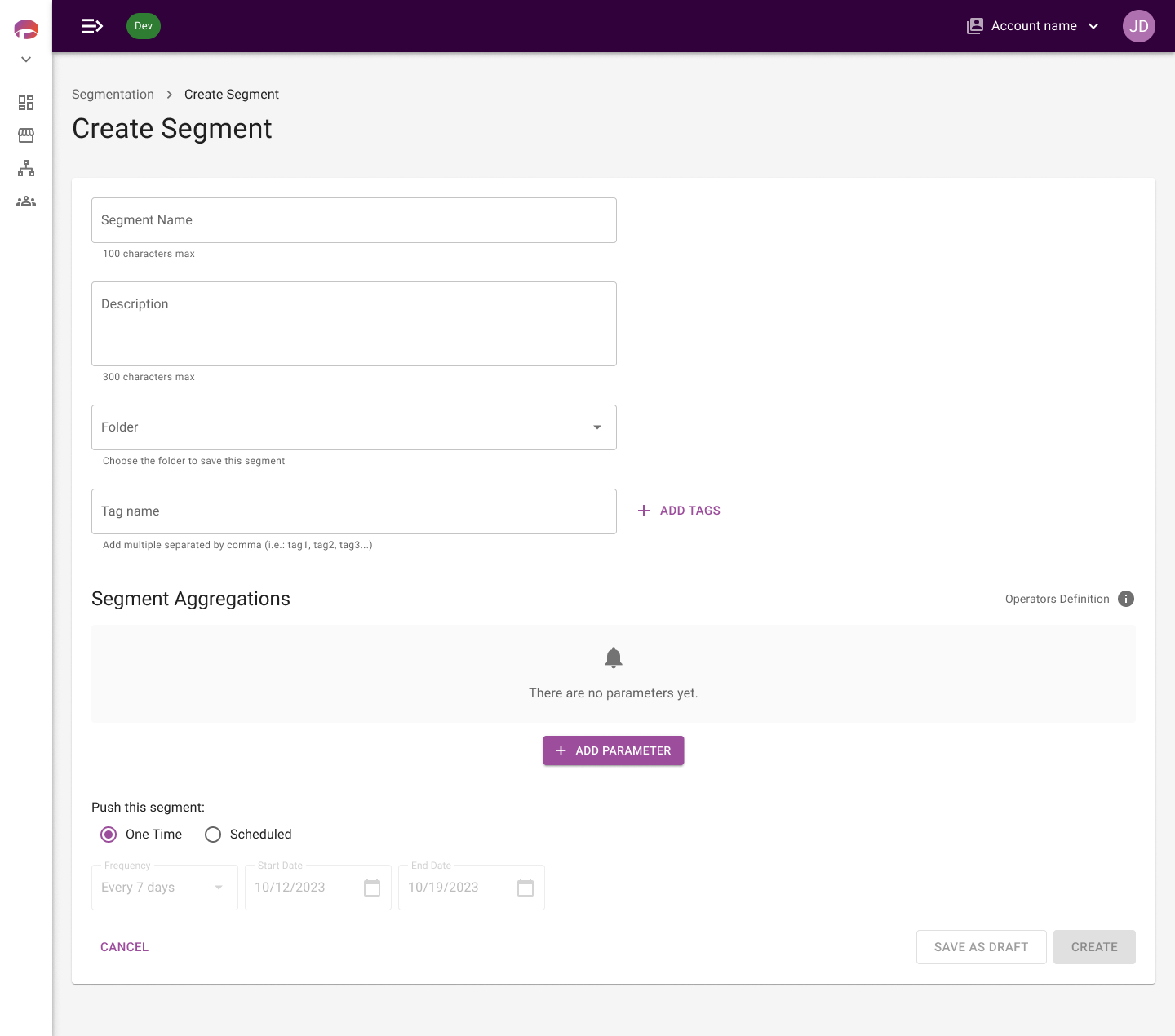
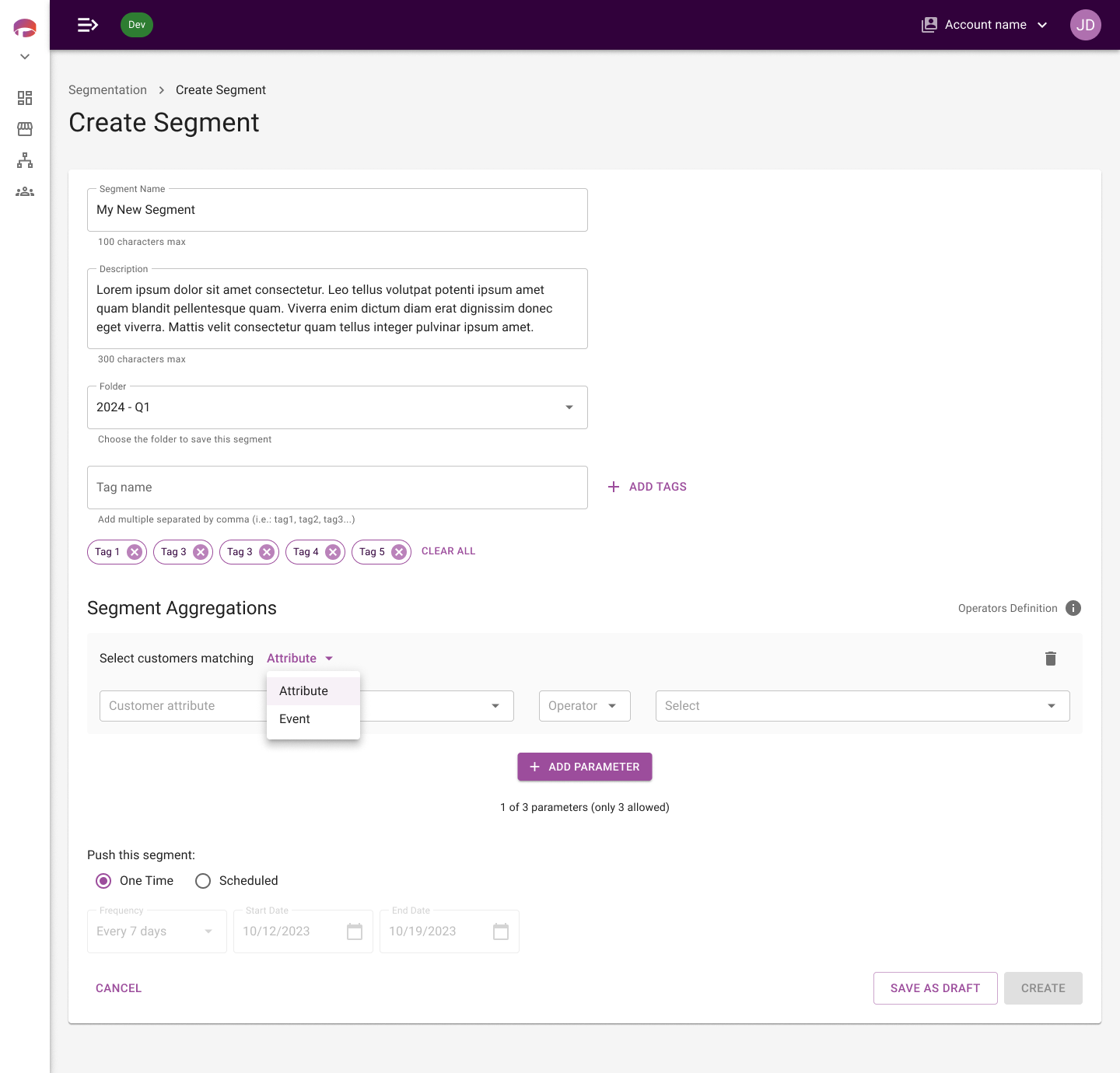
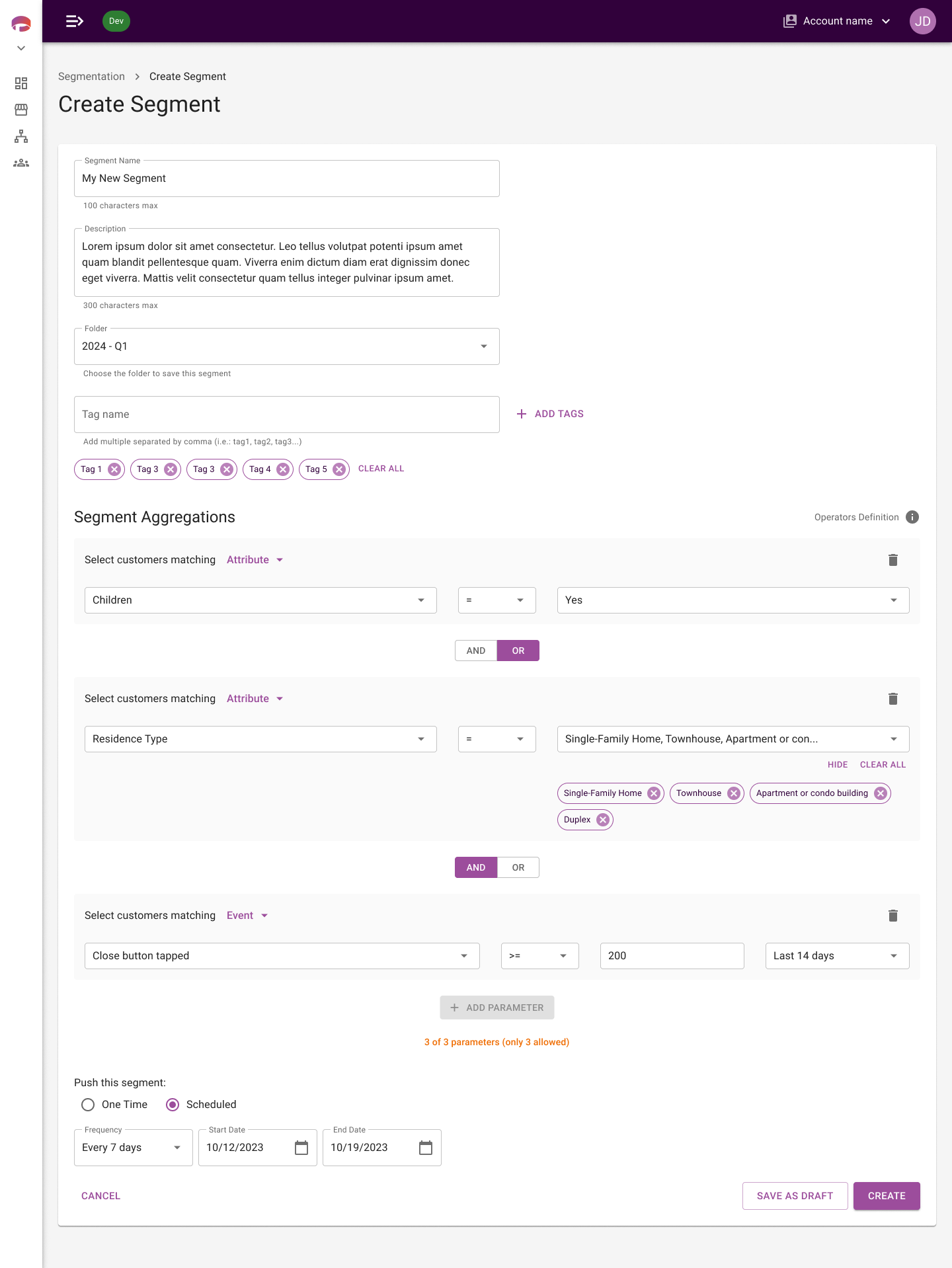
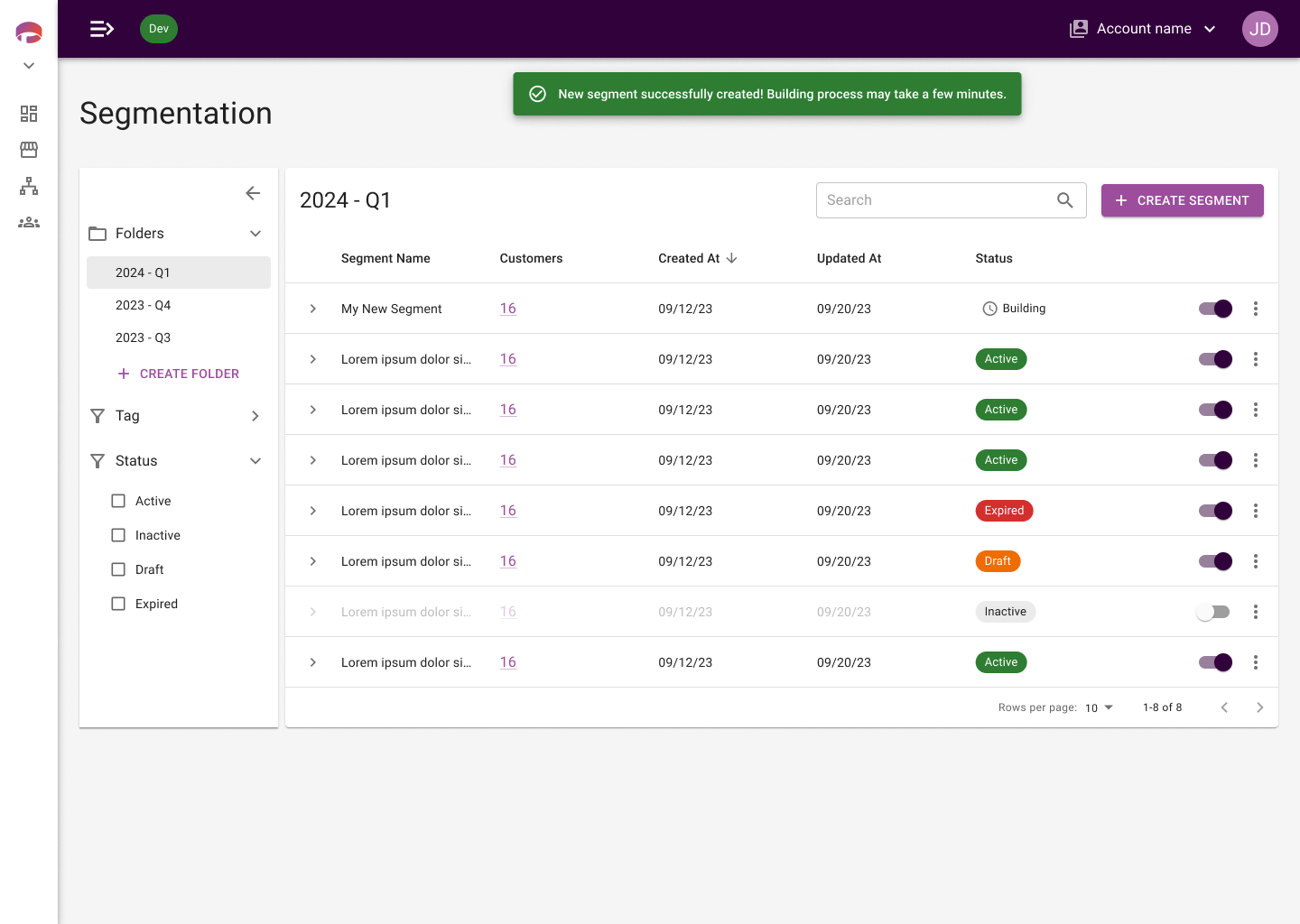
Before — Manual Workflow
The original flow required marketers to configure audience segments step by step through a series of manual inputs and form-based interactions. Usage data from Google Analytics revealed low adoption and limited engagement, while client feedback indicated the experience felt unintuitive and restrictive. The complexity of the workflow was creating unnecessary friction, making it difficult for users to complete their goals efficiently.
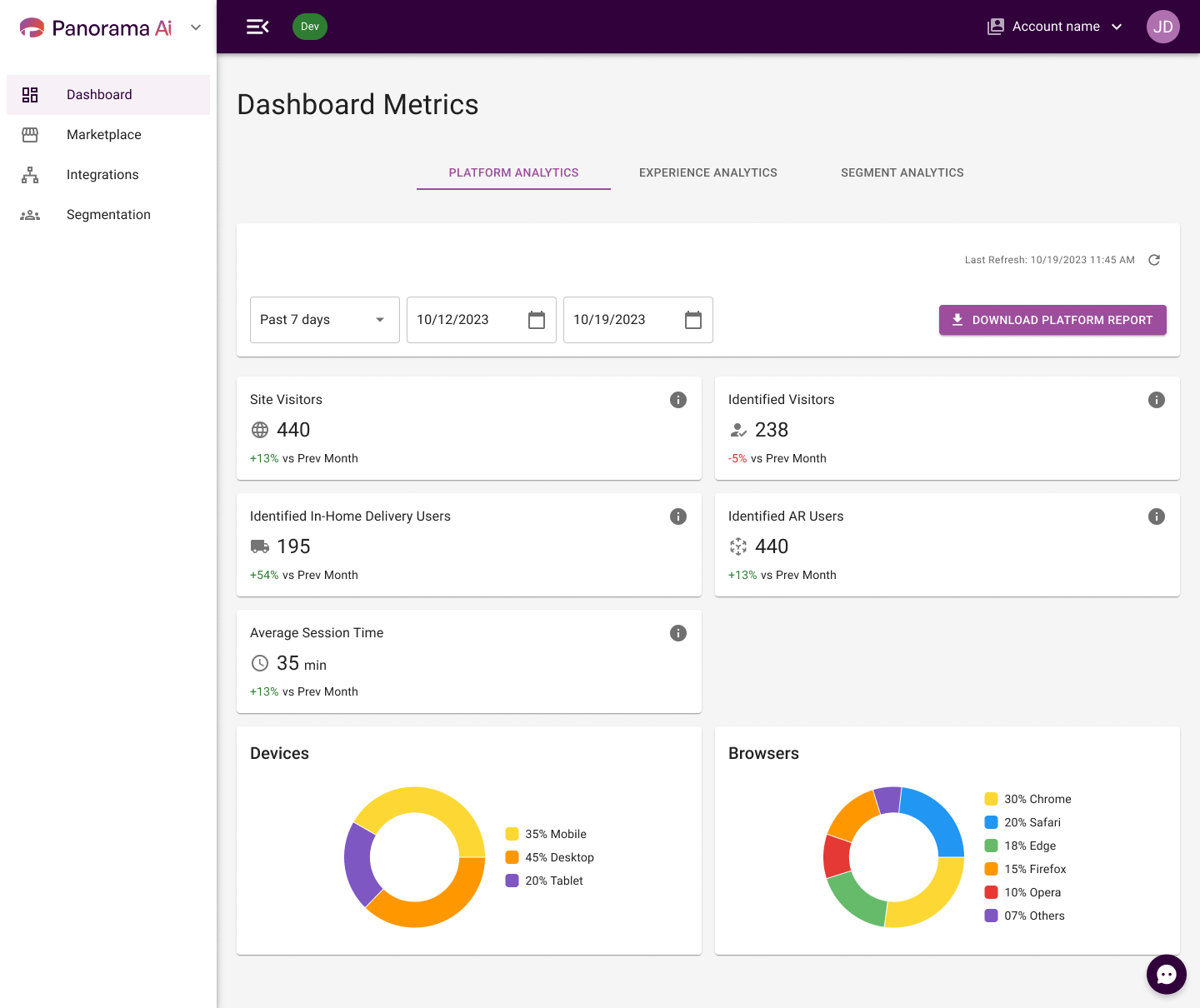
Temporary dashboard used to iterate on client requirements
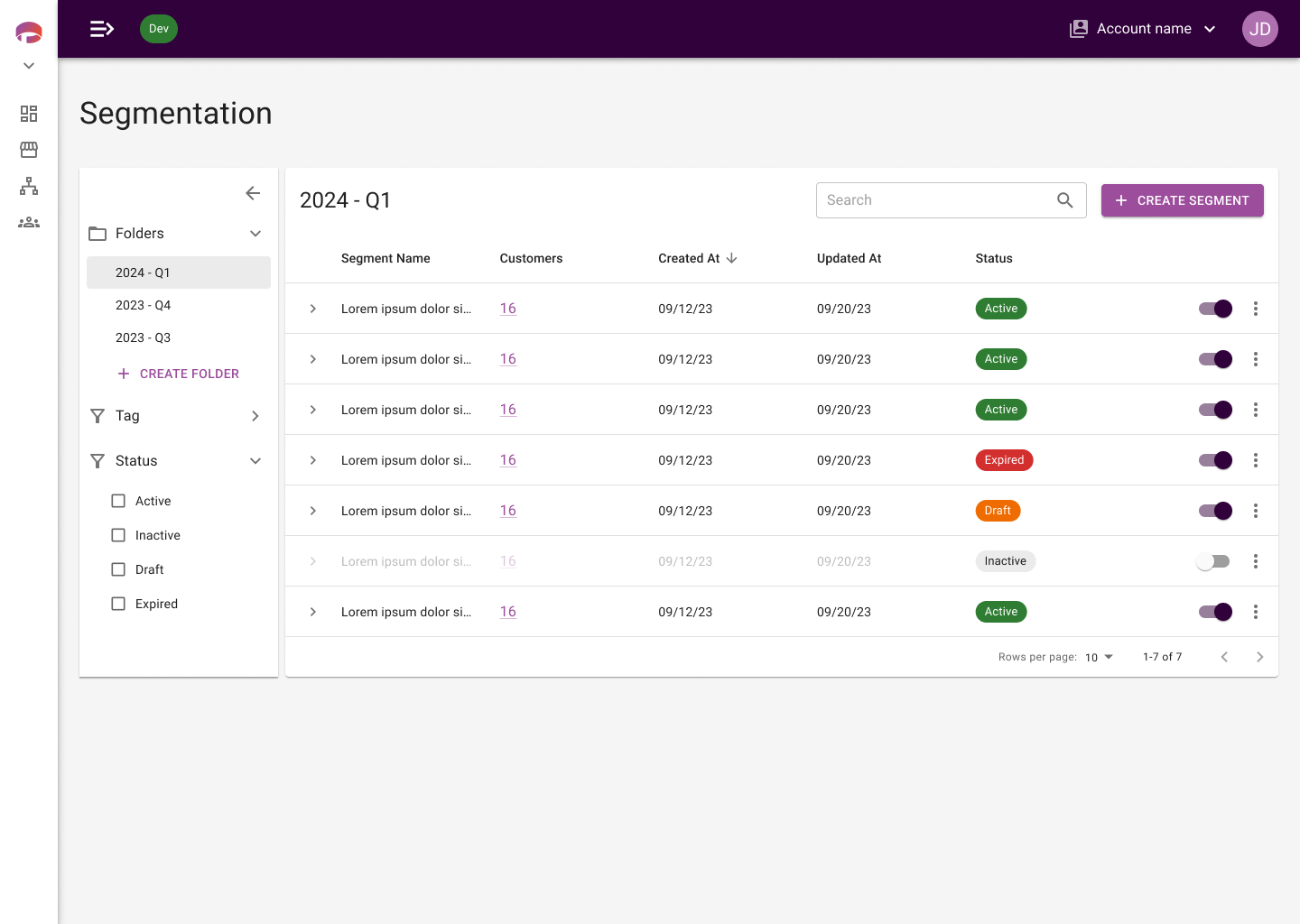
After — Conversational AI Workflow
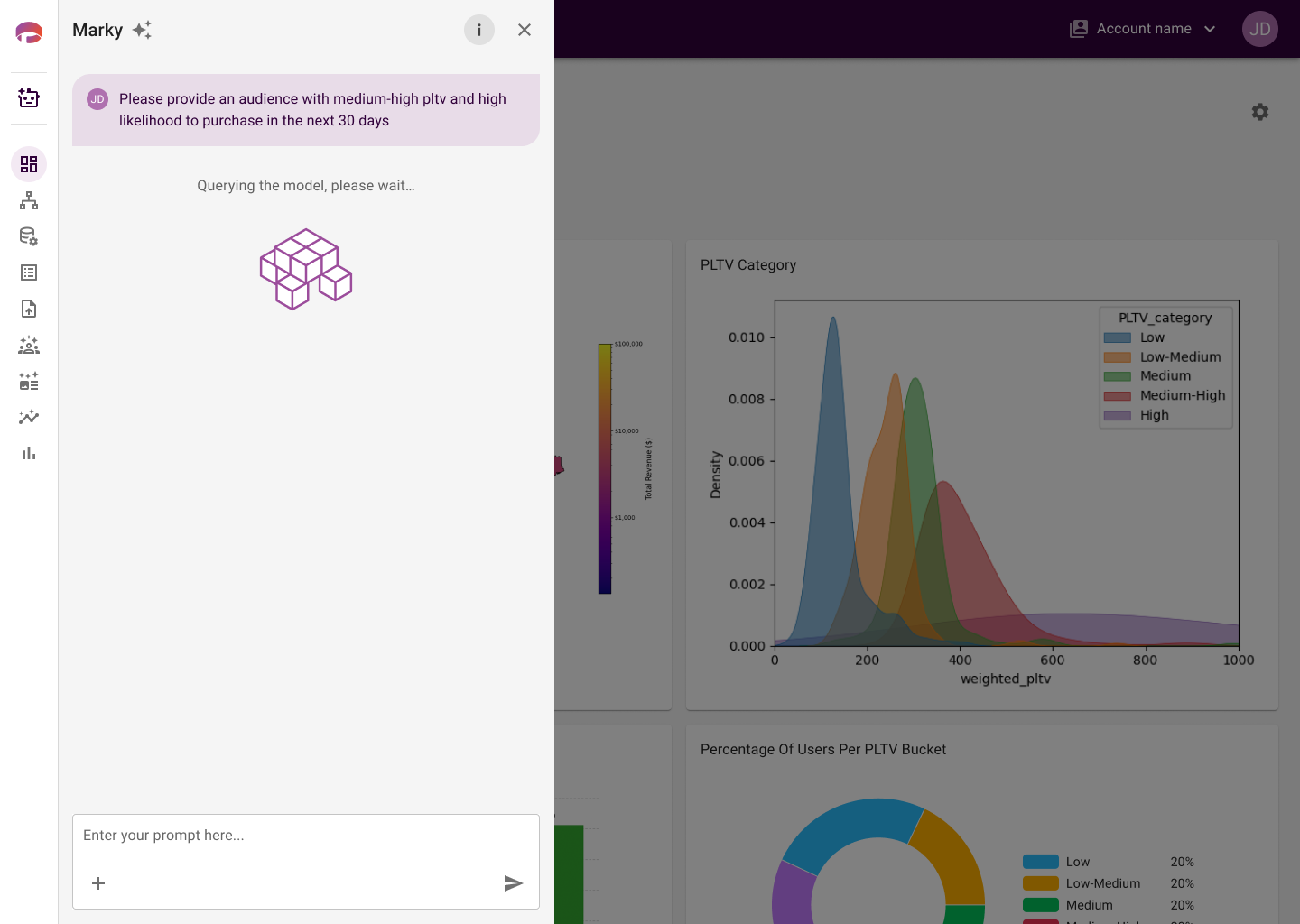
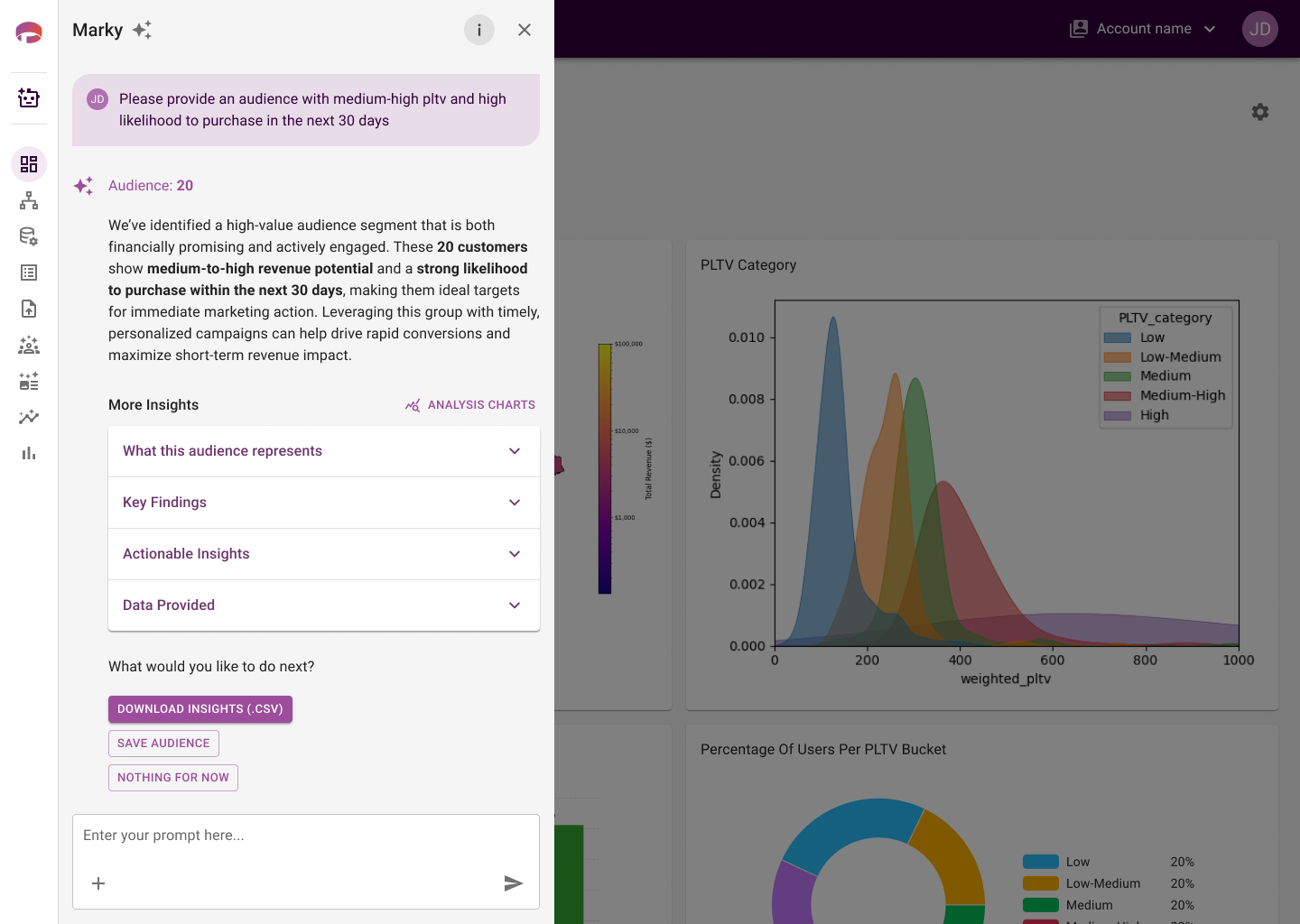
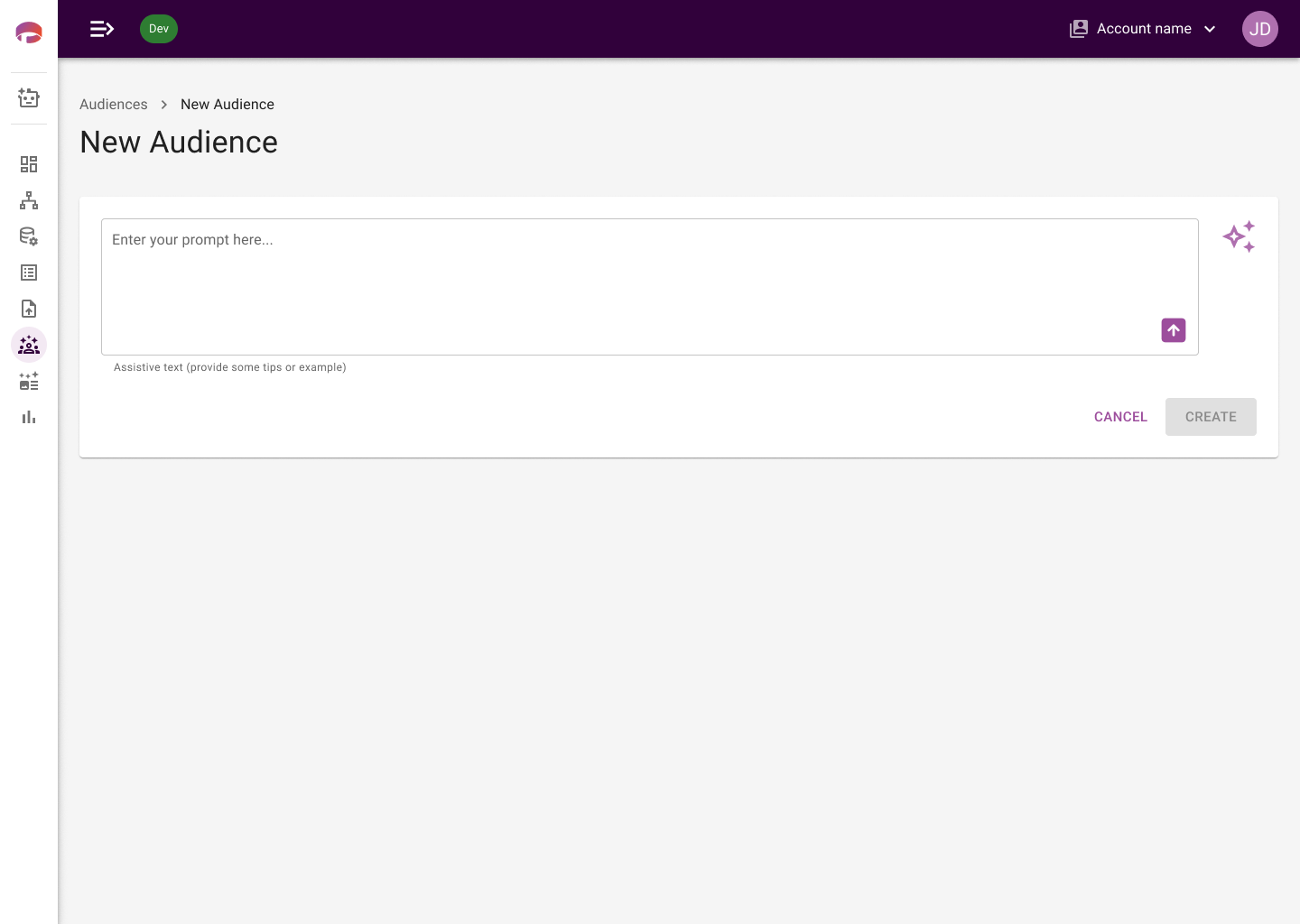
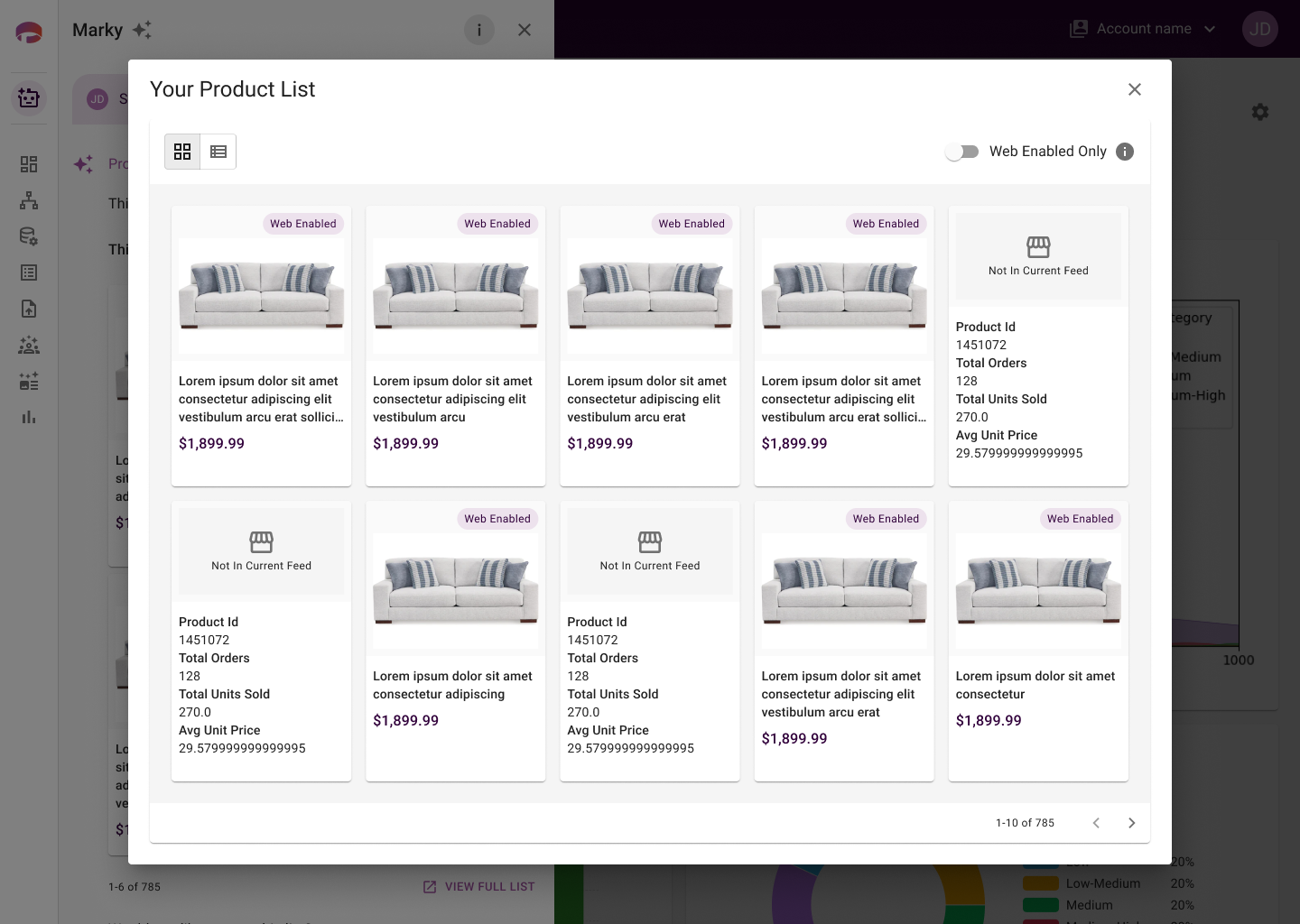
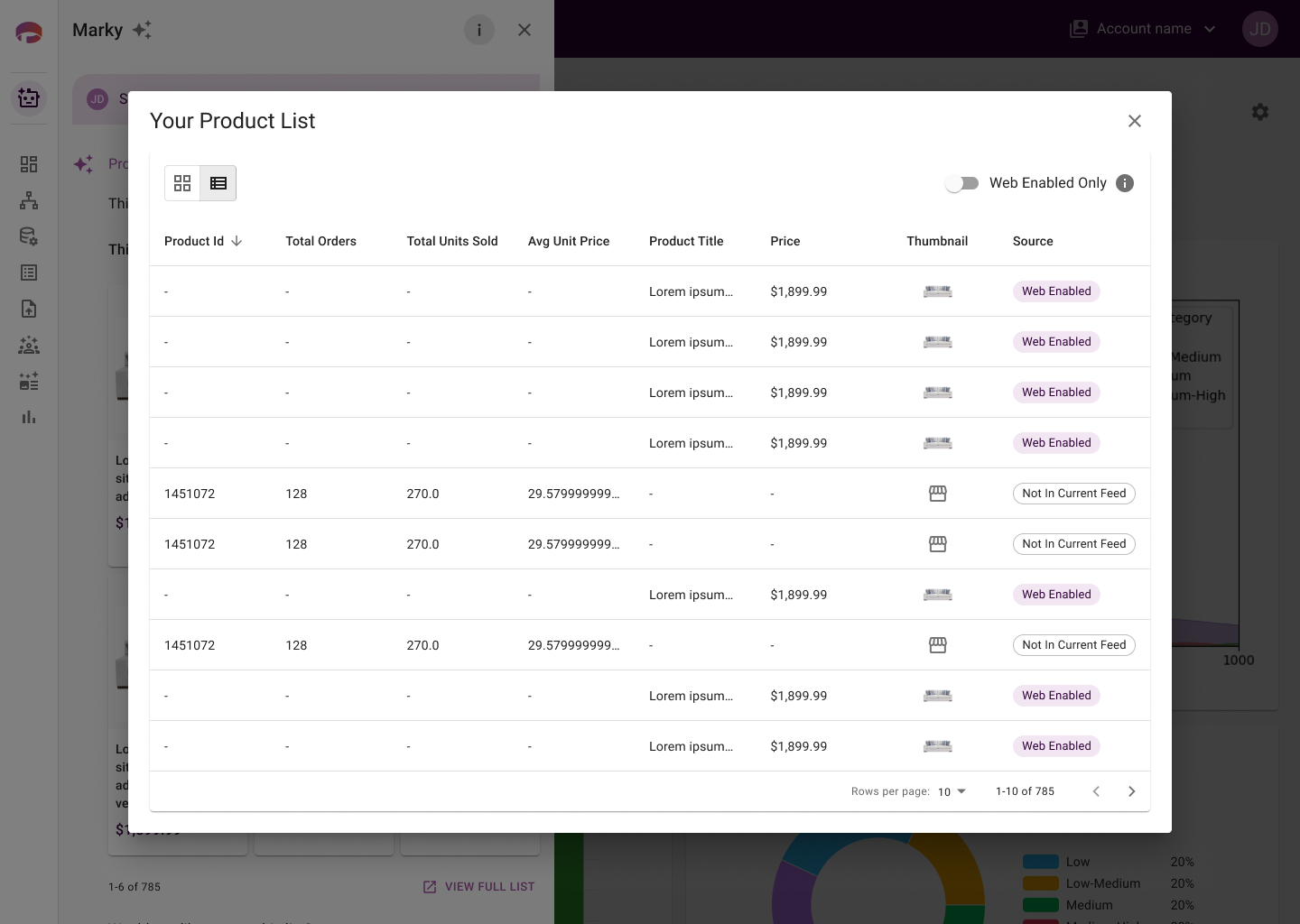
The workflow was completely redesigned around a guided natural-language interface powered by an LLM. Instead of navigating through manual configuration steps, marketers can now describe their target audience in plain language and let the AI assist in building the segment. This conversational approach also extends to product listing creation, enabling teams to generate and refine product catalogs through the same intuitive interface. To further support decision-making, the experience was enriched with visual insights — including maps and charts — providing a clearer and more actionable view of their data. The redesign reduced task complexity and effort, simplified the overall experience, and improved feature adoption.
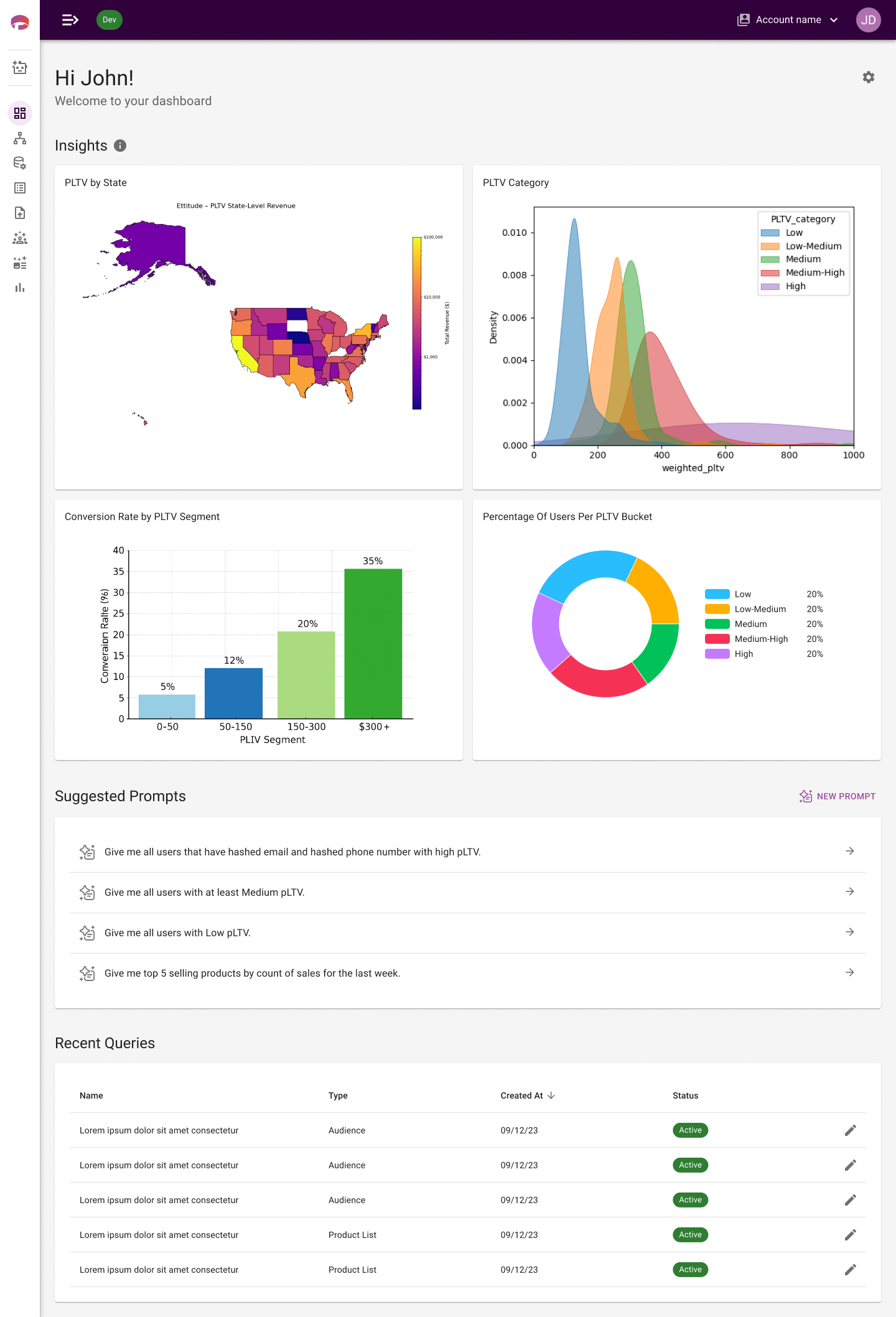
Enhanced dashboard with key insights and LLM integration
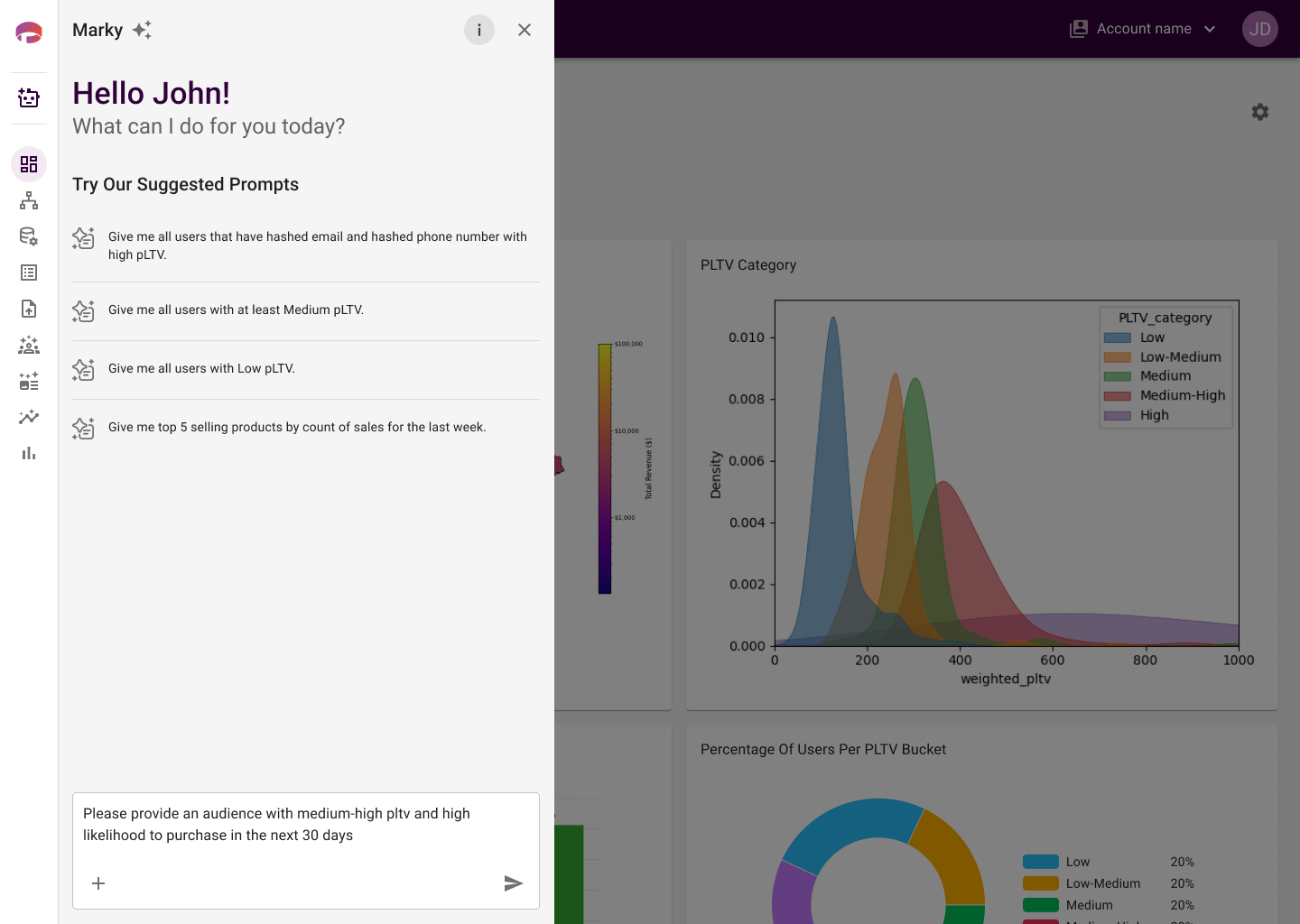
Audience creation
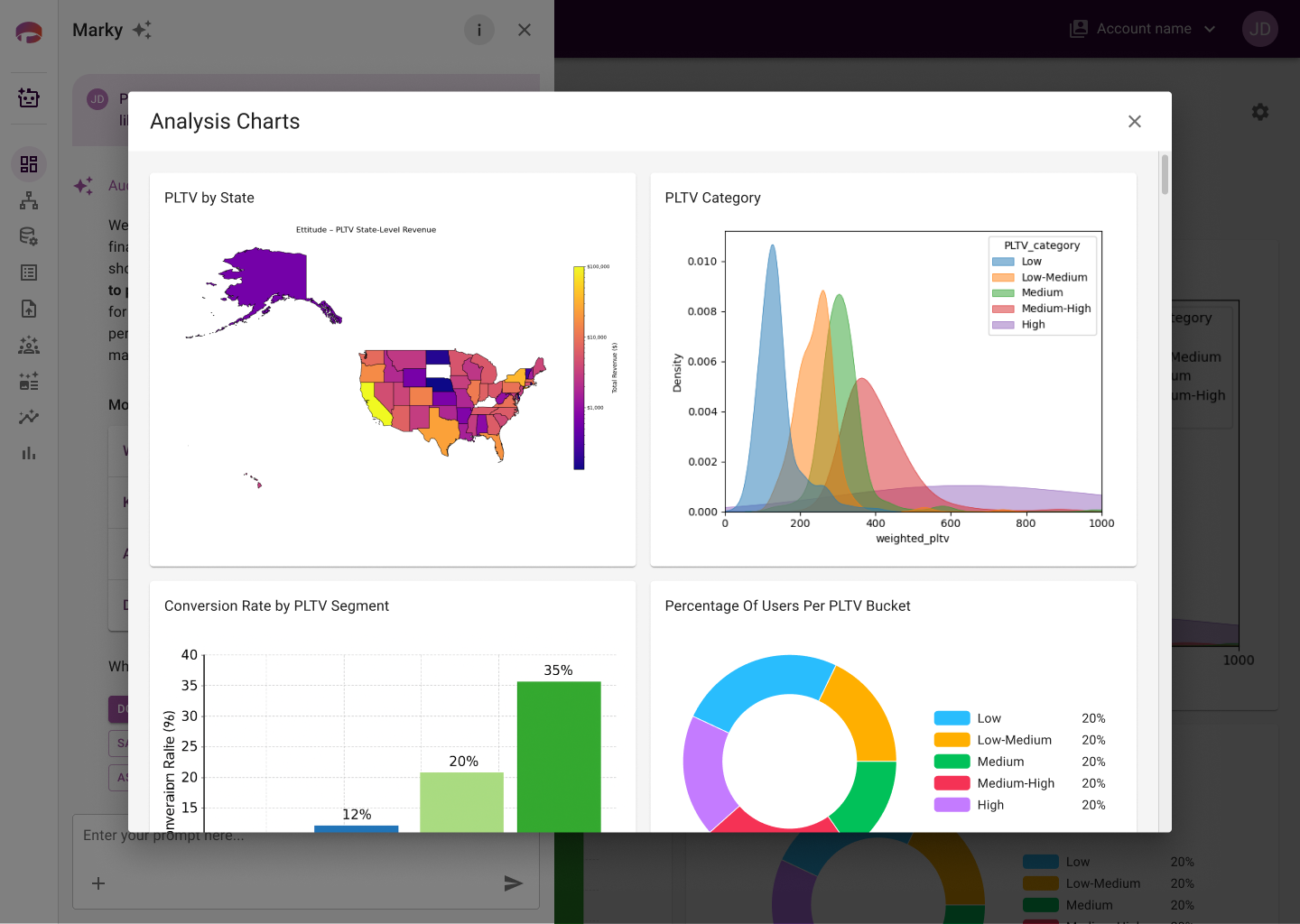
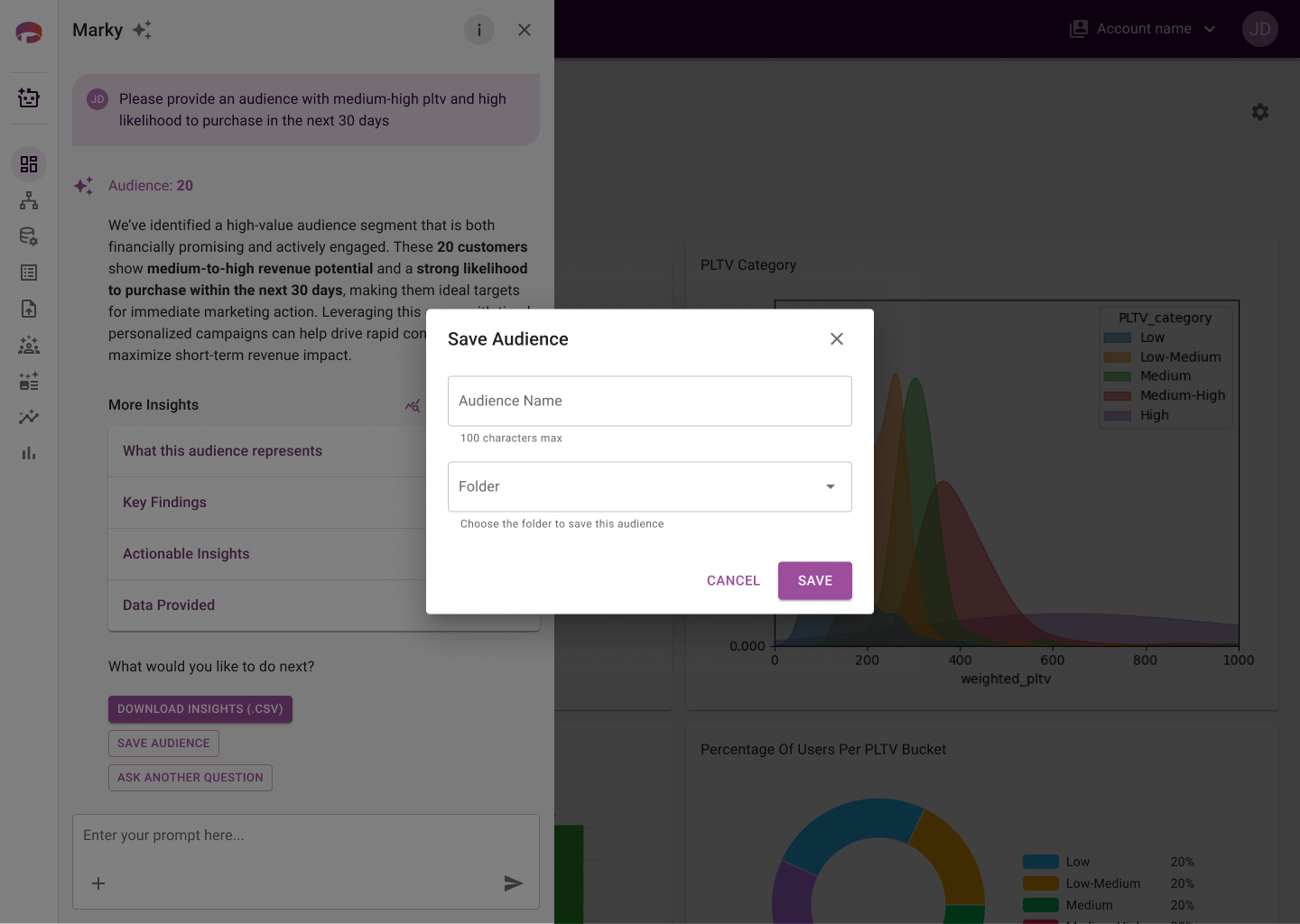
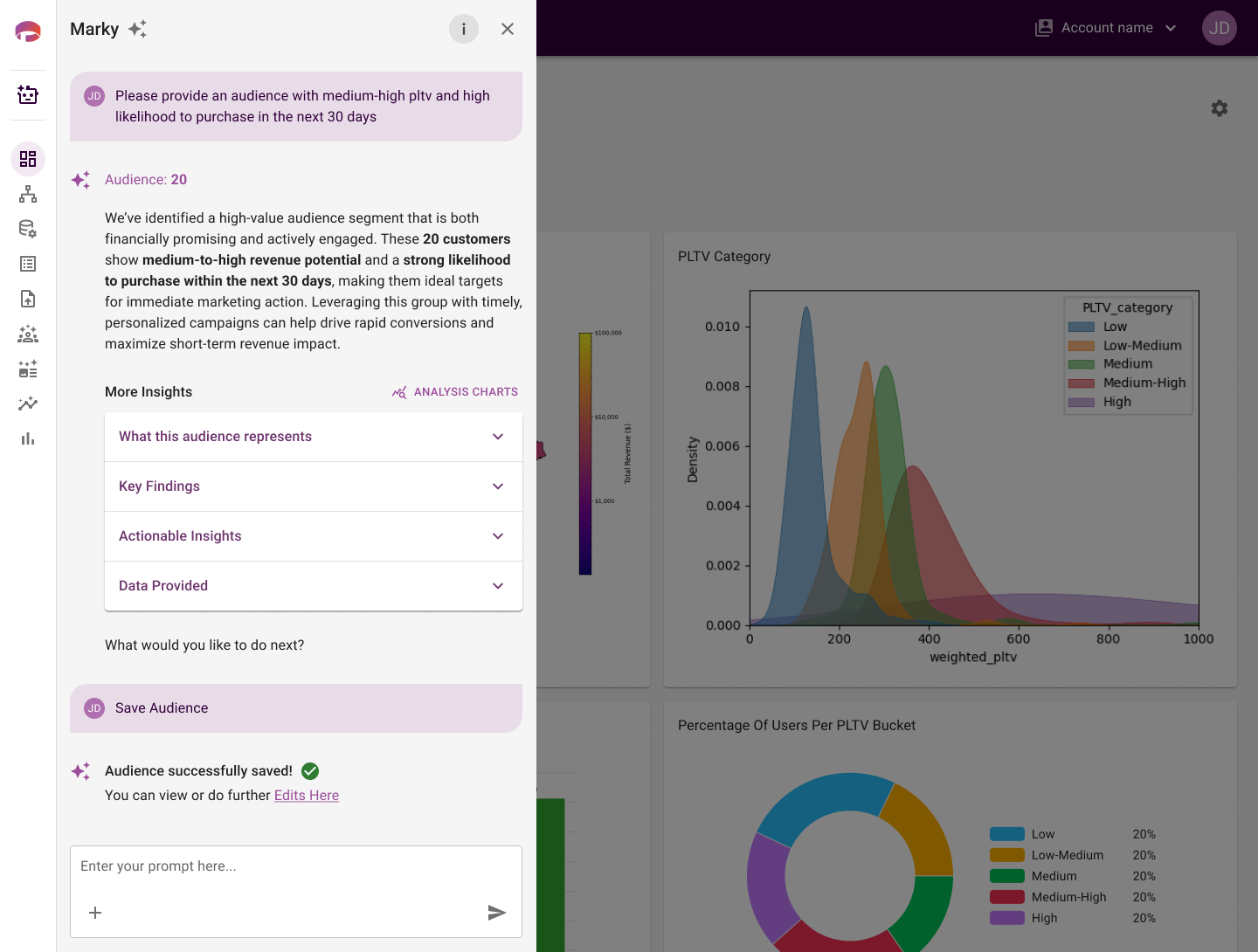
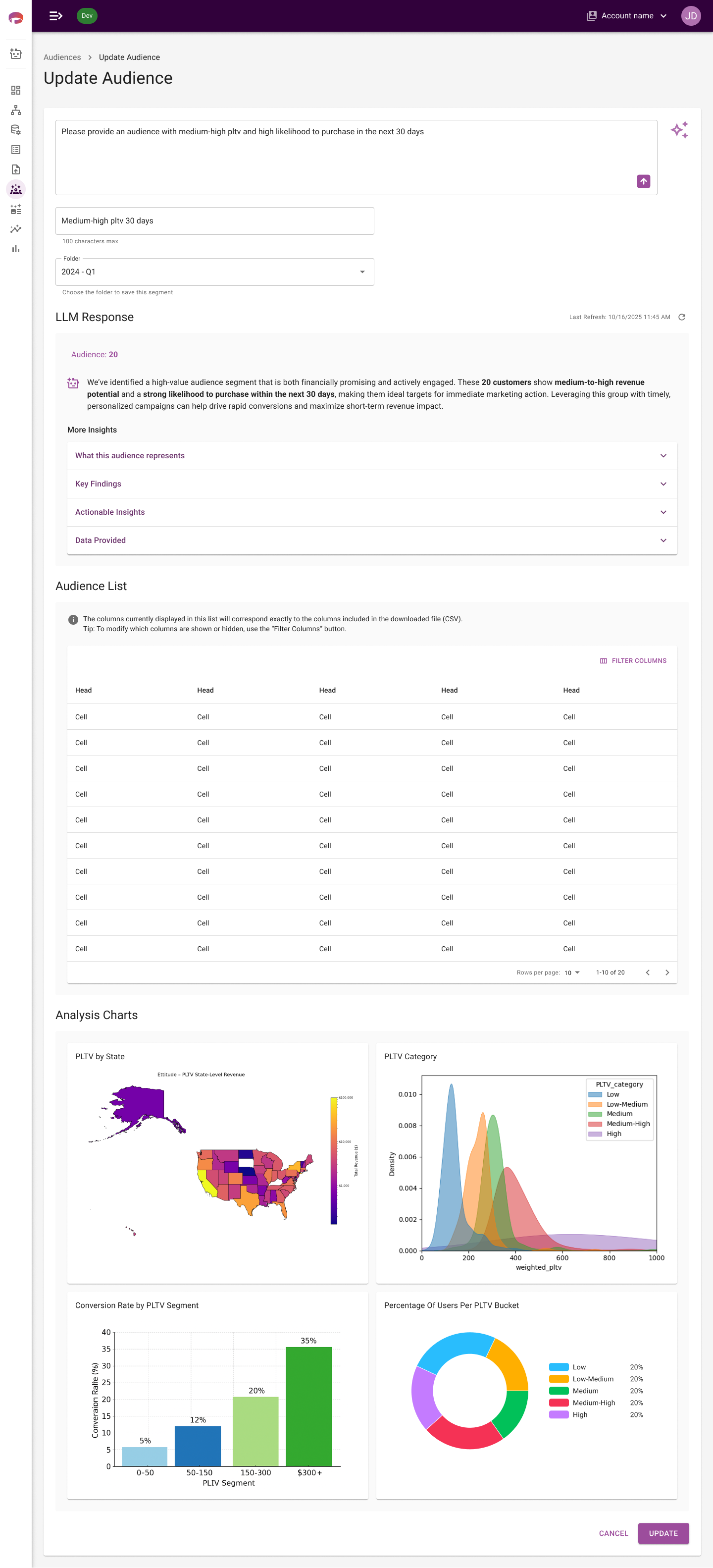
Edit audience page
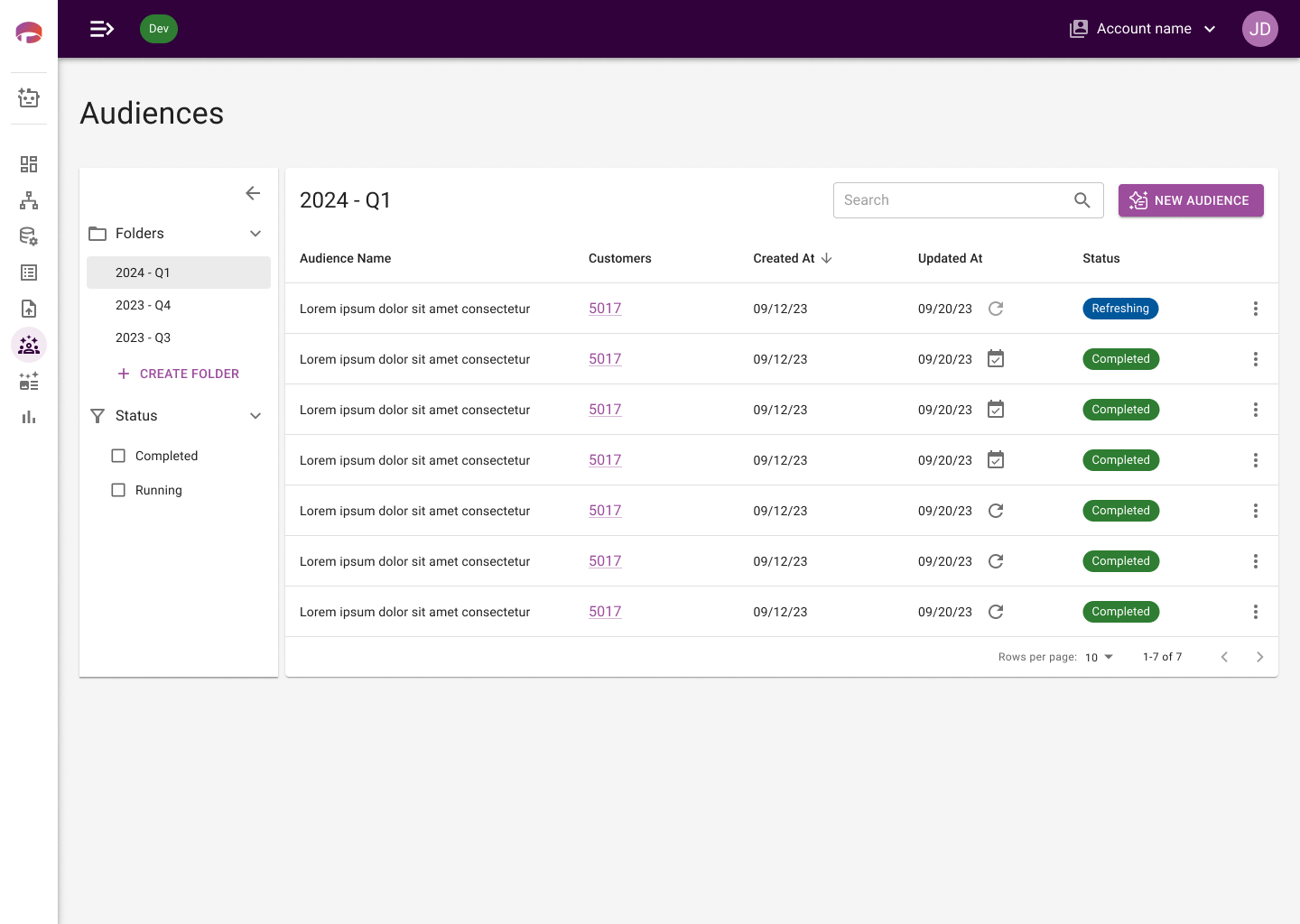
Saved audiences list
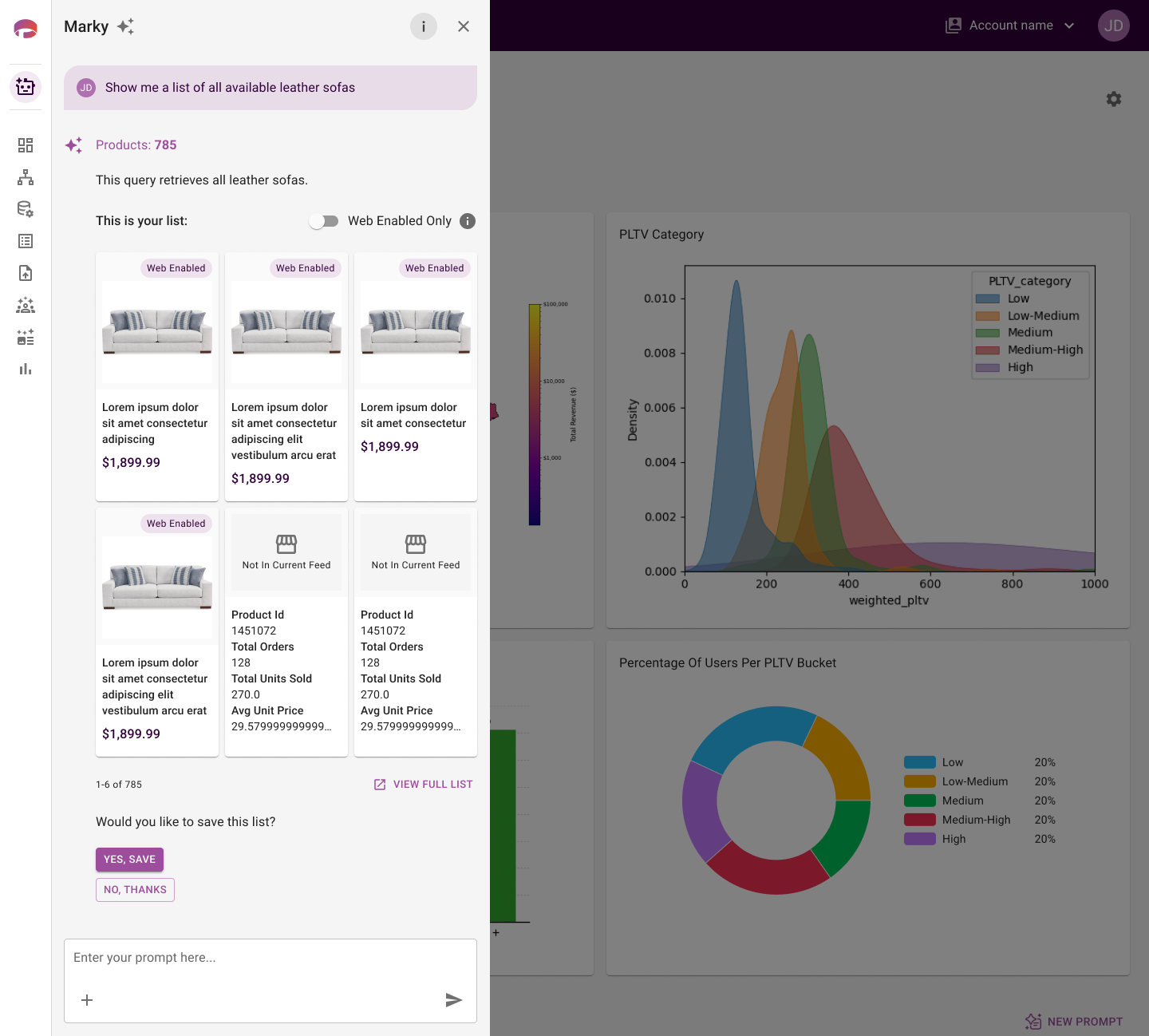
Product listing creation
Journey Mapping — Feature Exploration & Prototyping
A new feature requested by the client to enhance the Customer Platform, enabling visualization of multi-channel user journeys and their impact on conversion.
I translated the PRD into a clear dashboard concept, starting with rapid UI exploration in Figma Make and evolving it into an interactive prototype to validate key UX flows. After iterative feedback with stakeholders, I delivered high-fidelity mockups aligned with the design system, ready for developer handoff.
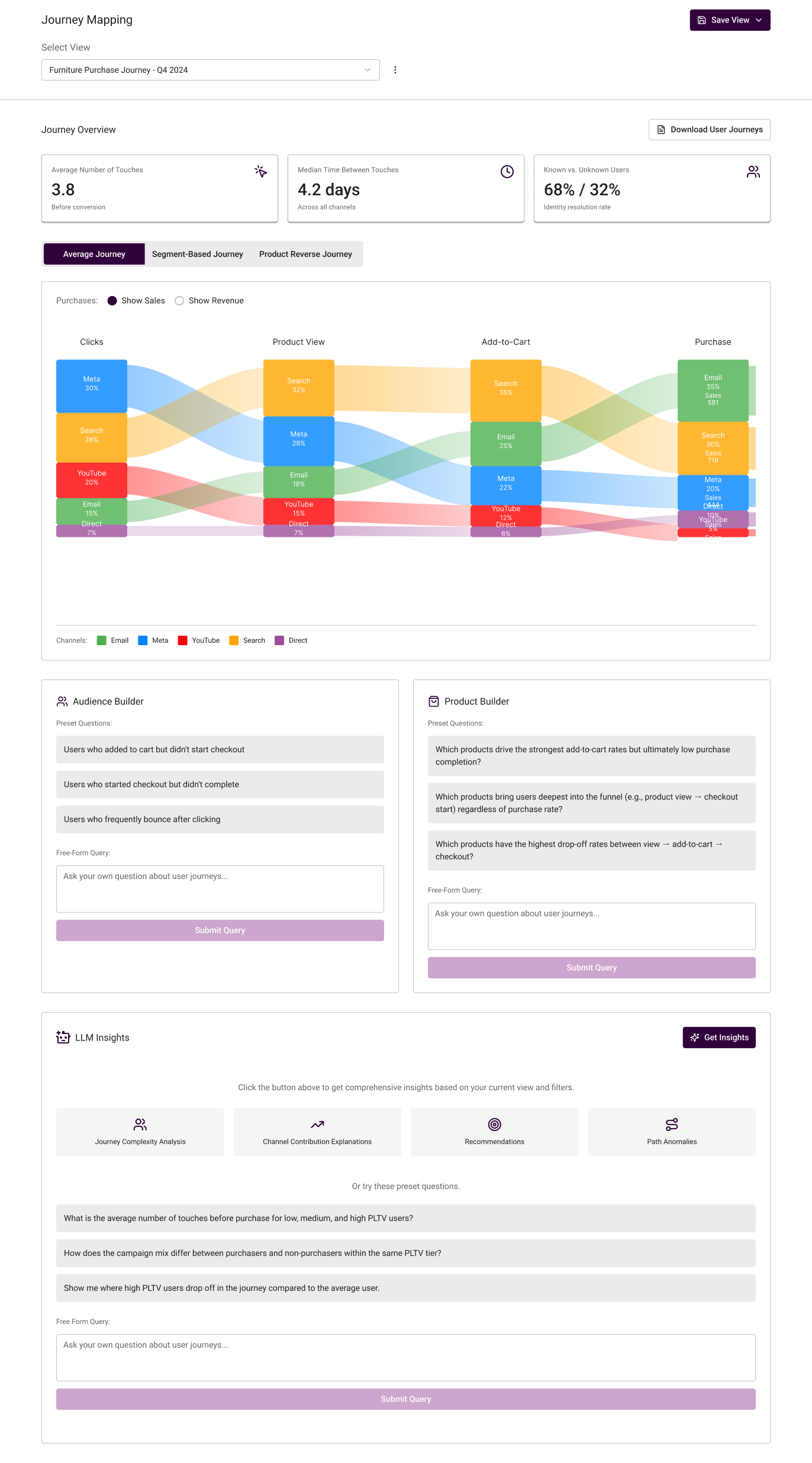
Figma Make exploration
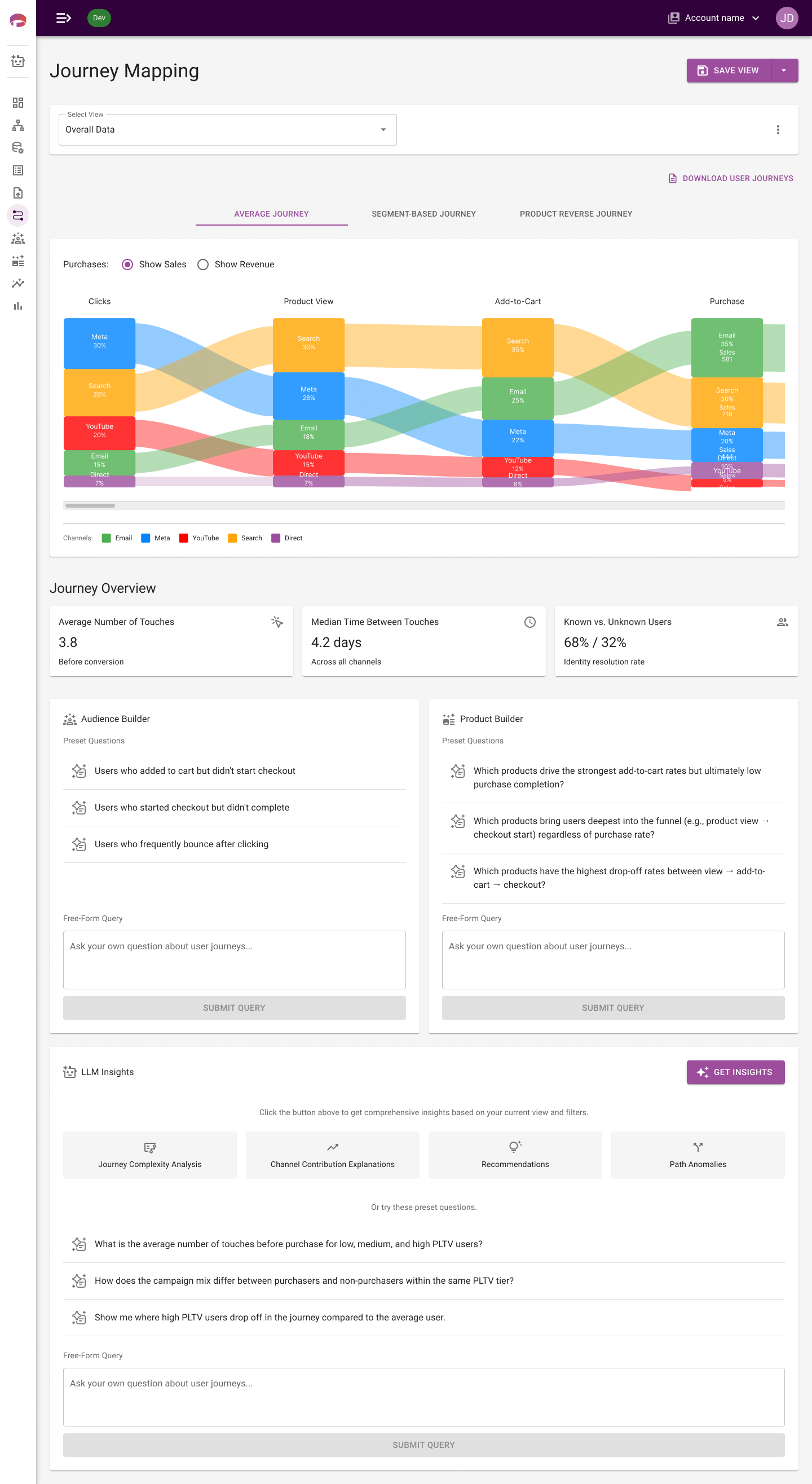
Final UI design
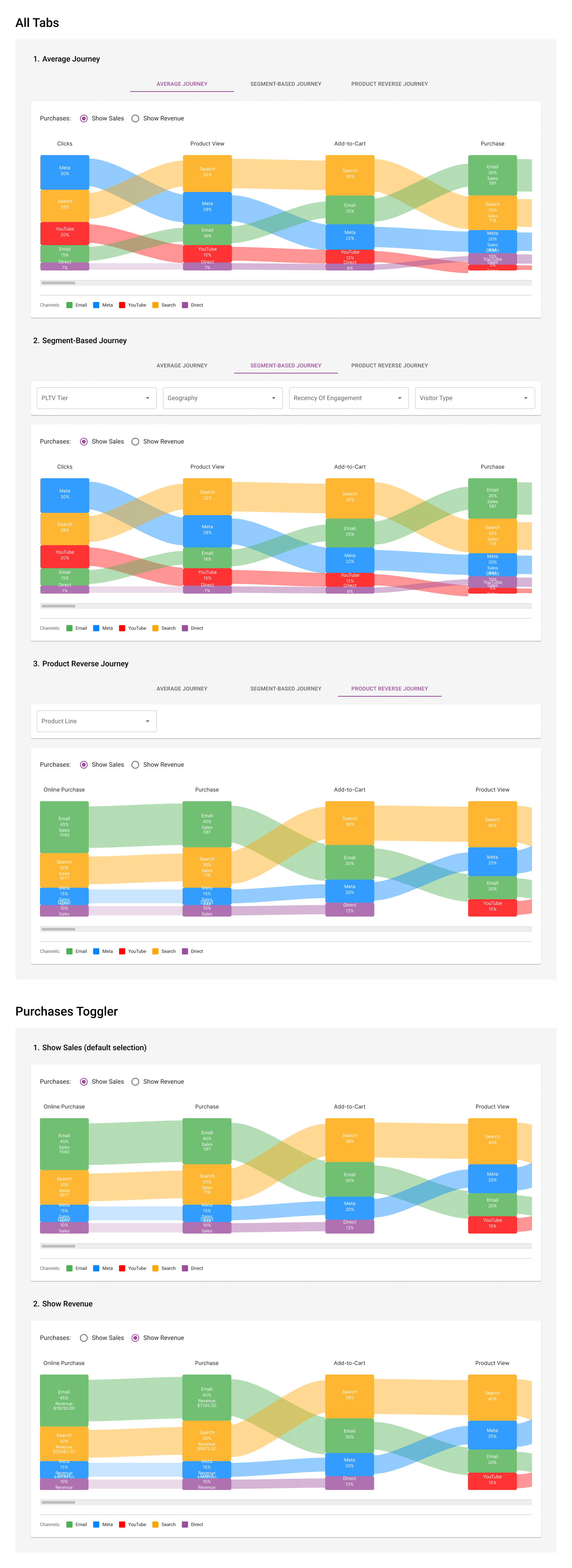
Funnel Progression Graph
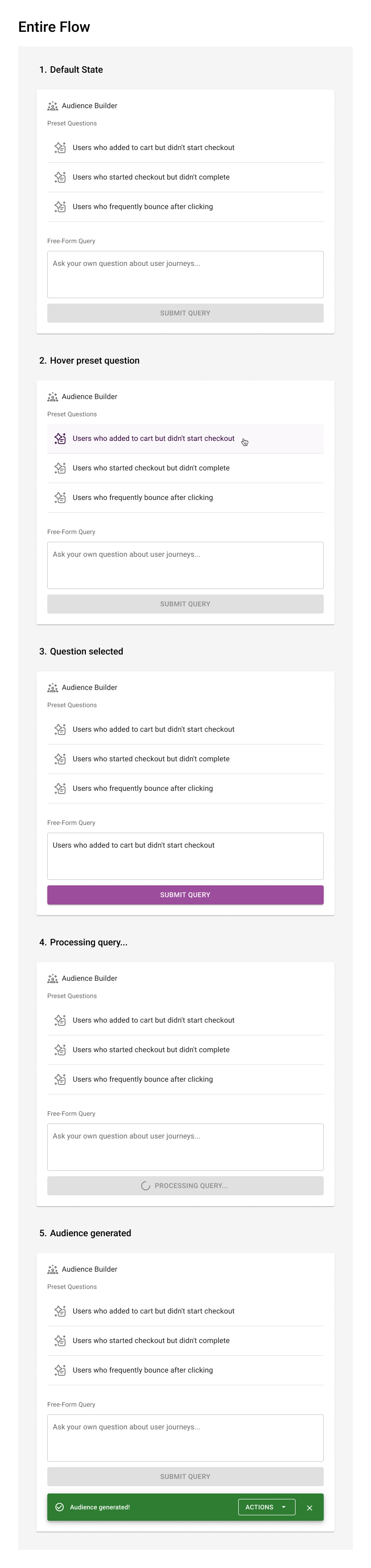
Audience Builder flow
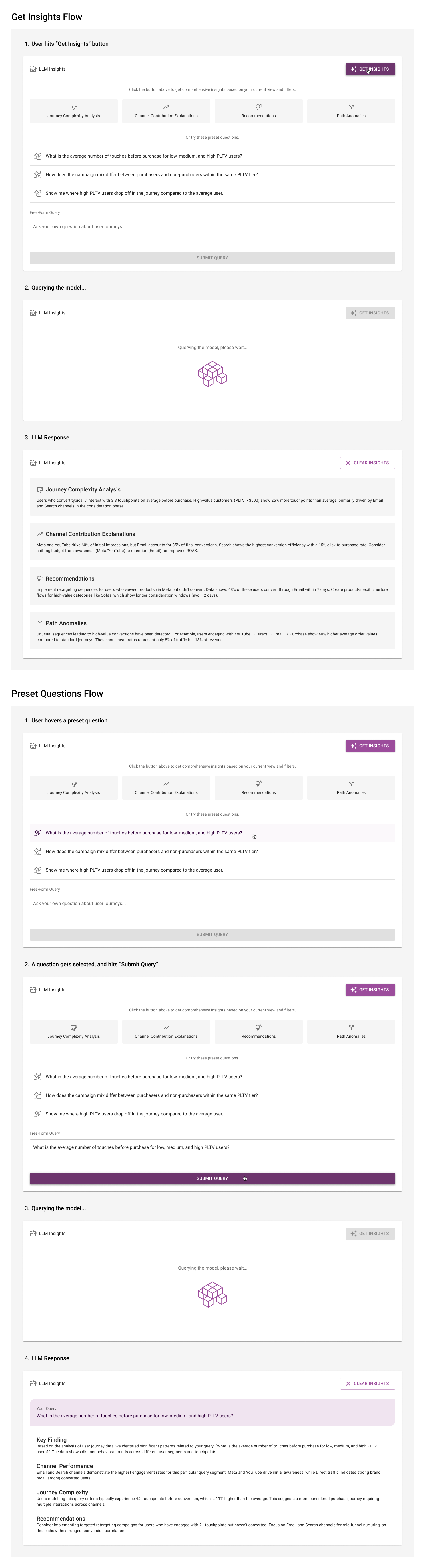
LLM Insights flow
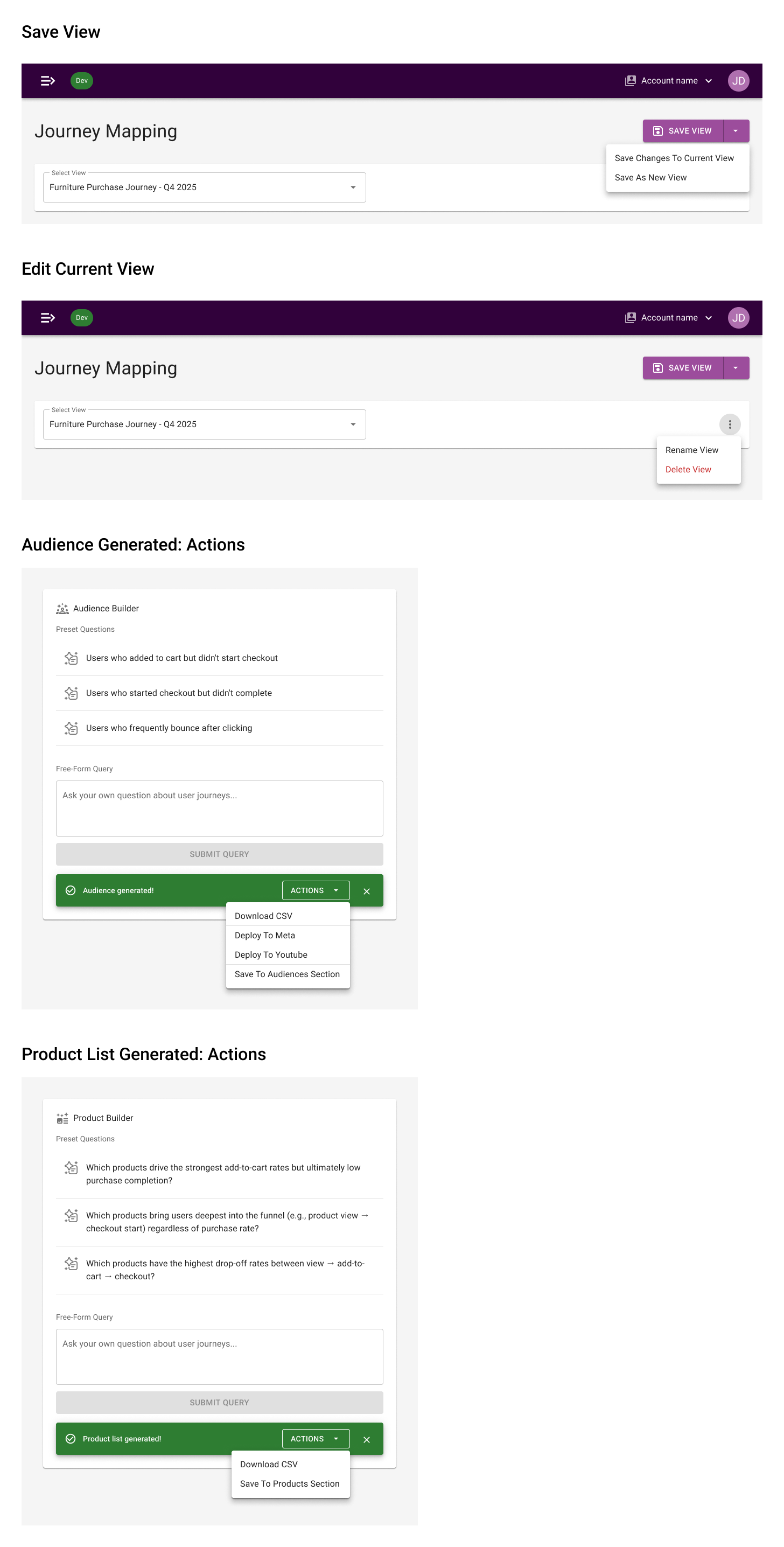
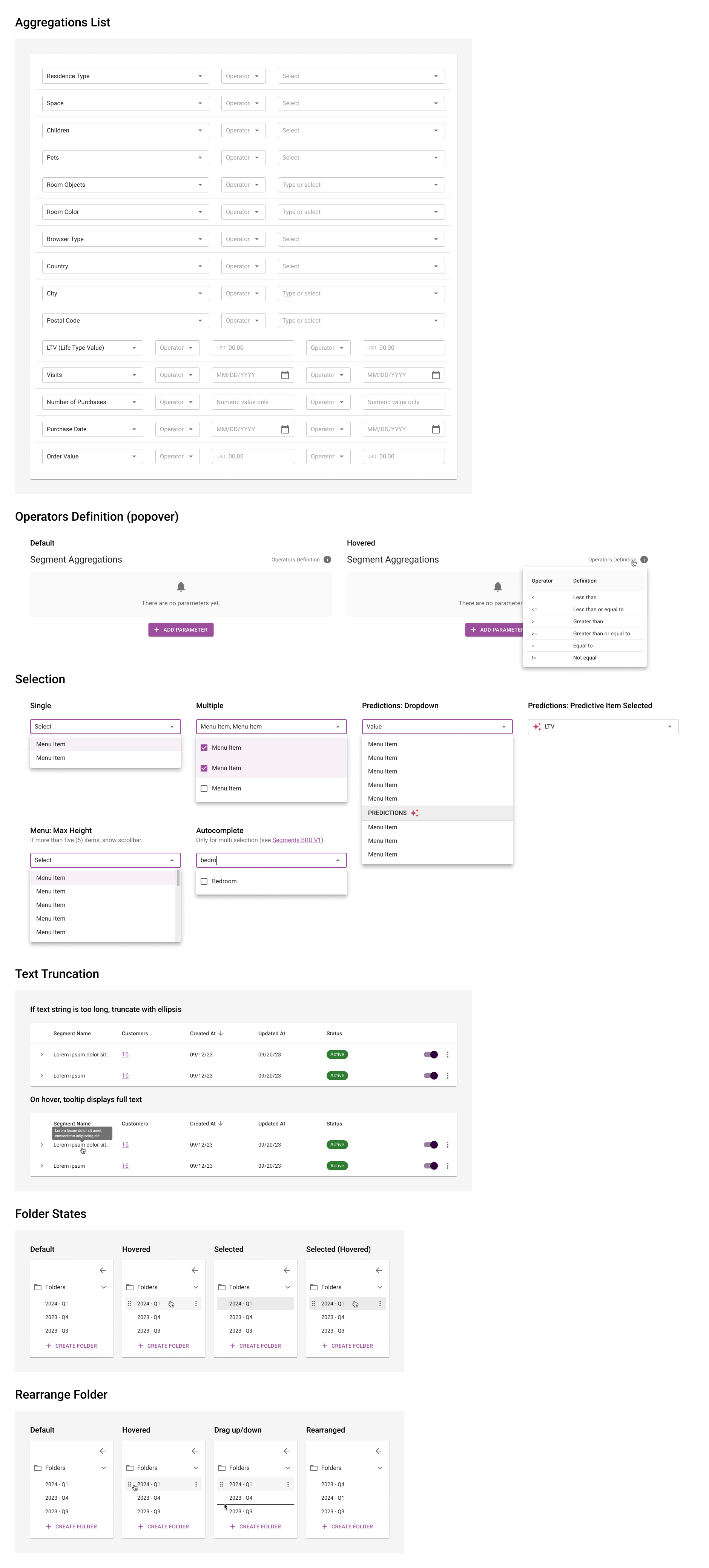
Drop-down Menus
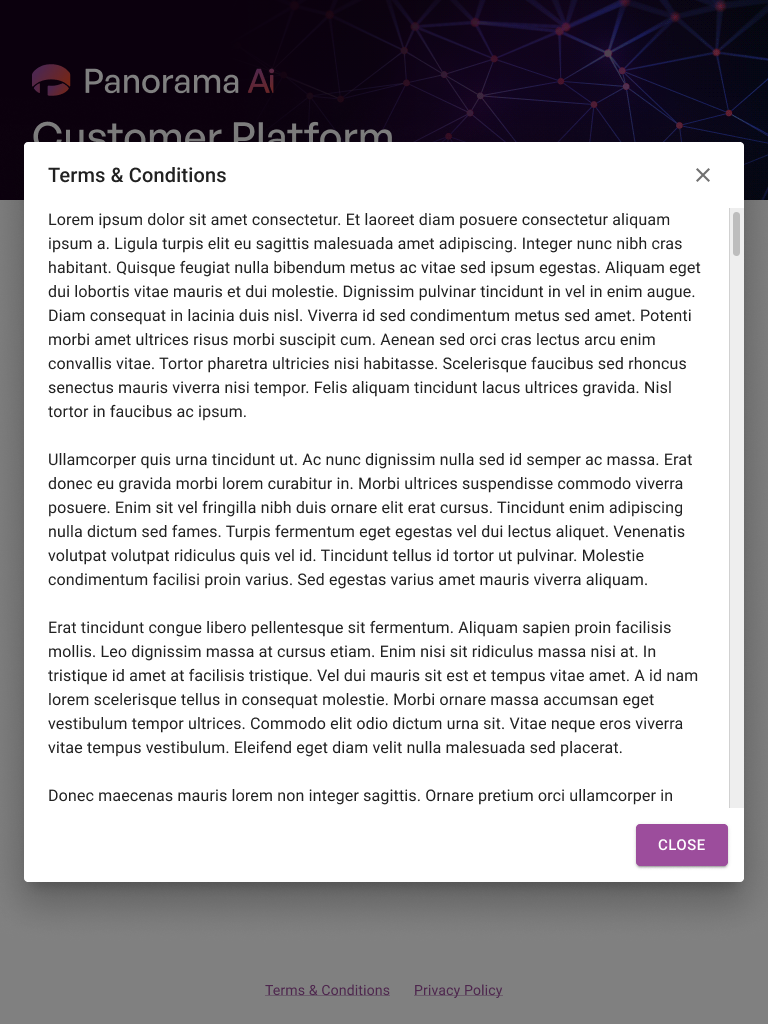
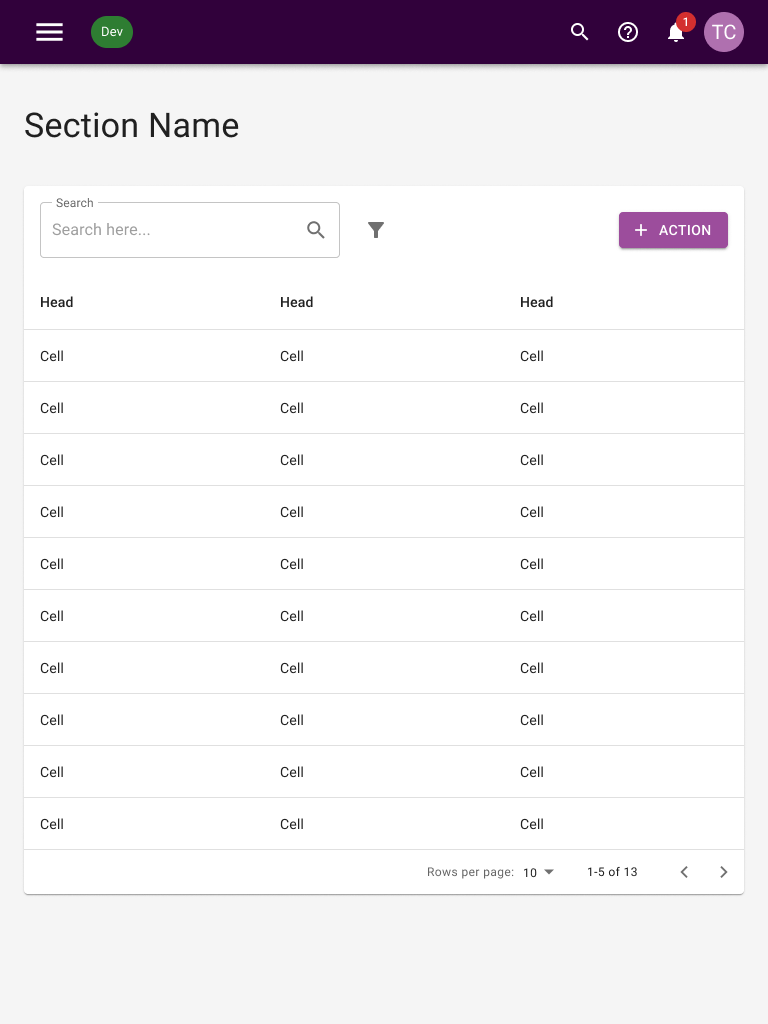
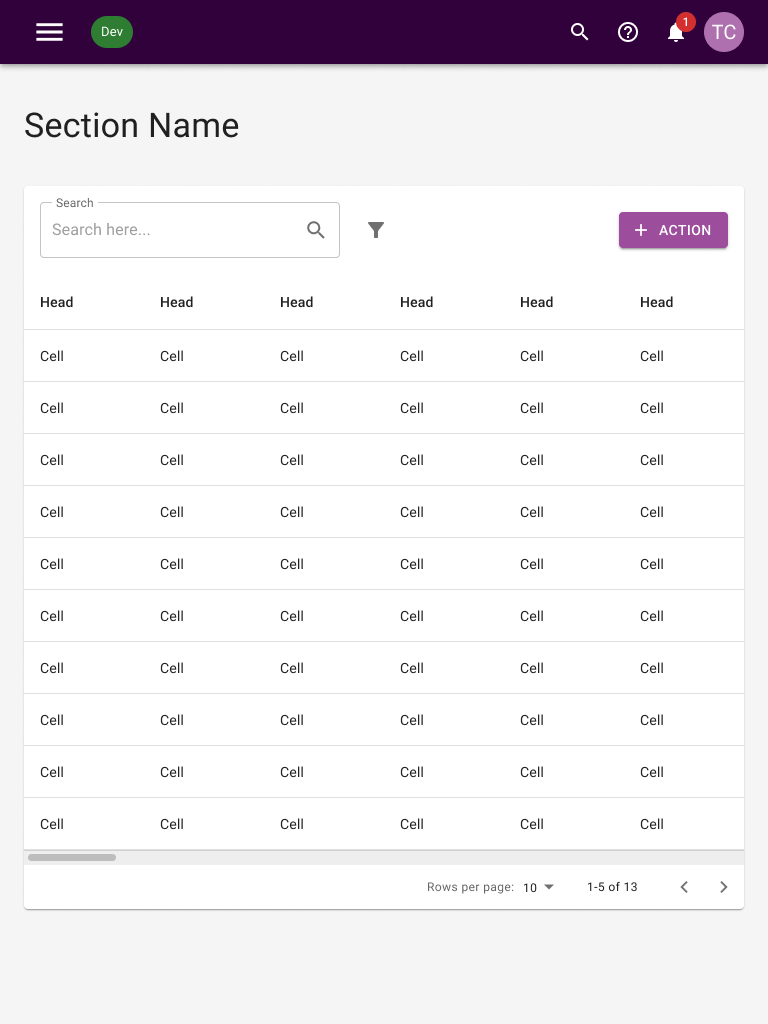
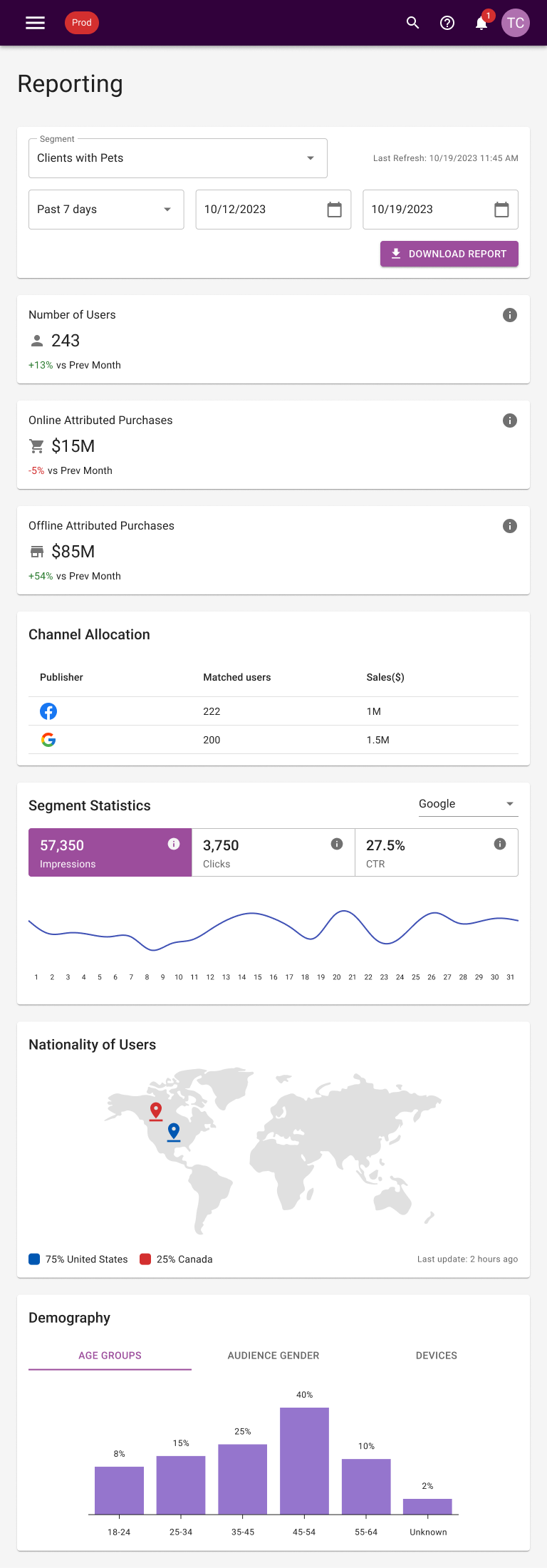
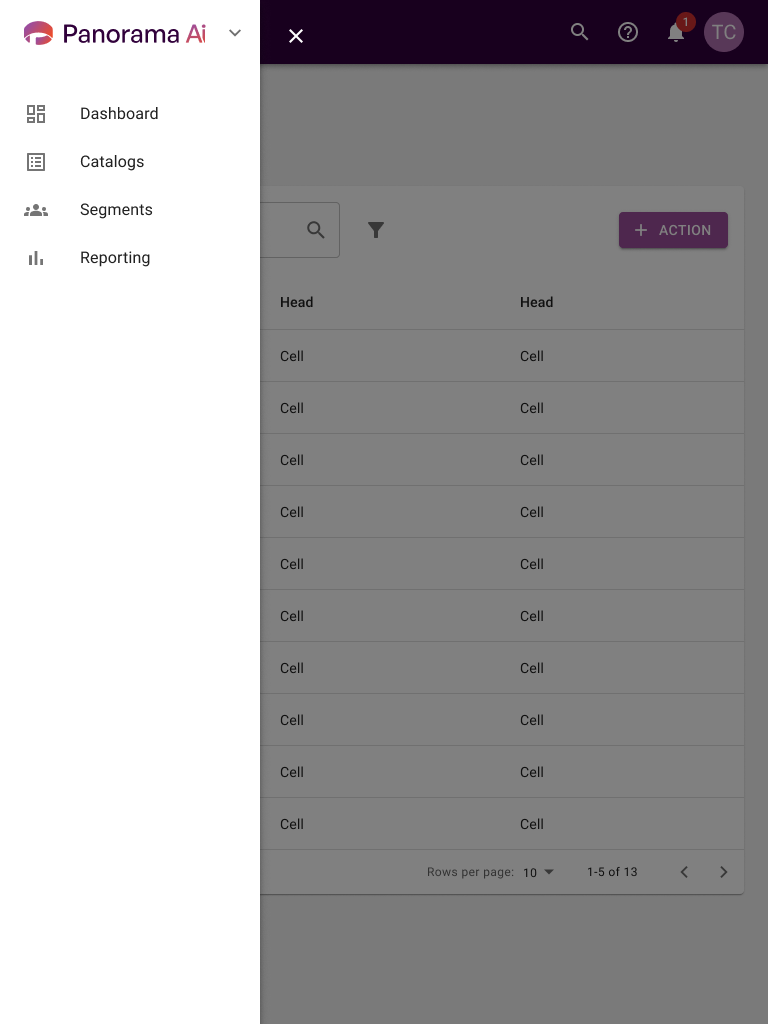
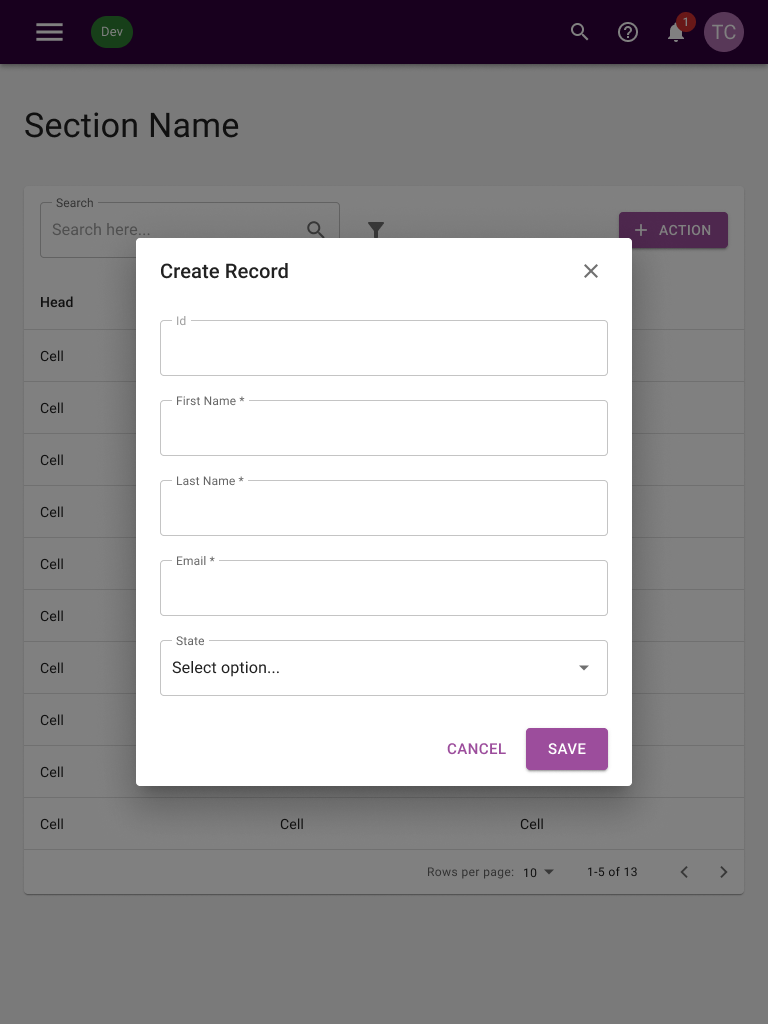
Responsive Design
Key screens adapted for tablet and mobile breakpoints.
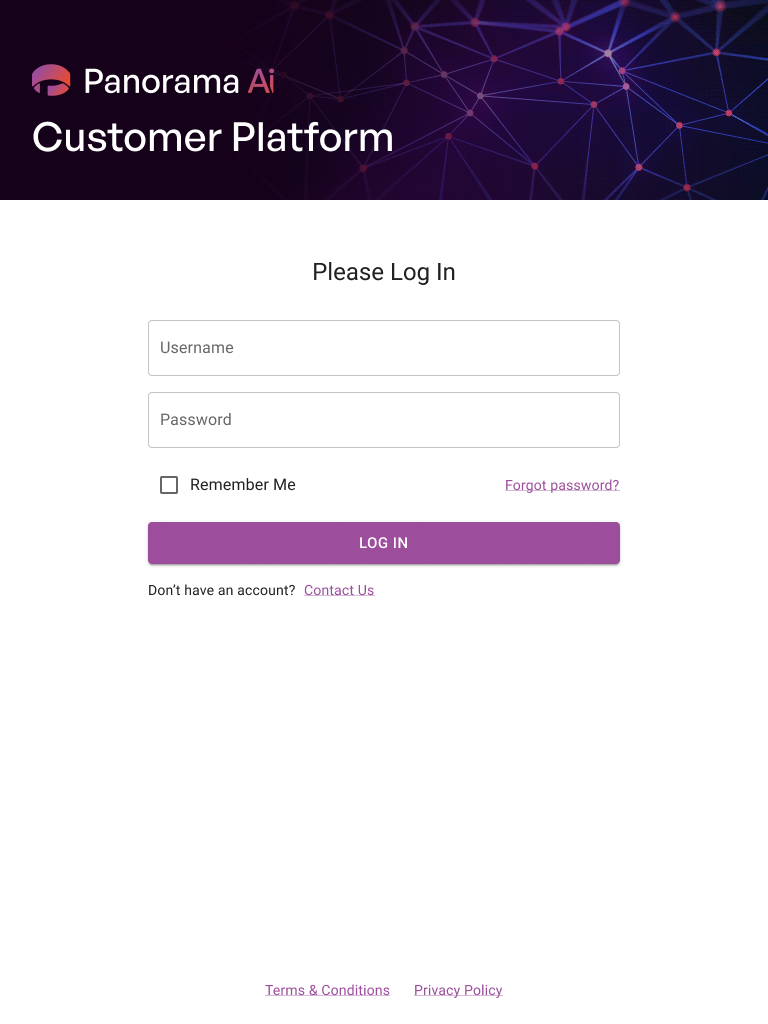
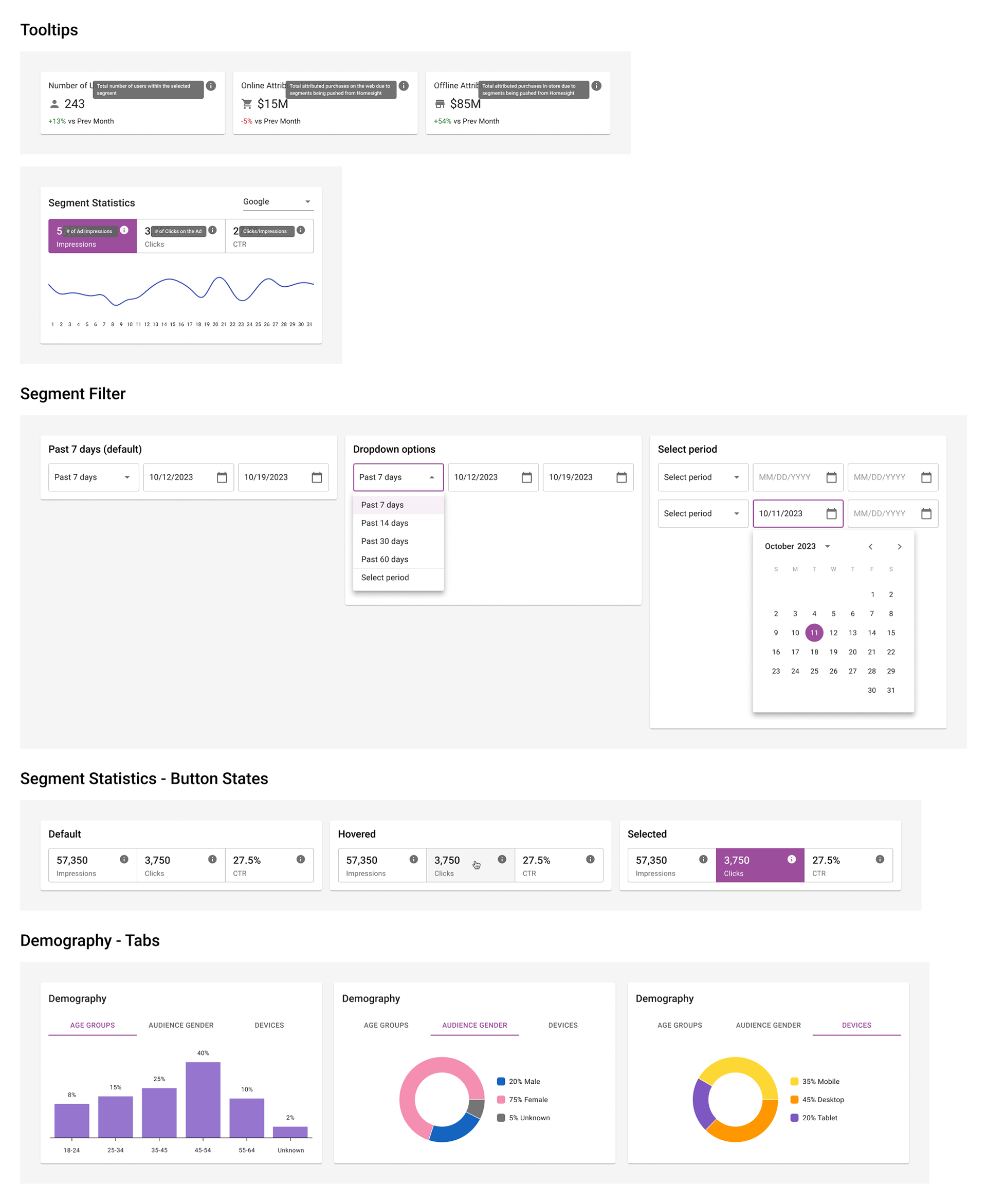
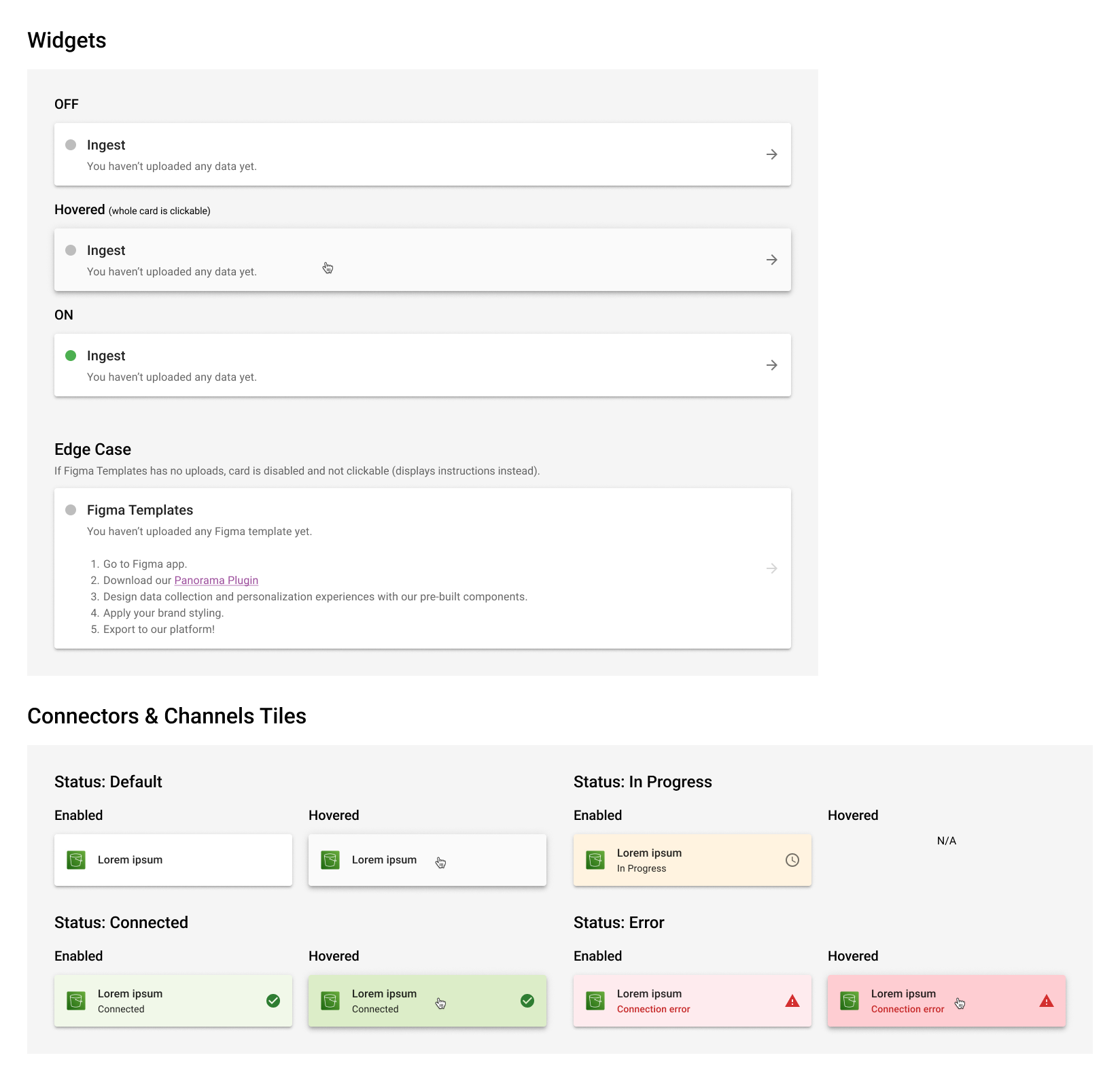
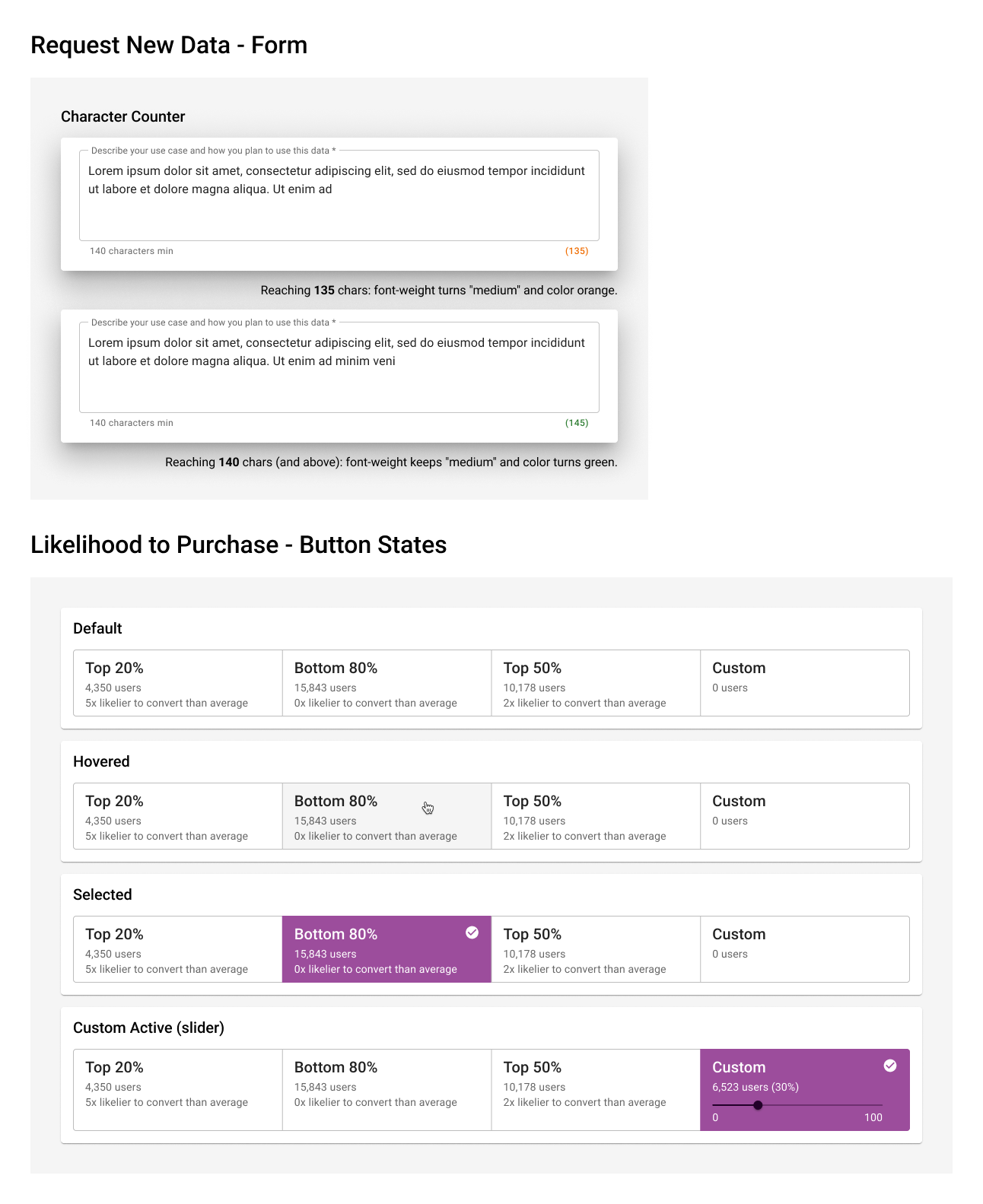
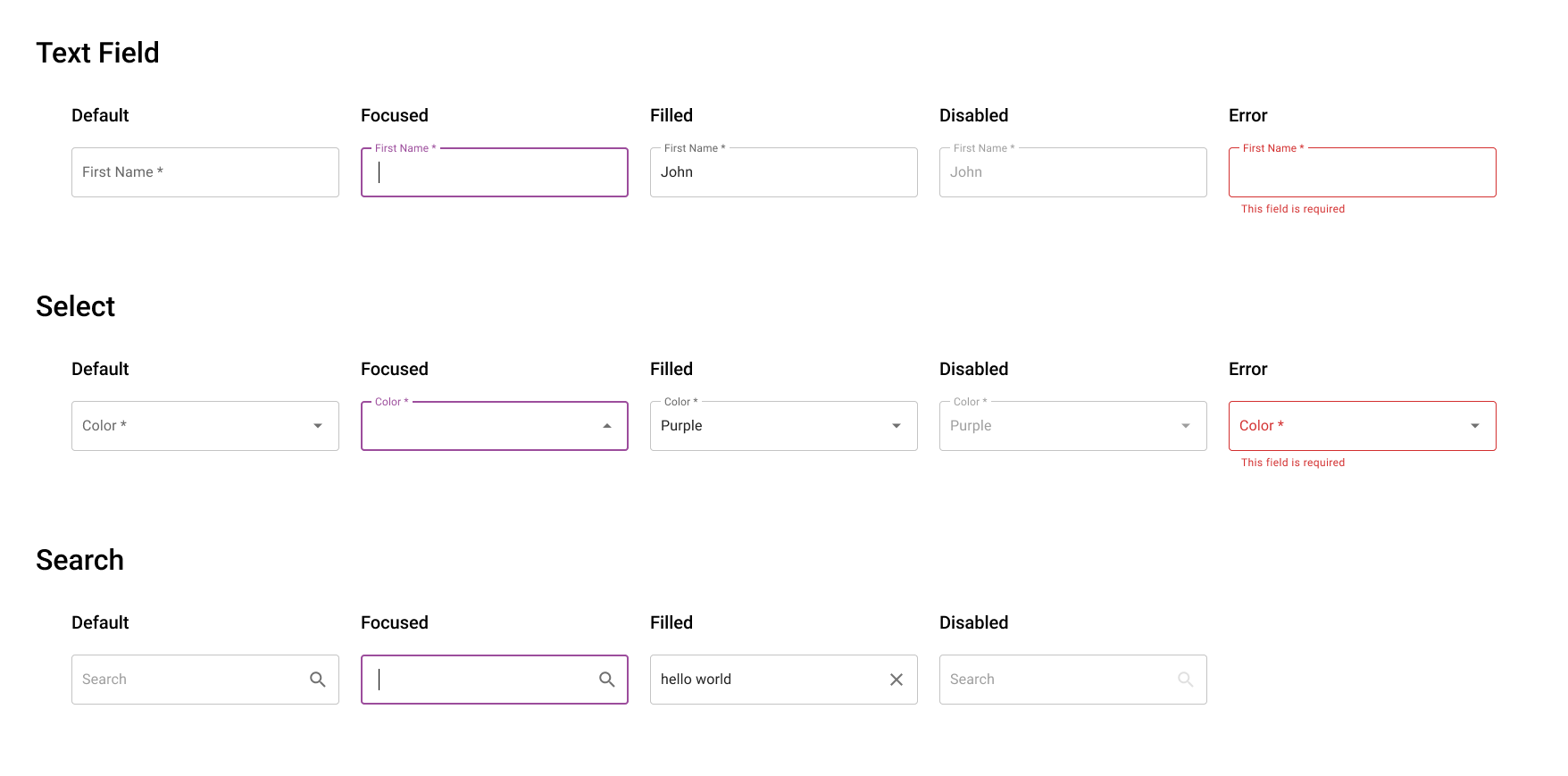
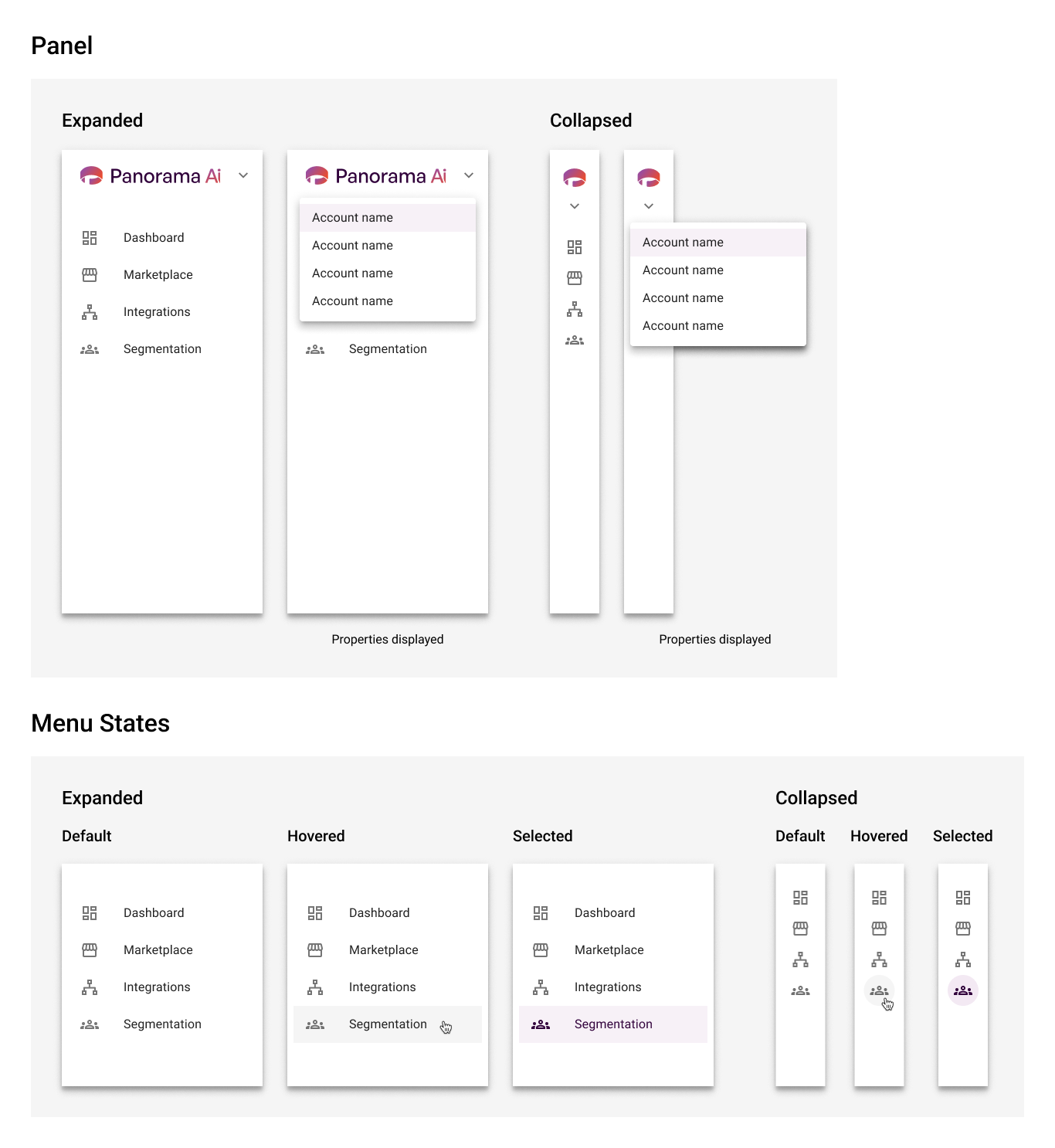
Design Specs
Annotated specs and component documentation prepared for the development team in Figma.
Web AR Viewer
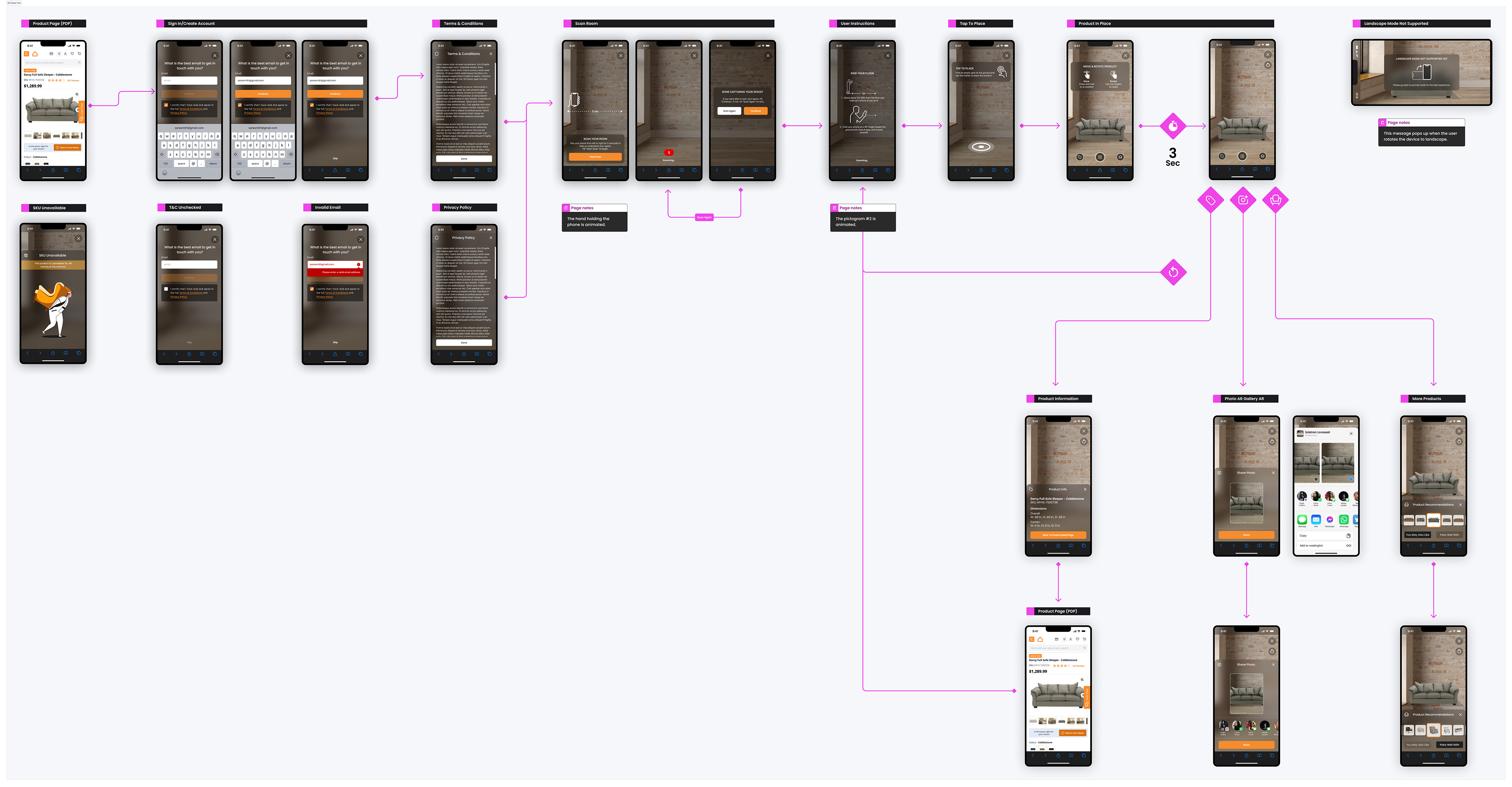
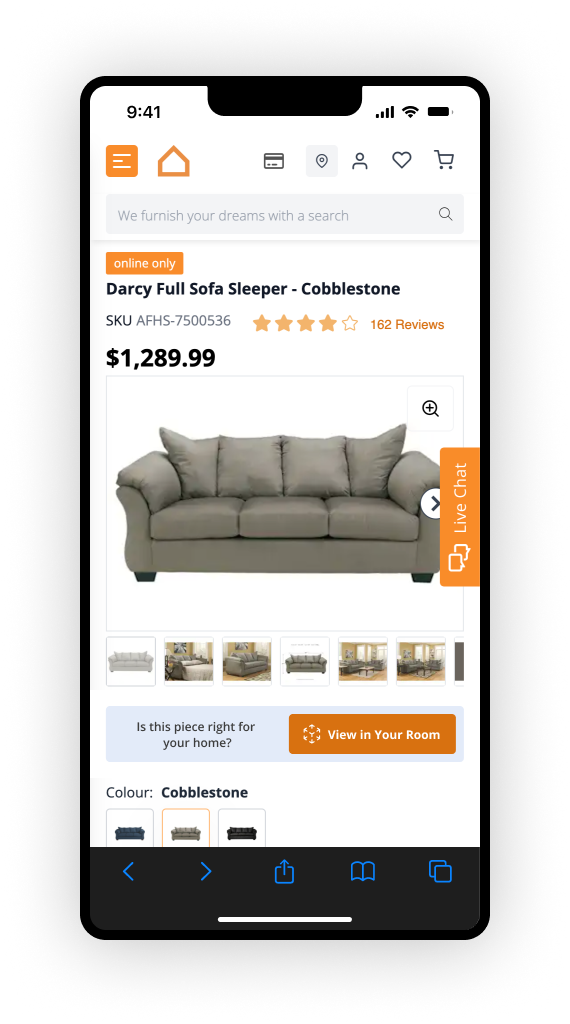
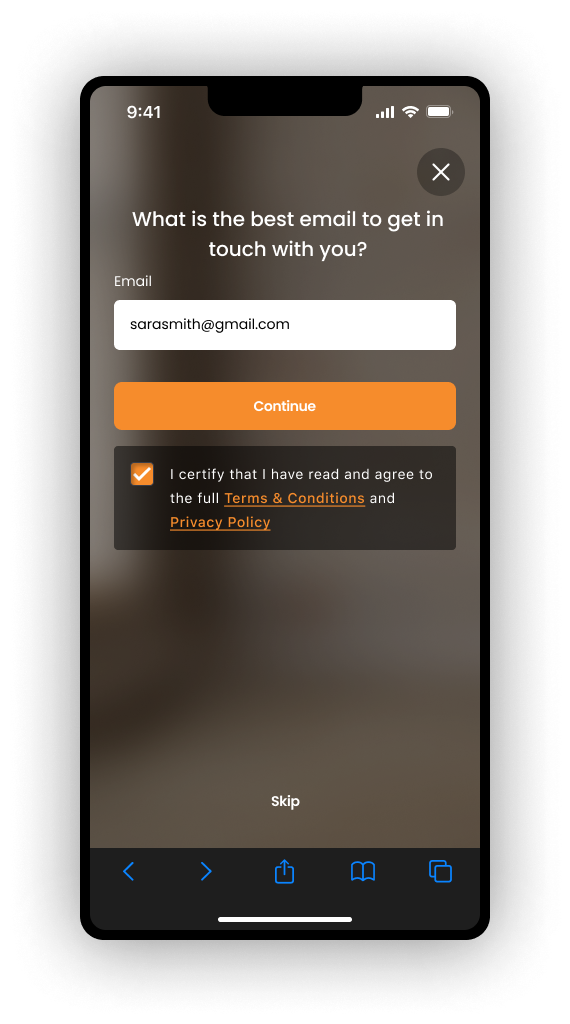
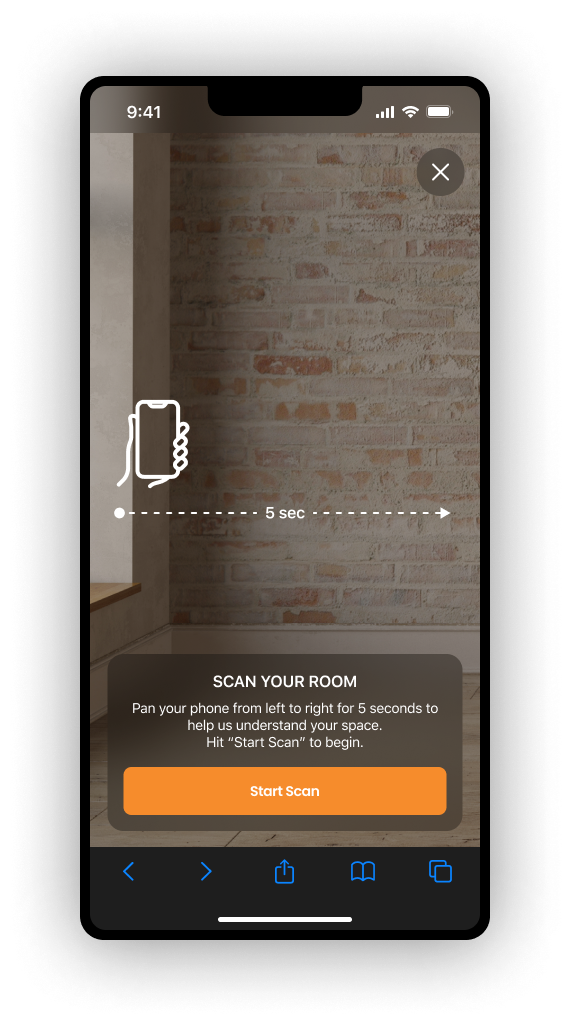
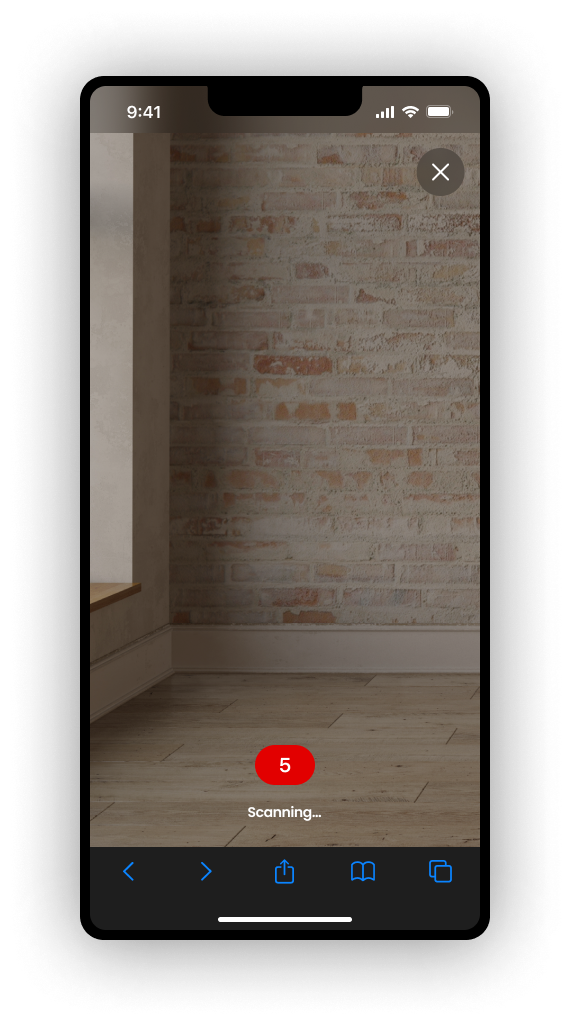
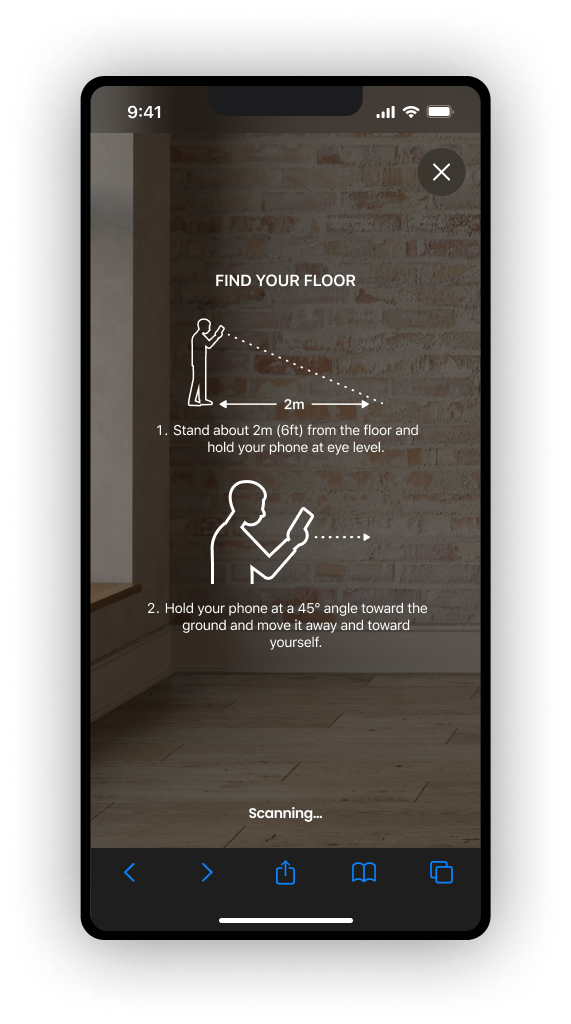
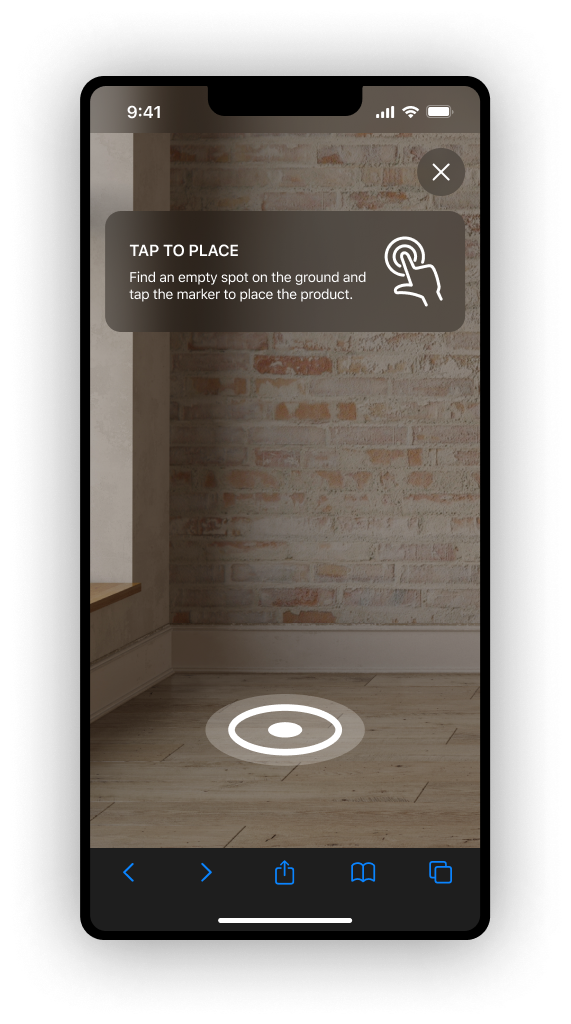
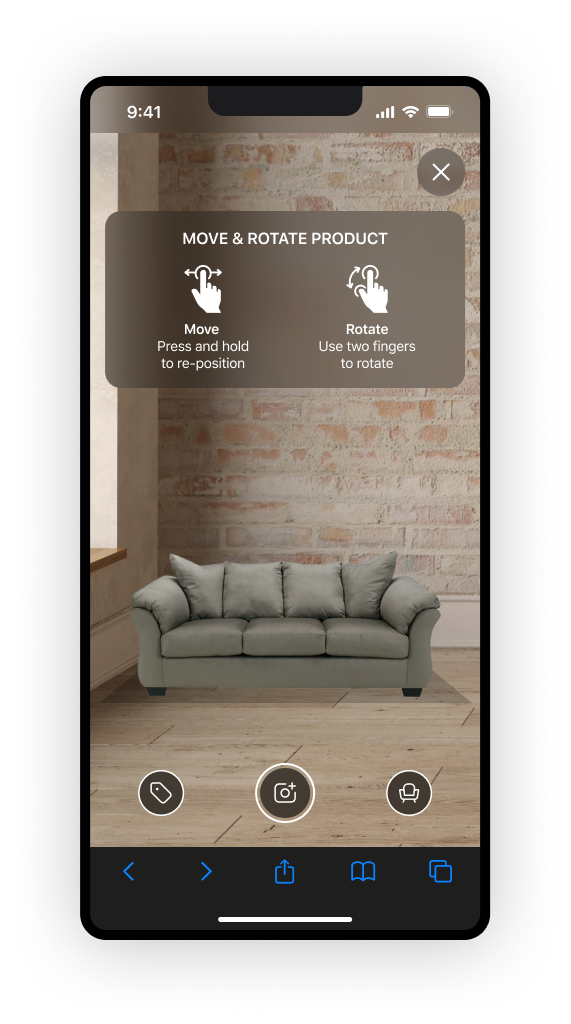
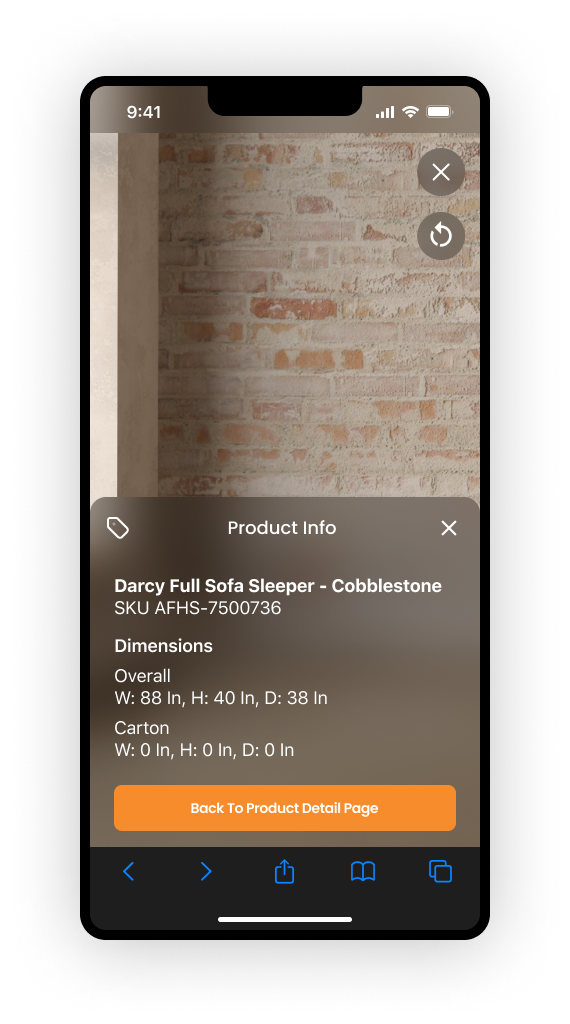
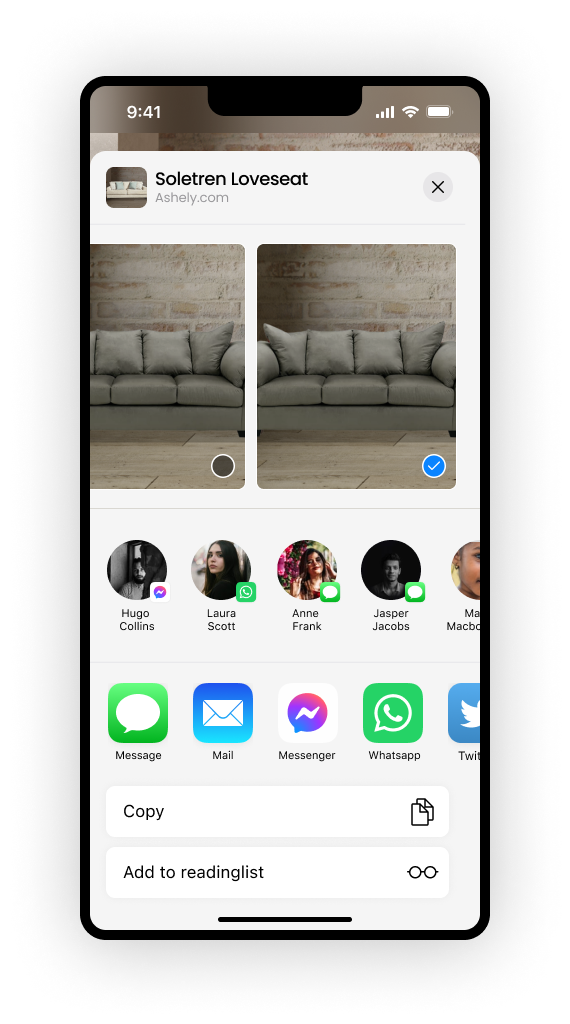
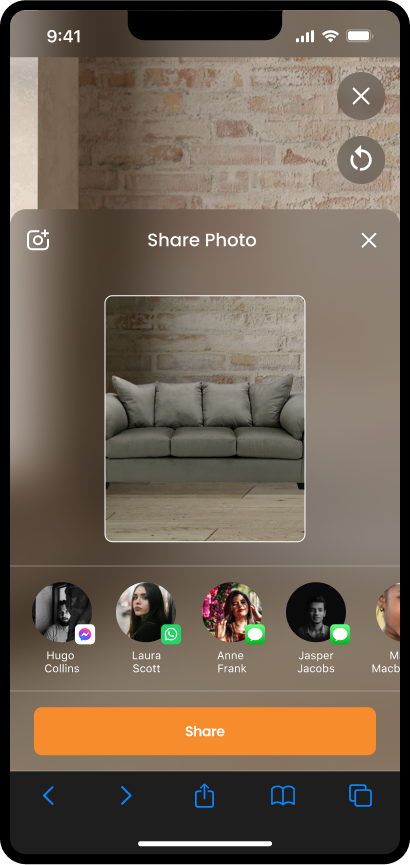
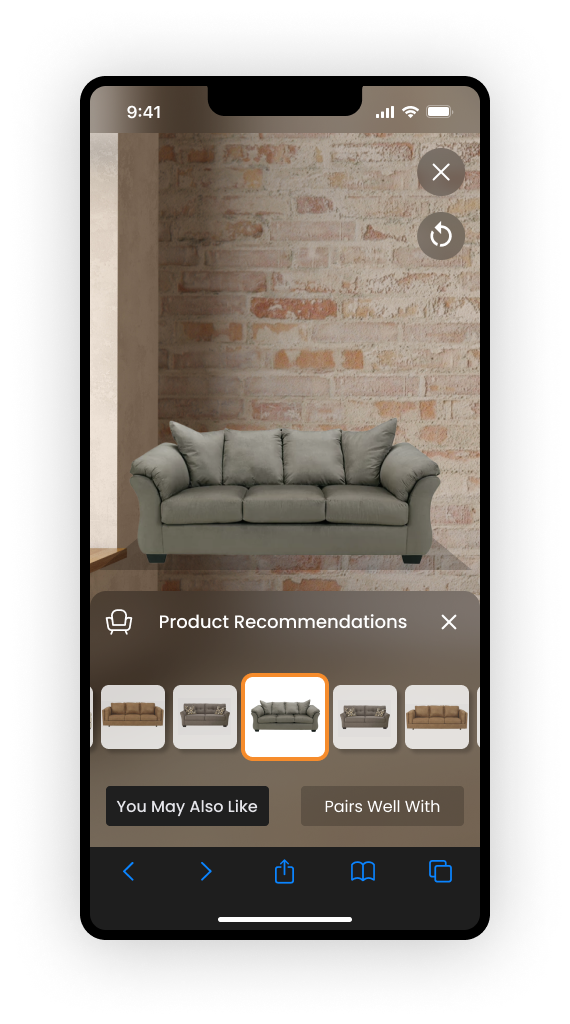
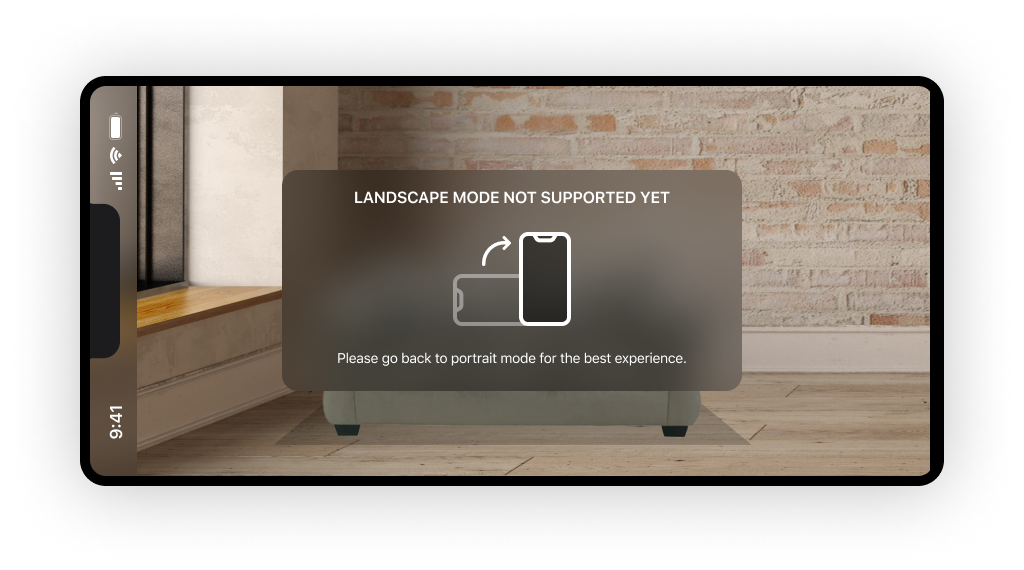
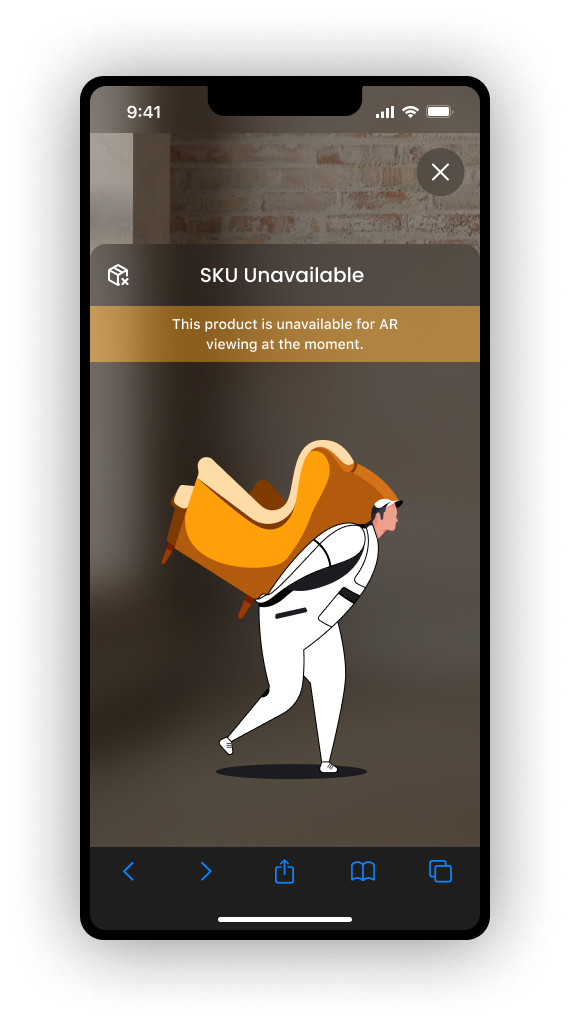
Designed the end-to-end experience for a furniture placement simulator using Augmented Reality, allowing customers to visualize products in their own space before purchasing. Through the device camera, the AR experience captures real-world spatial data that feeds back into the Panorama platform as customer behavior insights. The focus was on minimizing the number of steps, providing clear visual guidance throughout, and delivering an intuitive and frictionless experience.
Driver Delivery Survey
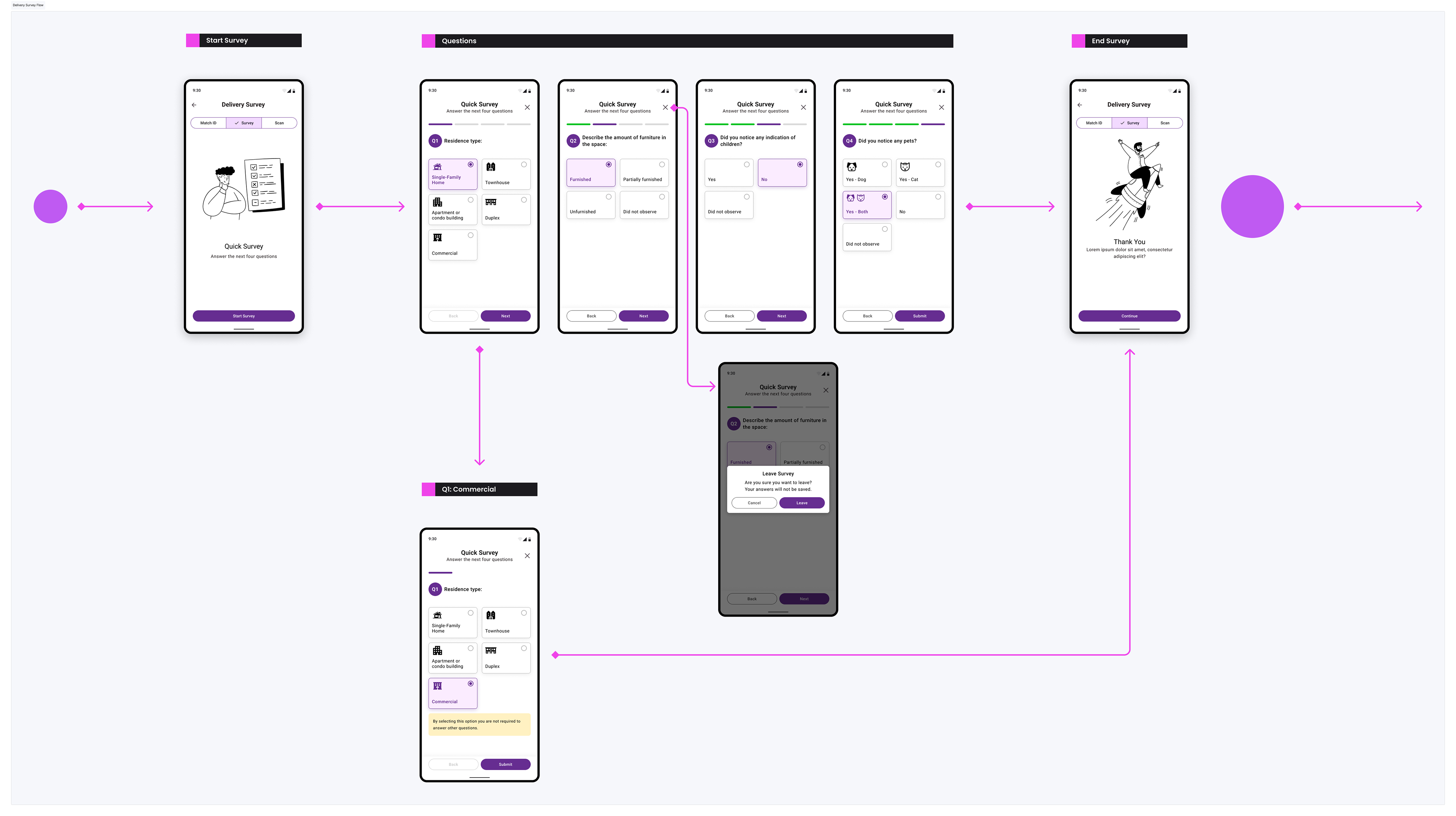
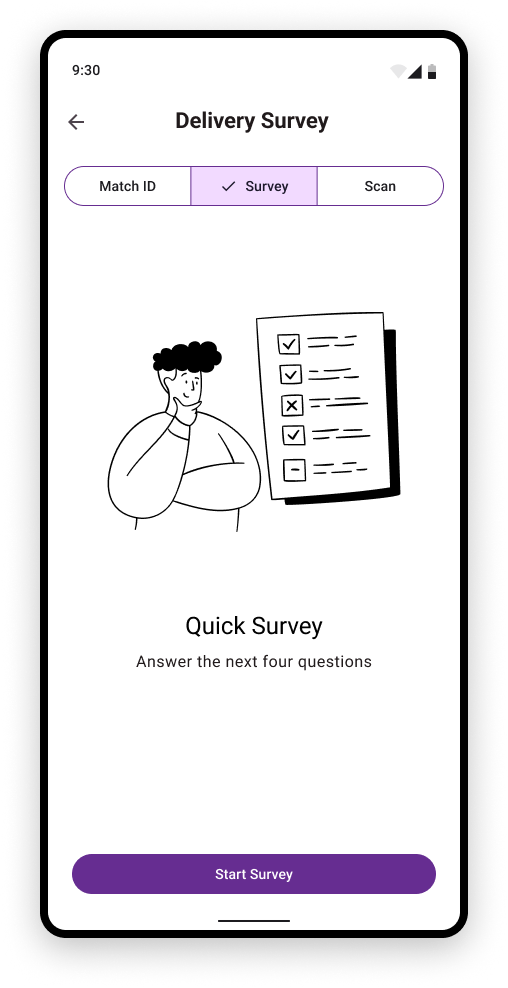
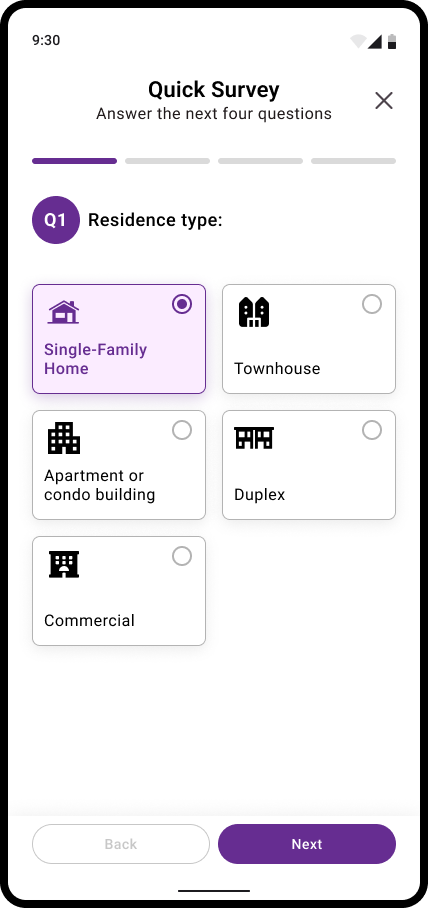
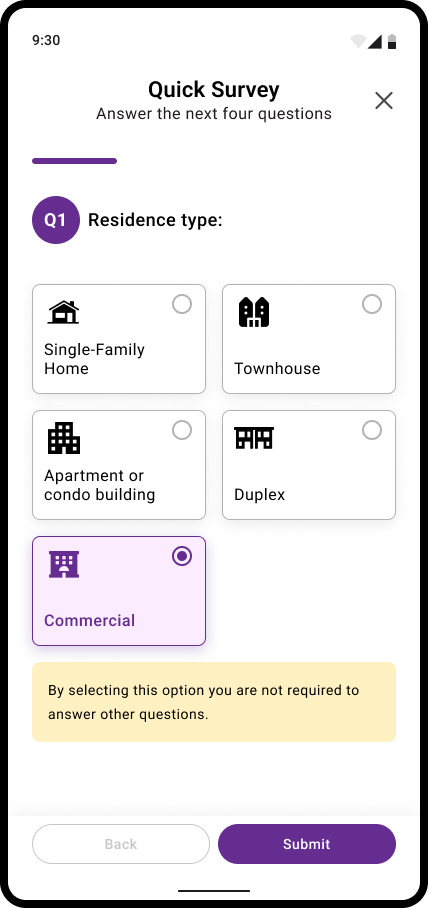
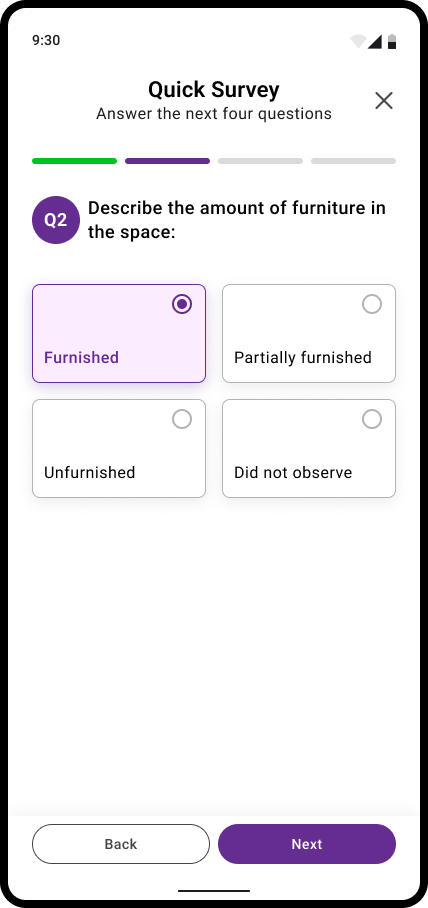
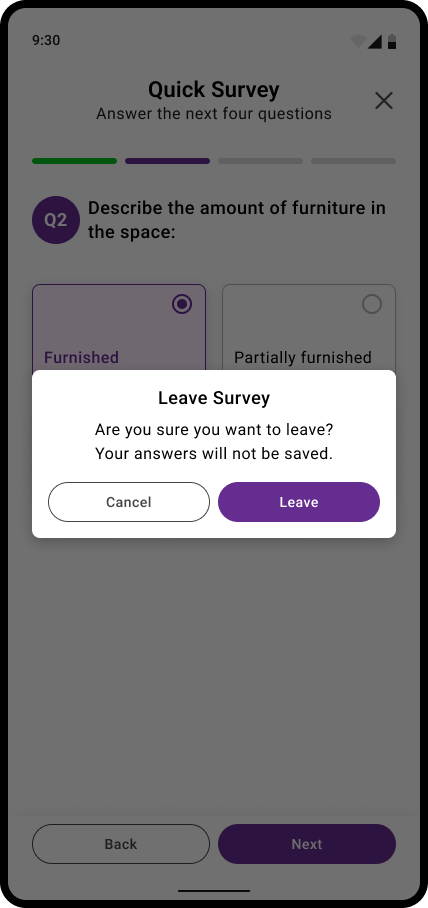
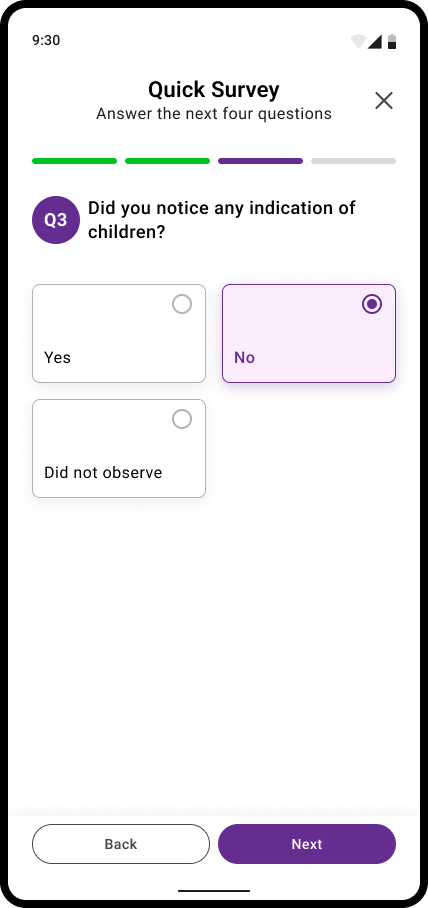
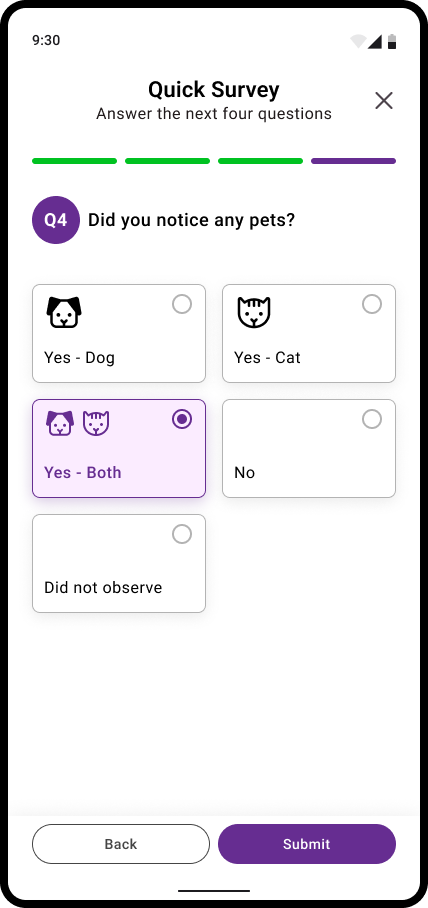
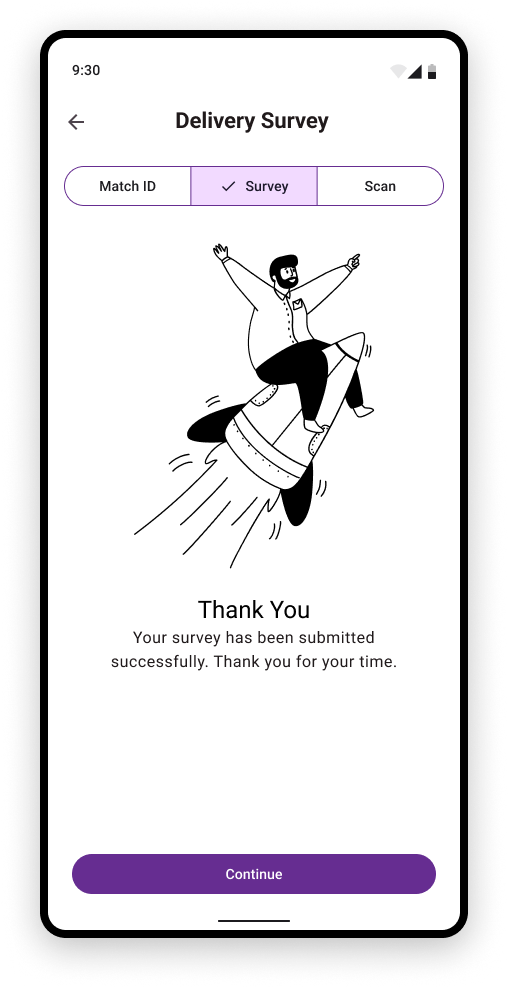
Mobile app designed for delivery drivers to collect structured customer insights at the point of delivery, feeding data back into the Panorama platform. A Customer Pre-delivery Survey already existed (built by the client), but it was too long, scroll-heavy, and time-consuming — creating unnecessary friction during completion. For the driver survey, we shifted the approach: reducing the number of questions, optimizing the flow, and making it more visual and intuitive. The focus was on simplifying the experience and making the workflow faster and easier to complete.
Branding Design
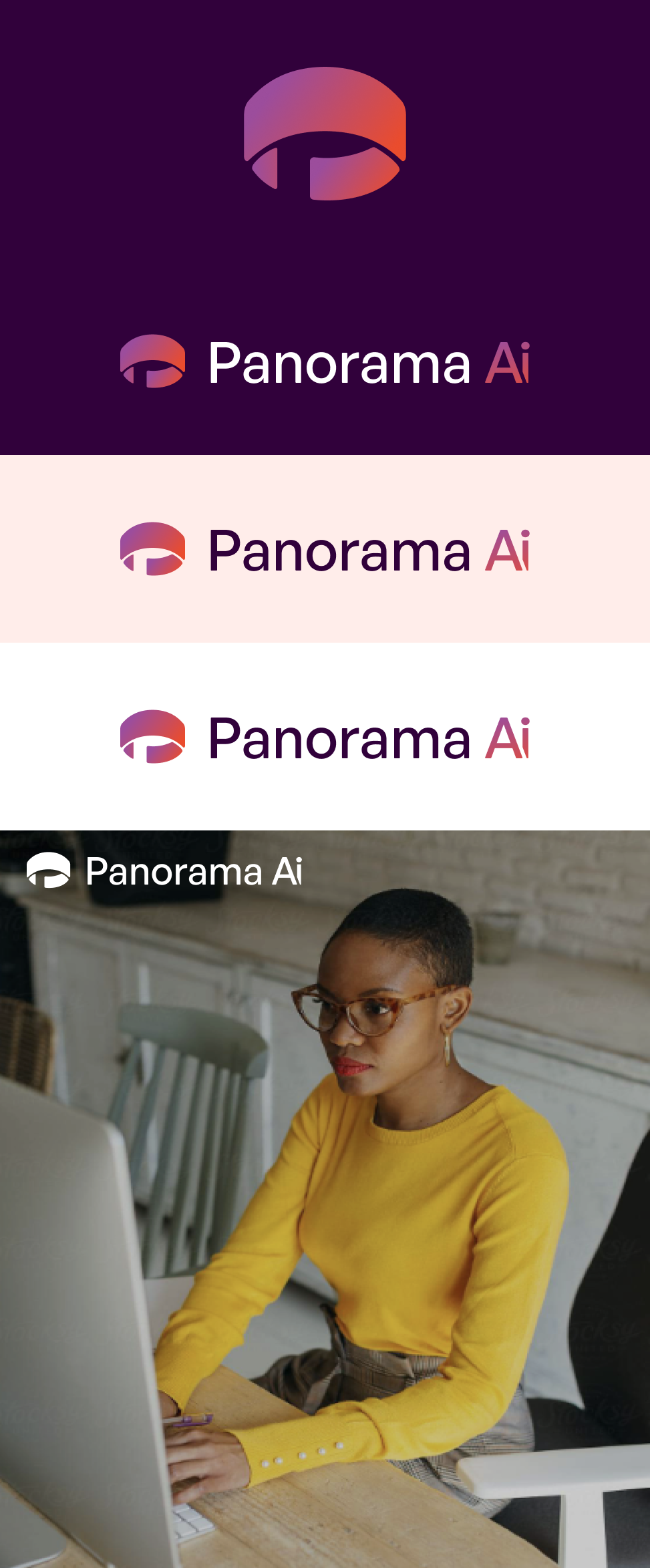
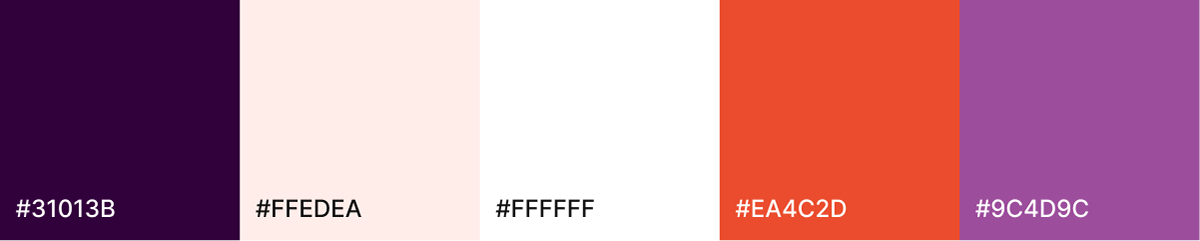
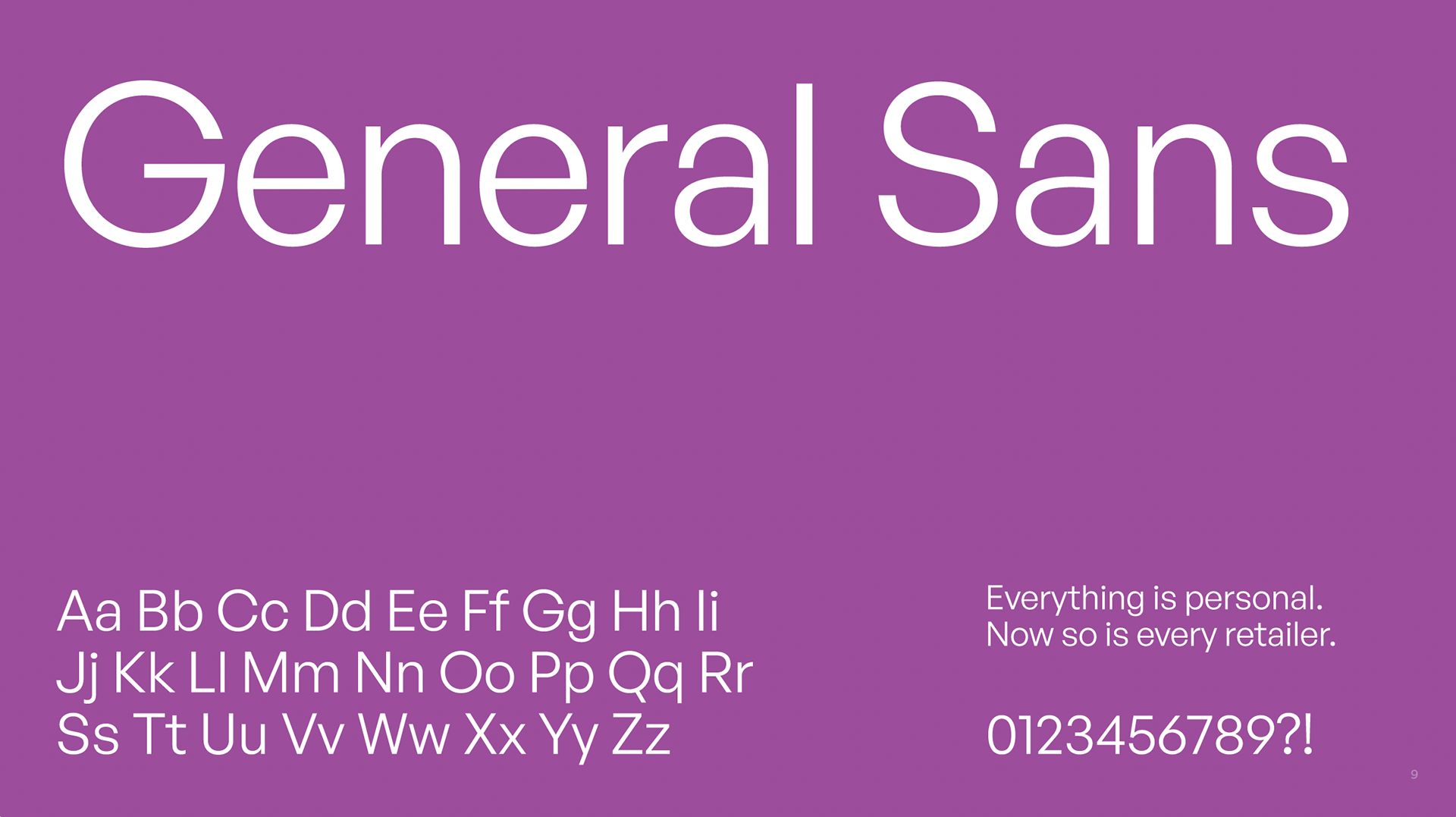
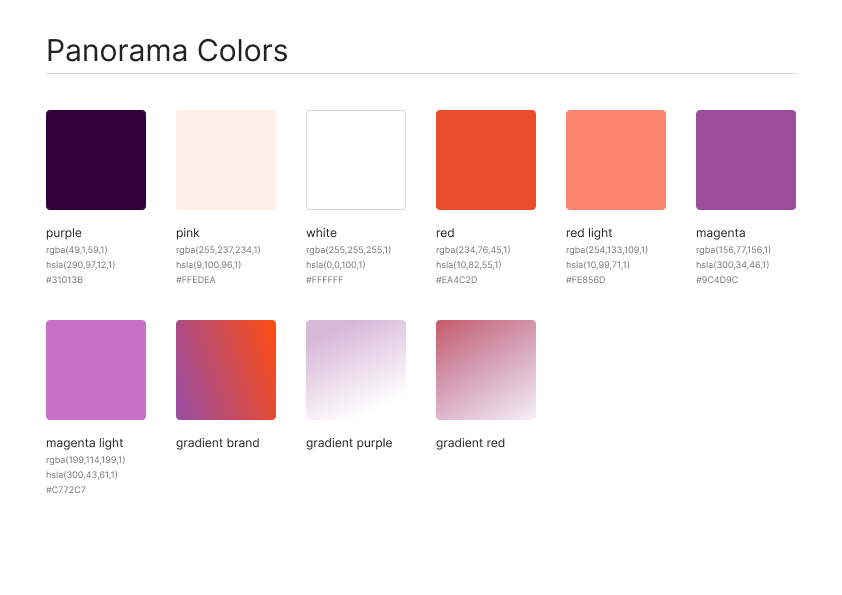
Developed the full brand identity for Panorama AI from scratch: logo, color palette, and typography — applied consistently across product, website, and marketing materials.


Go To Market Website
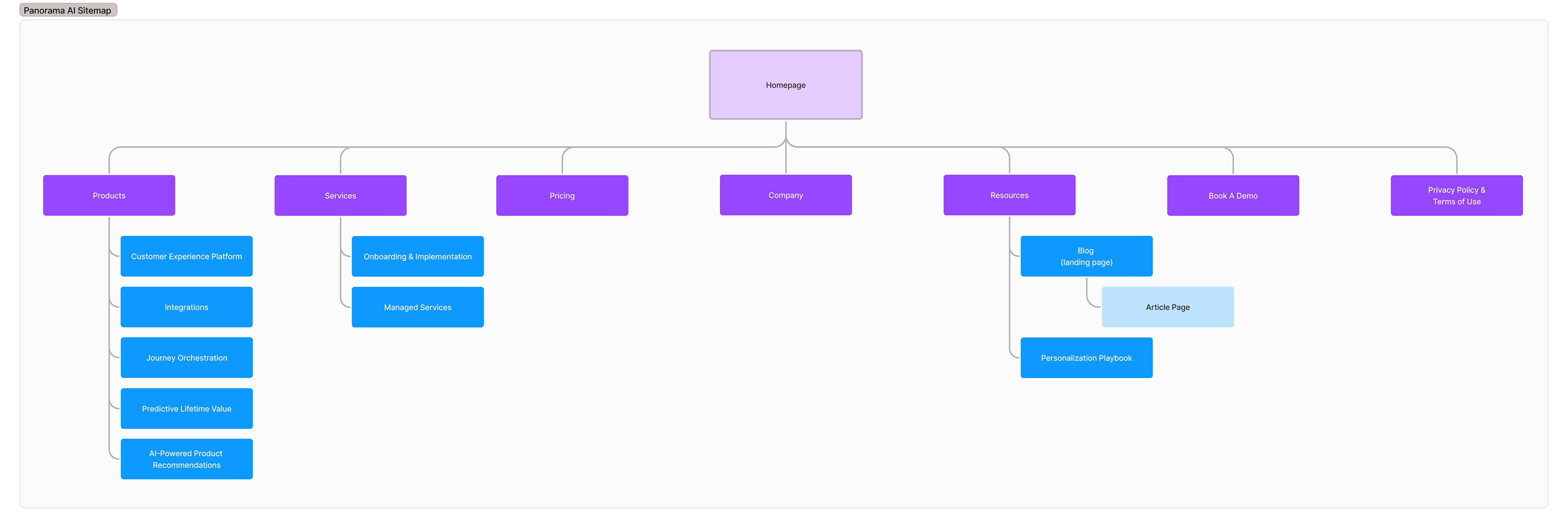
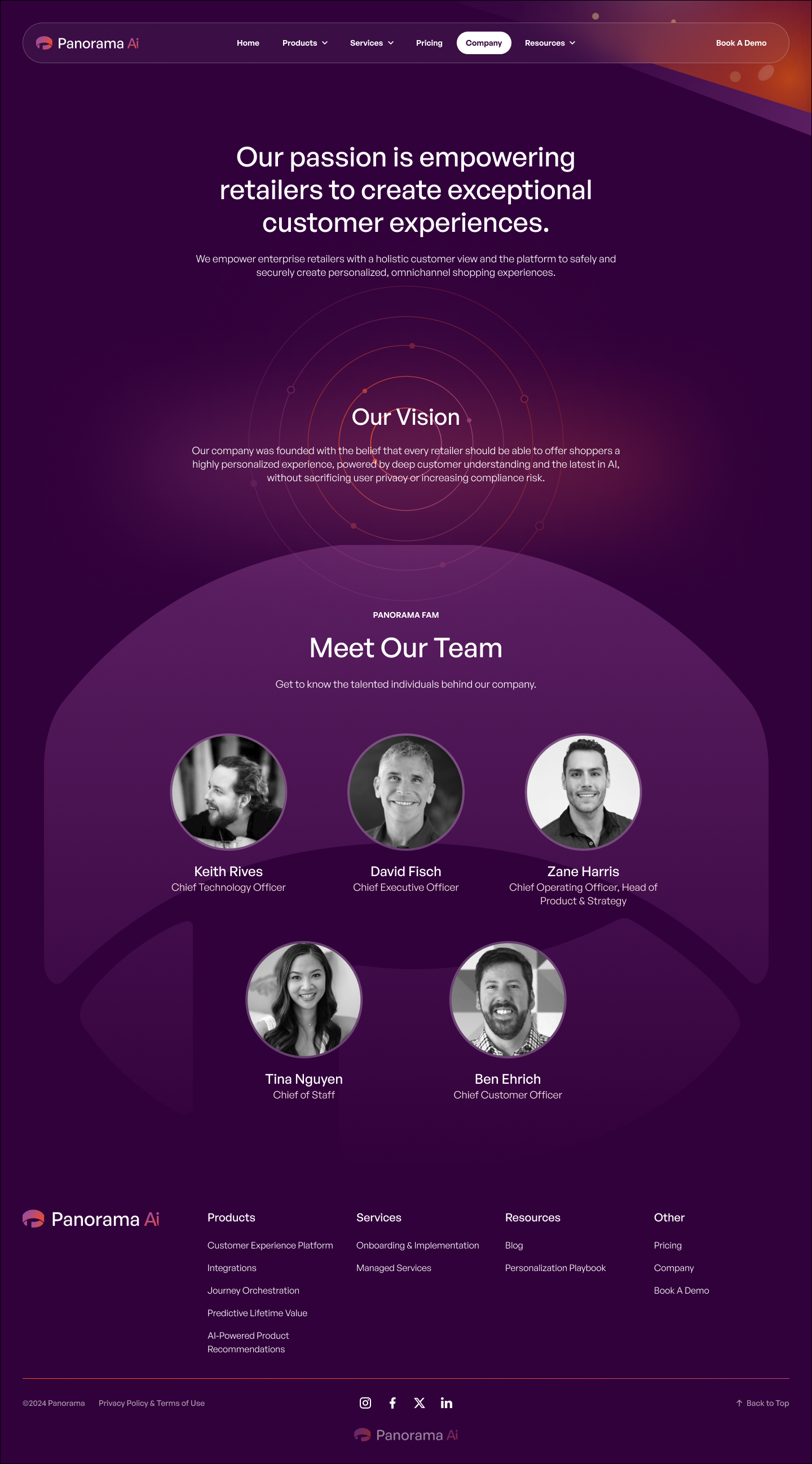
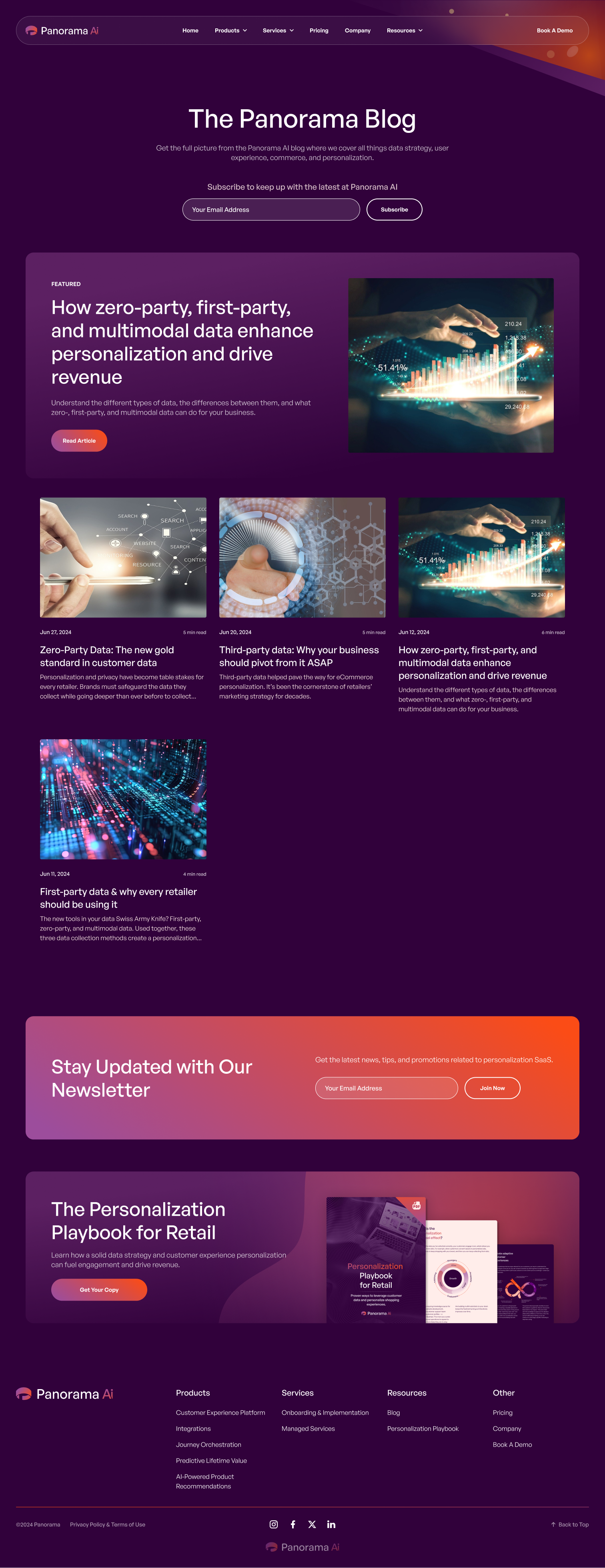
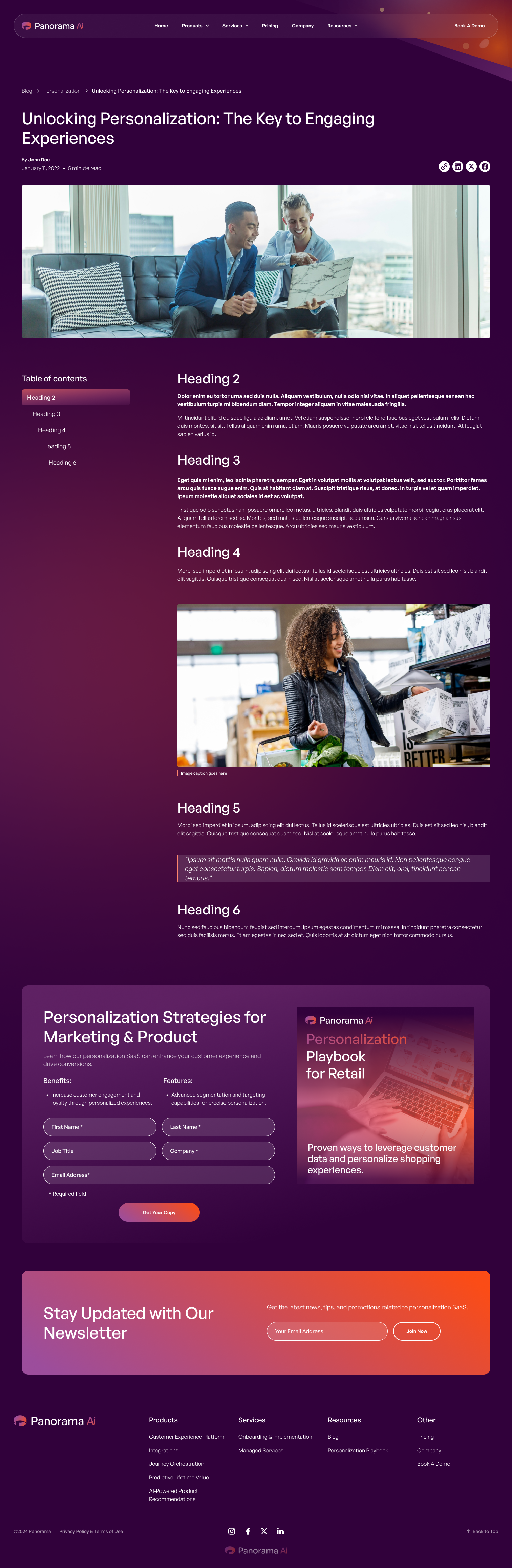
Designed the full website to introduce Panorama AI to the market — covering brand narrative, product value proposition, and lead generation. Subtle Lottie animations were incorporated to enhance visual engagement and align with current web design trends. I used Relume’s AI-powered sitemap and wireframe generation to accelerate the early structuring phase, refining the output in Figma before applying Panorama’s design system. Layouts and components were designed for handoff to a Webflow-specialized development agency.
Sitemap
Defined the site structure and content hierarchy before jumping into visual design.
Desktop Resolution
Full-width layouts designed for large screens, prioritizing clarity and visual impact.

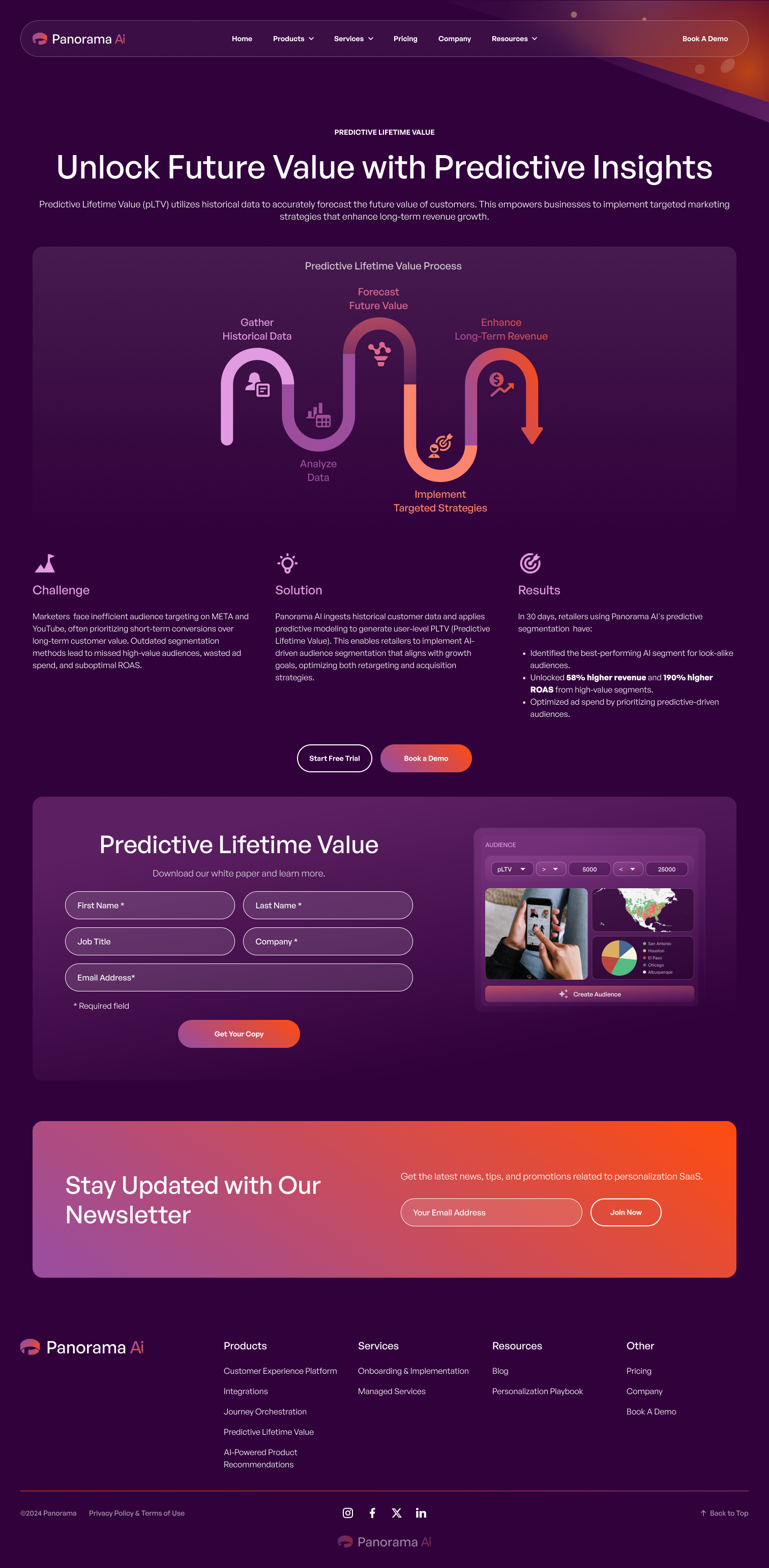
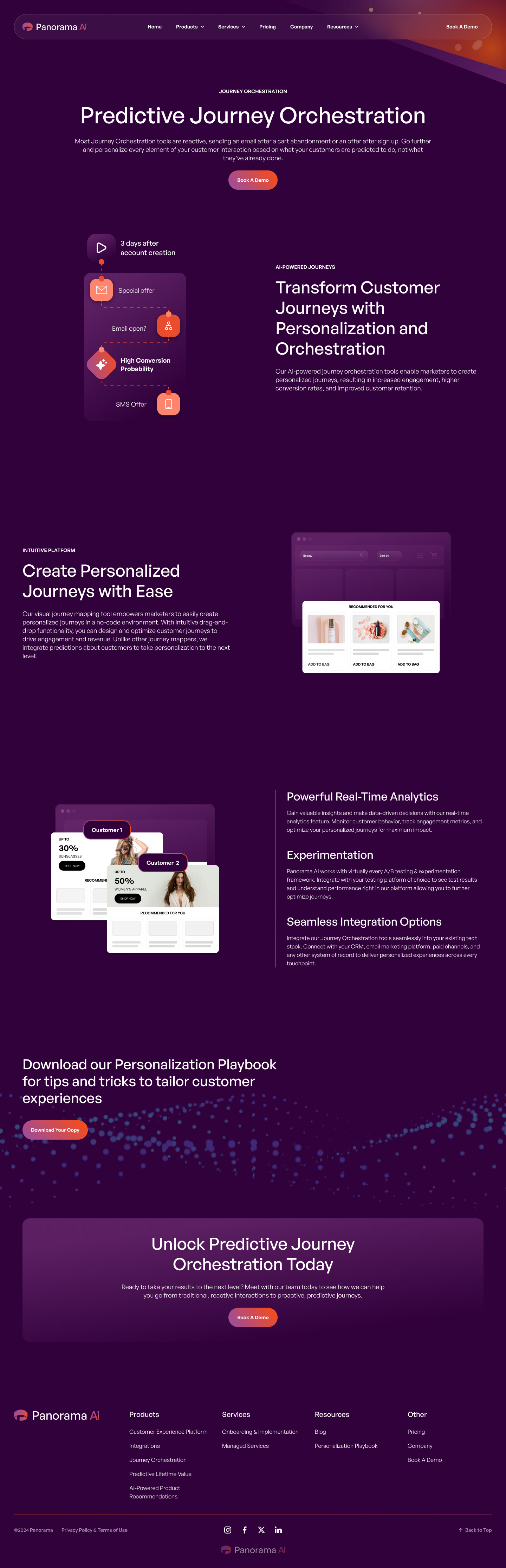
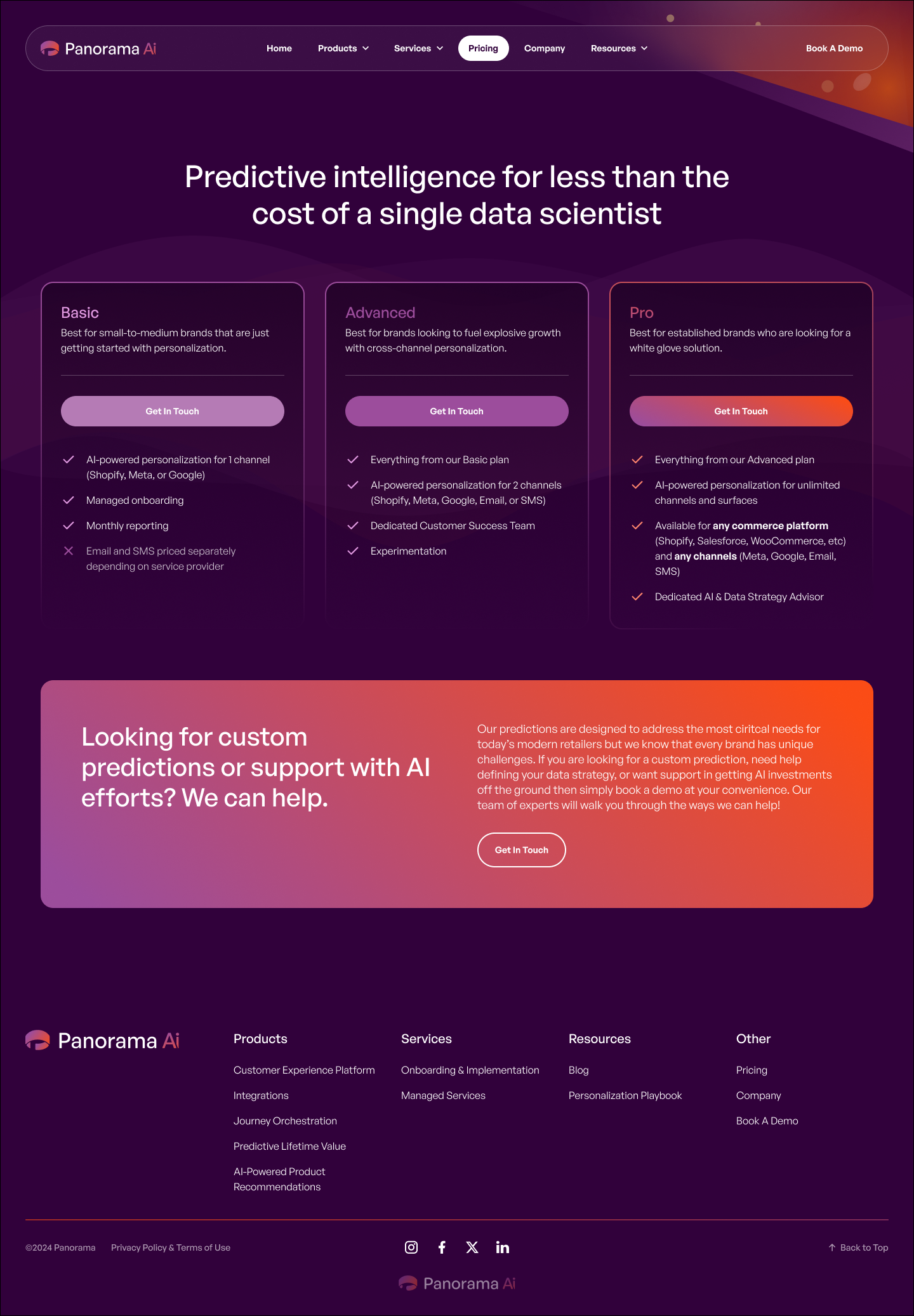
Mobile Resolution
All screens adapted for touch navigation and smaller viewports.







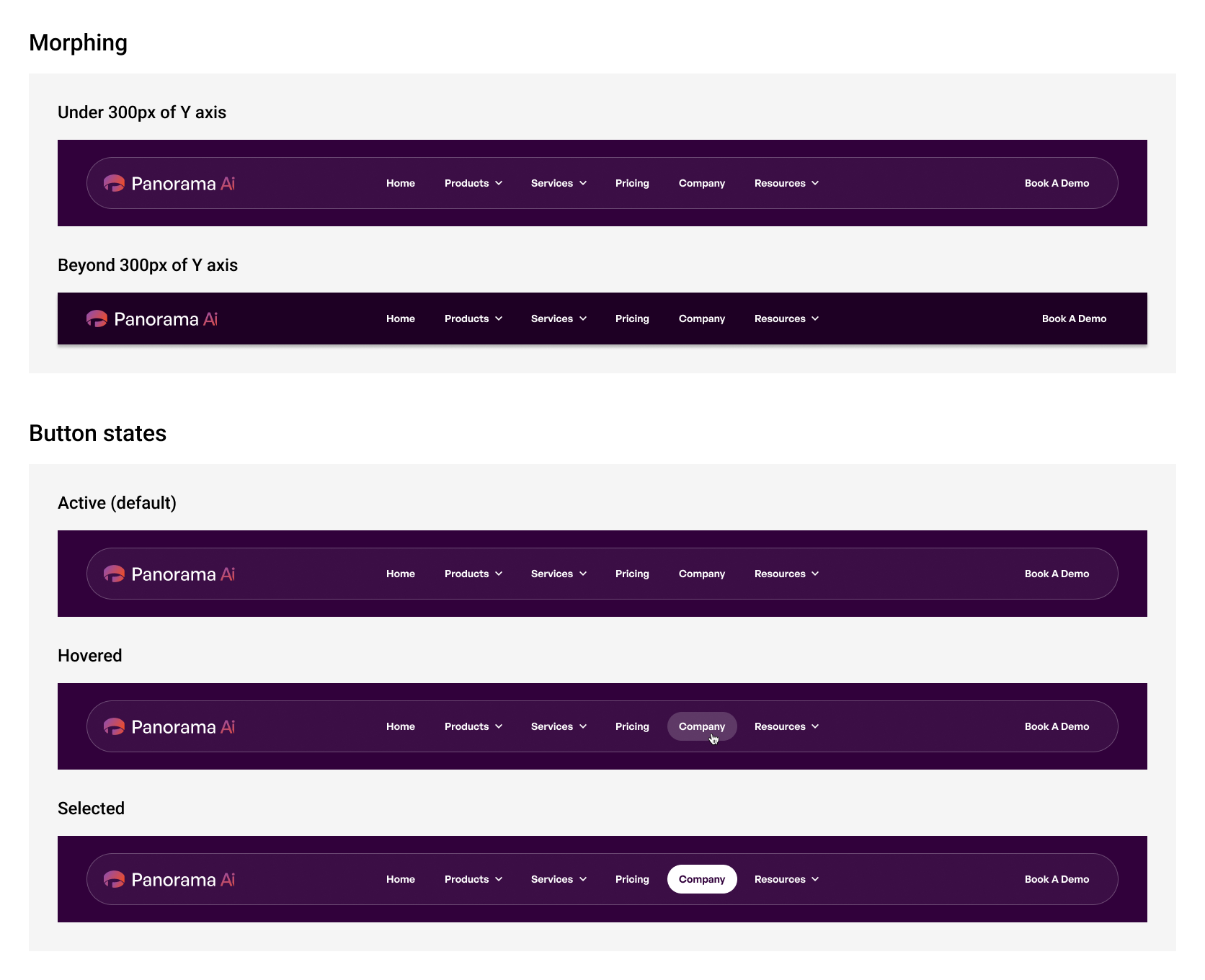
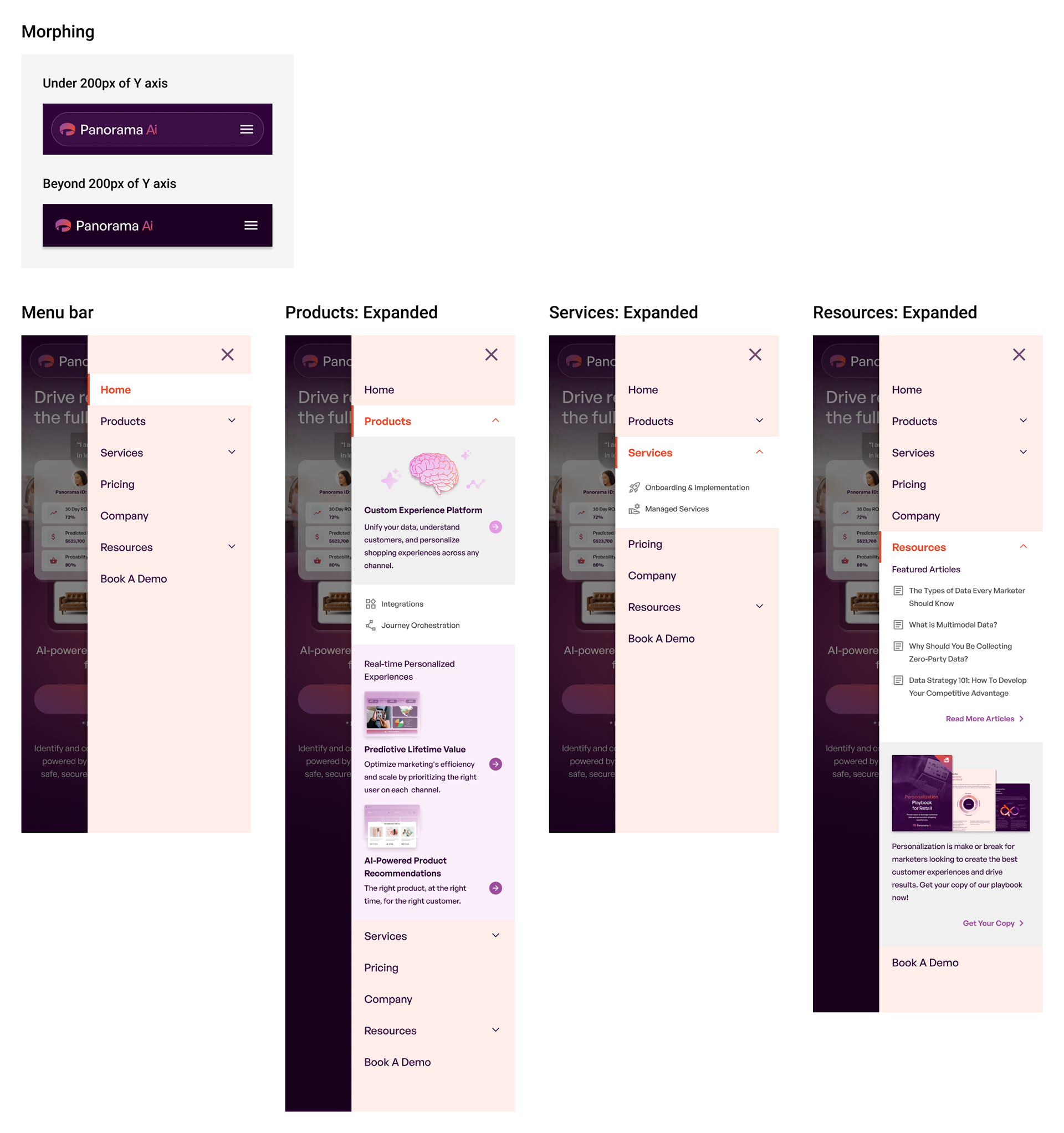
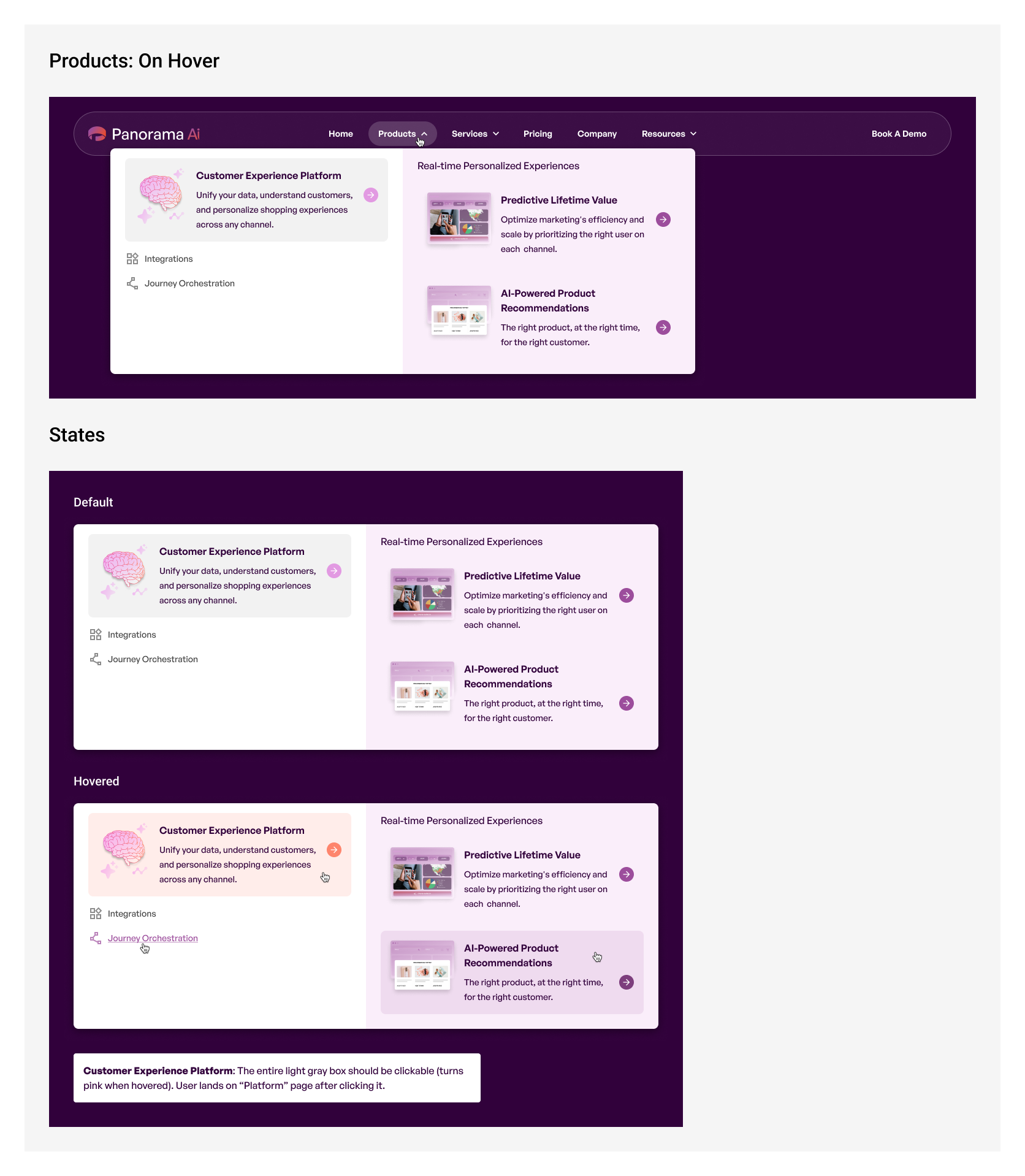
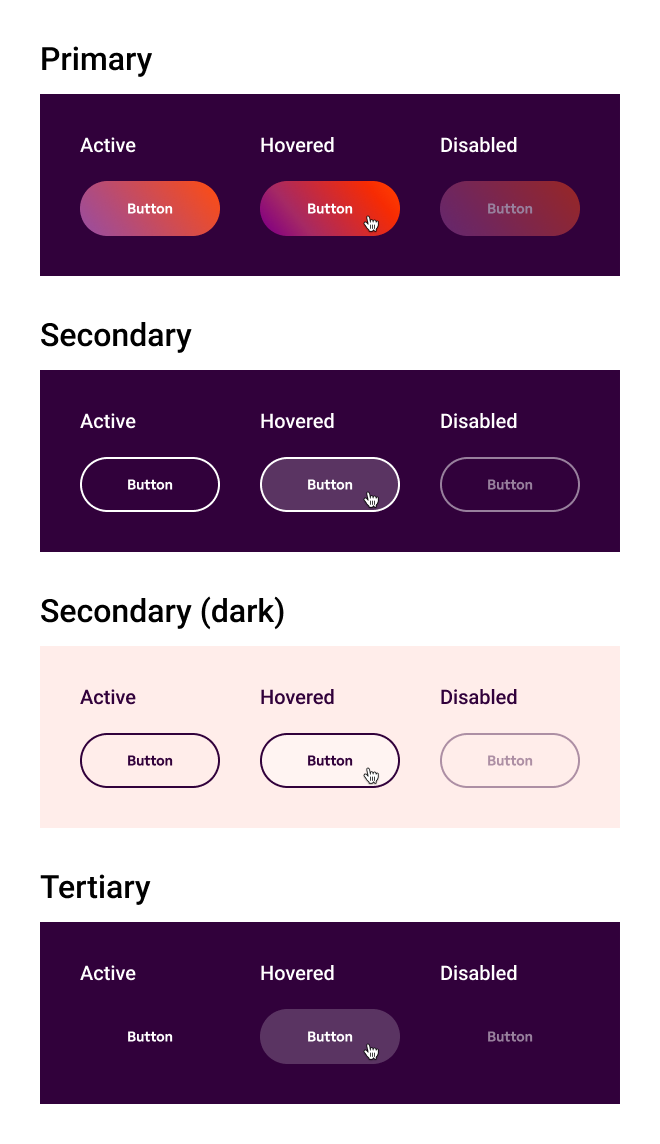
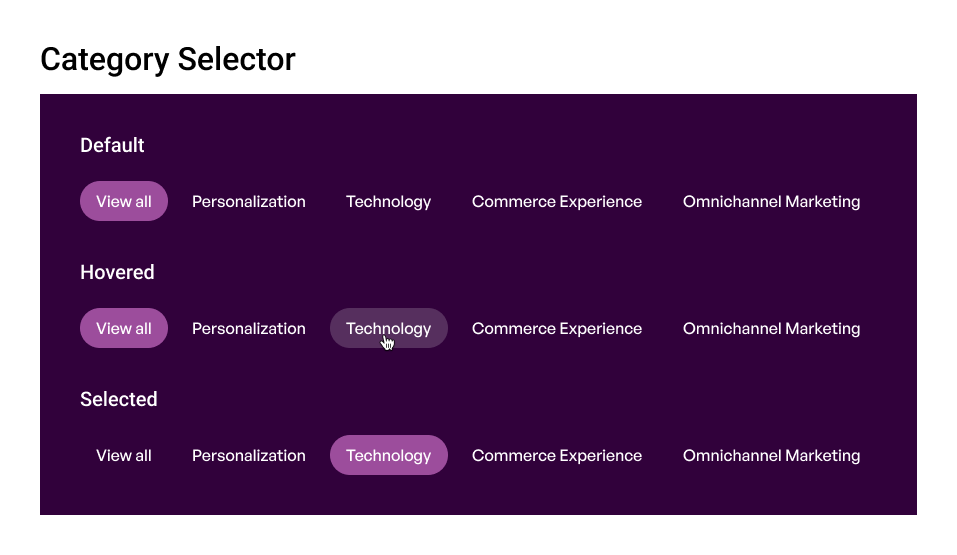
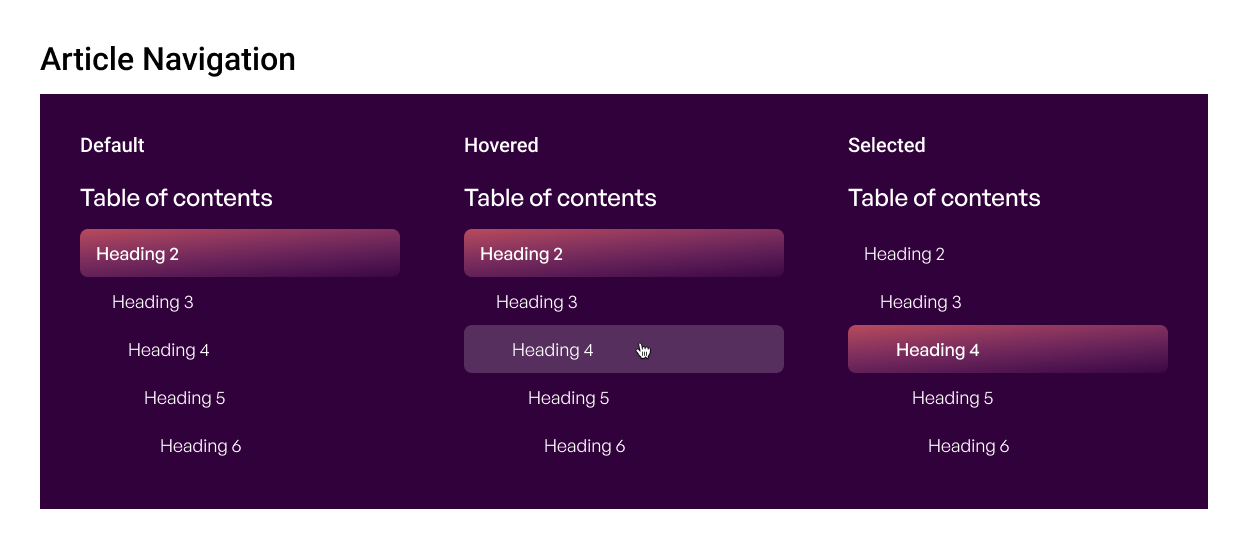
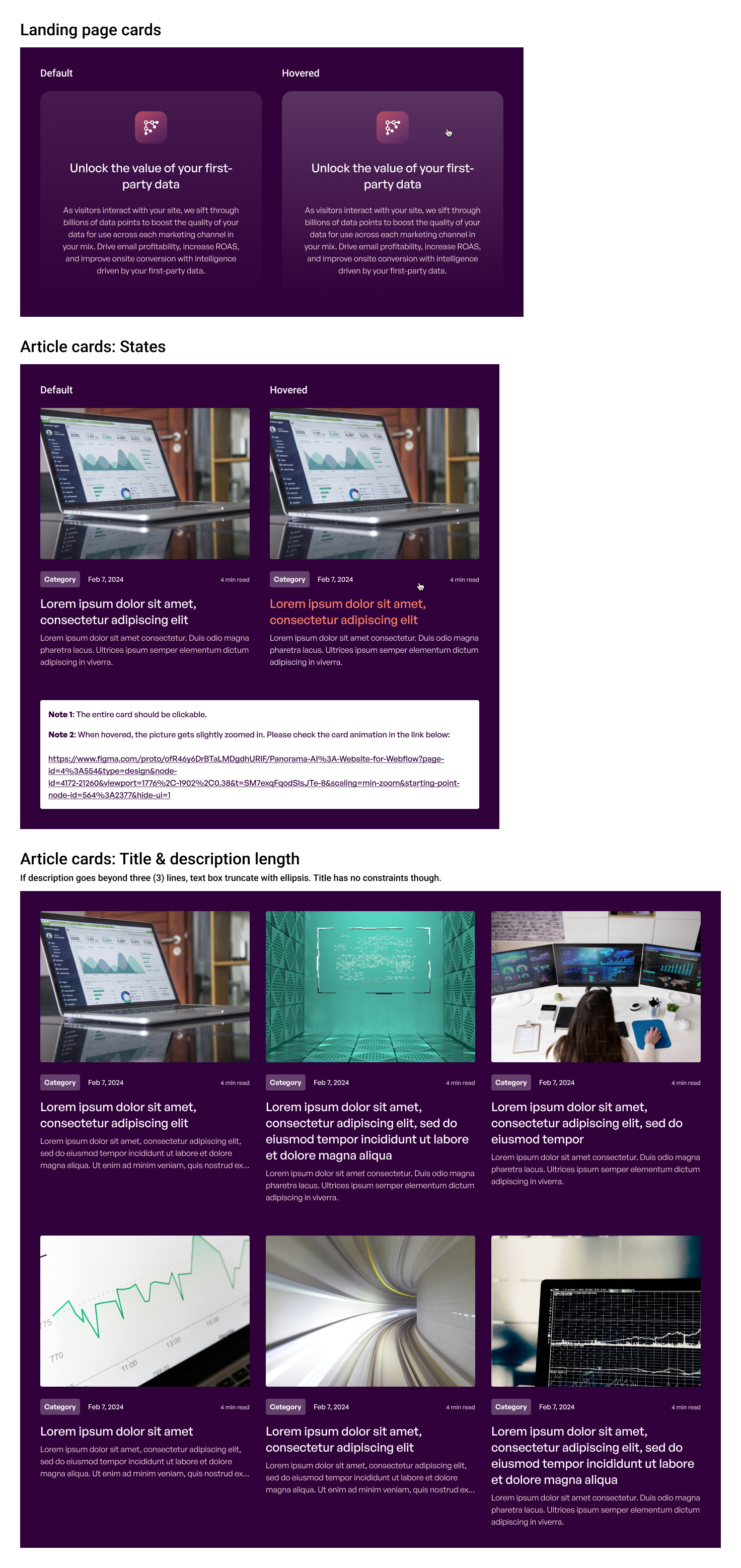
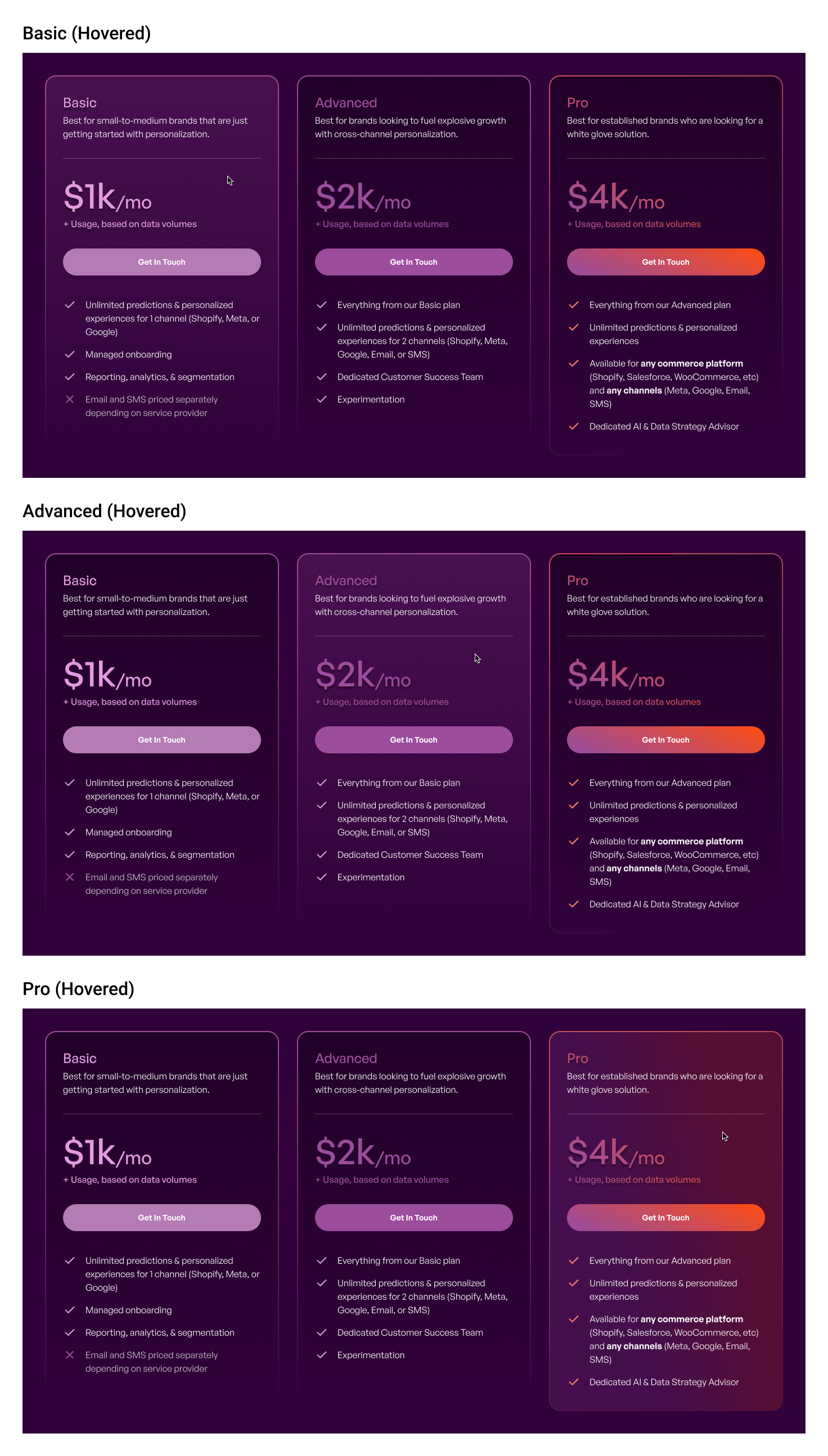
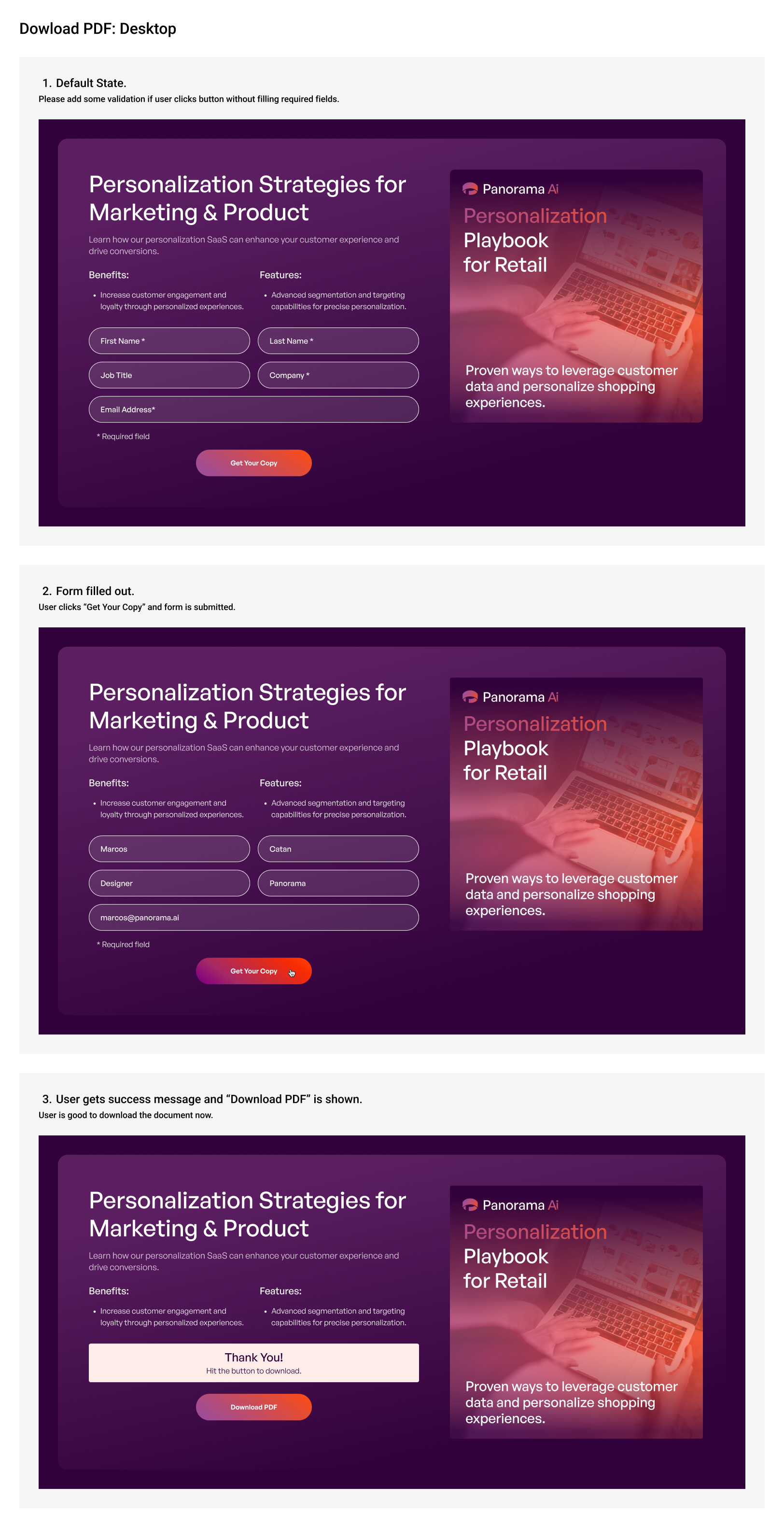
Design Specs
Technical specifications prepared for developer handoff, covering component states, edge cases, and interaction details to ensure accurate and consistent implementation.
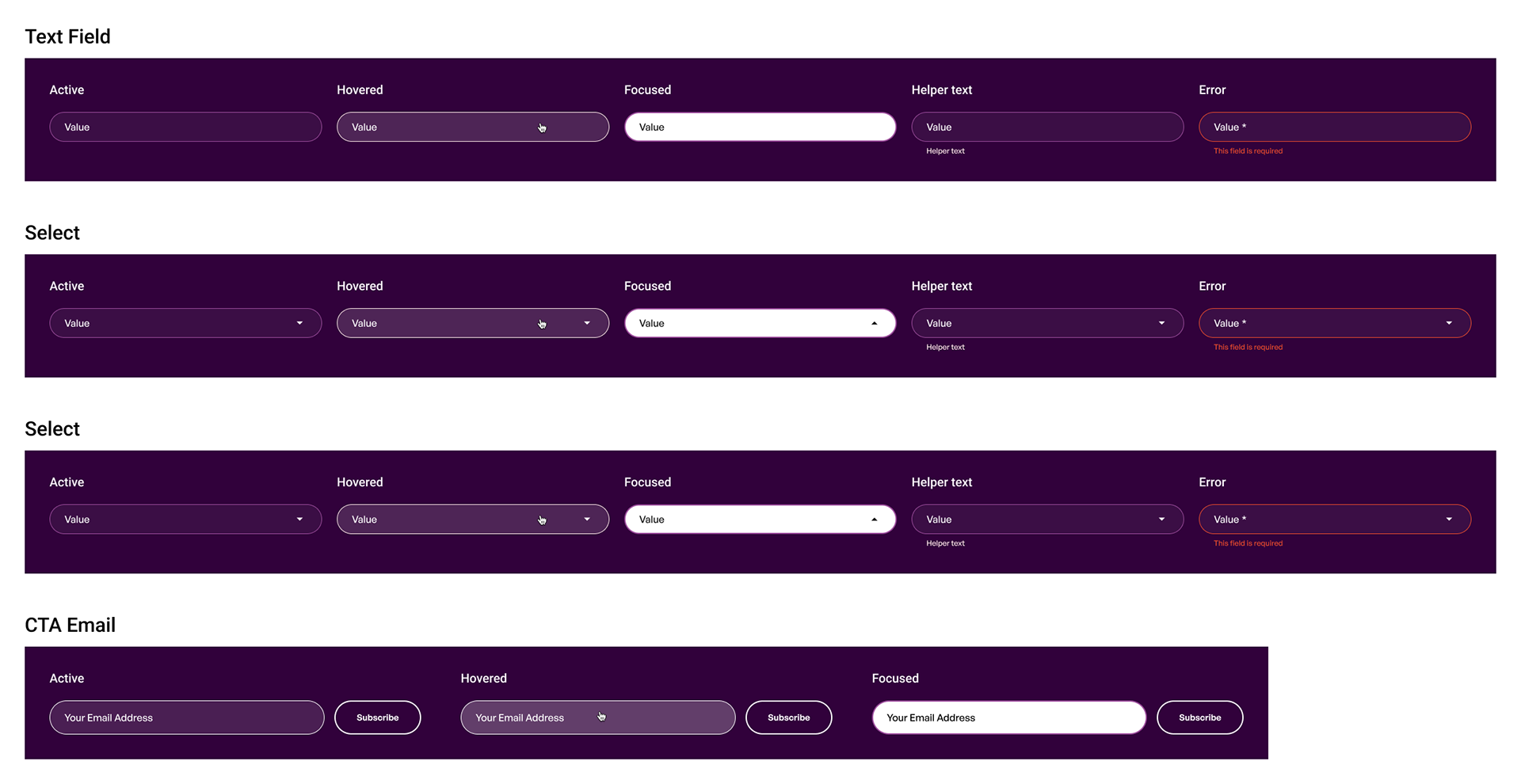
Style Guide
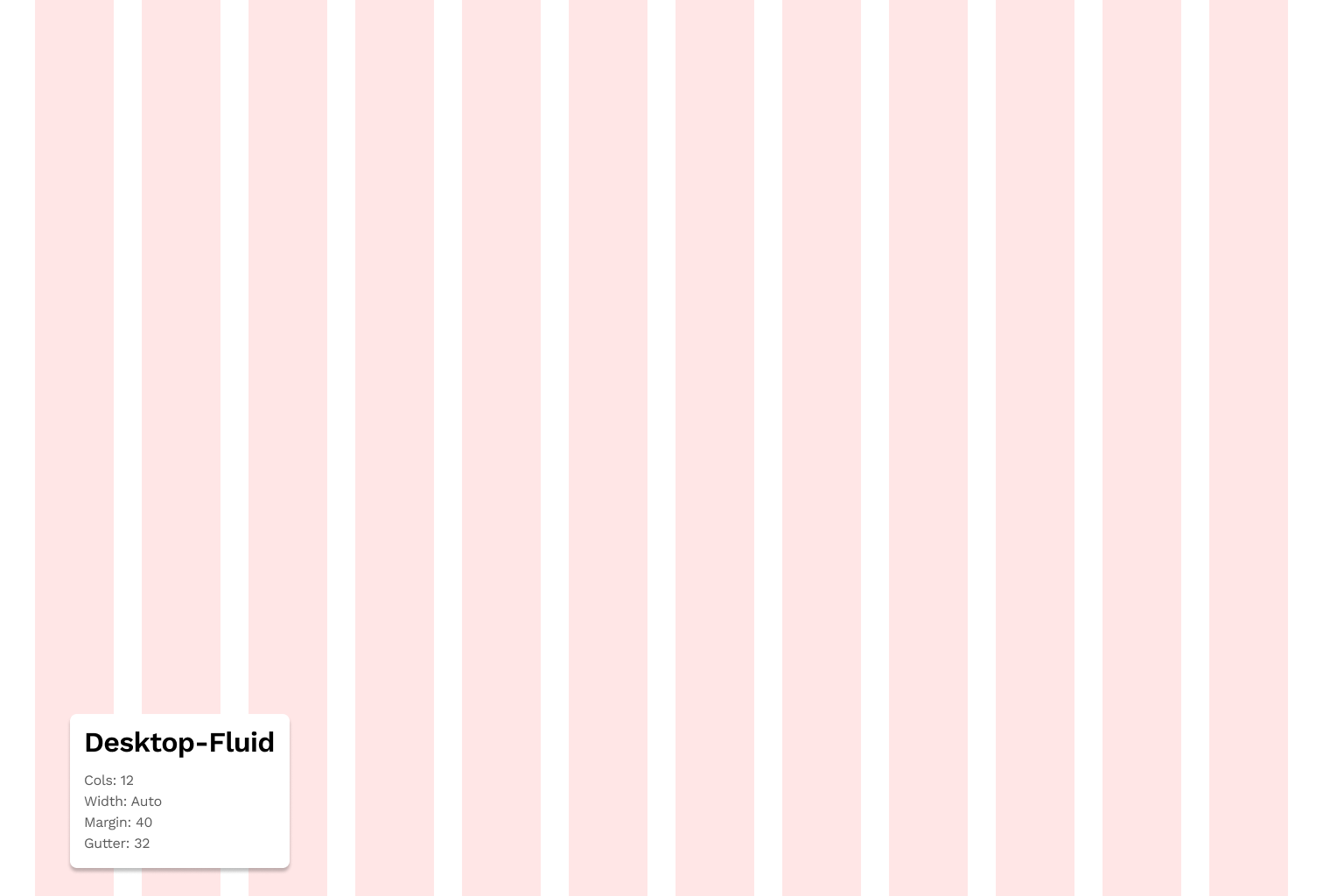
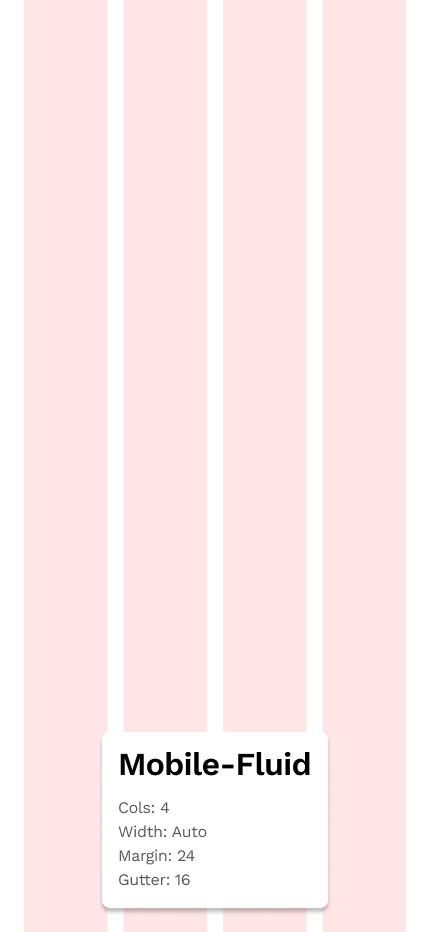
Visual language documentation covering colors, typography, spacing, and component usage rules — the foundation for maintaining consistency across all touchpoints.

Marketing Pieces
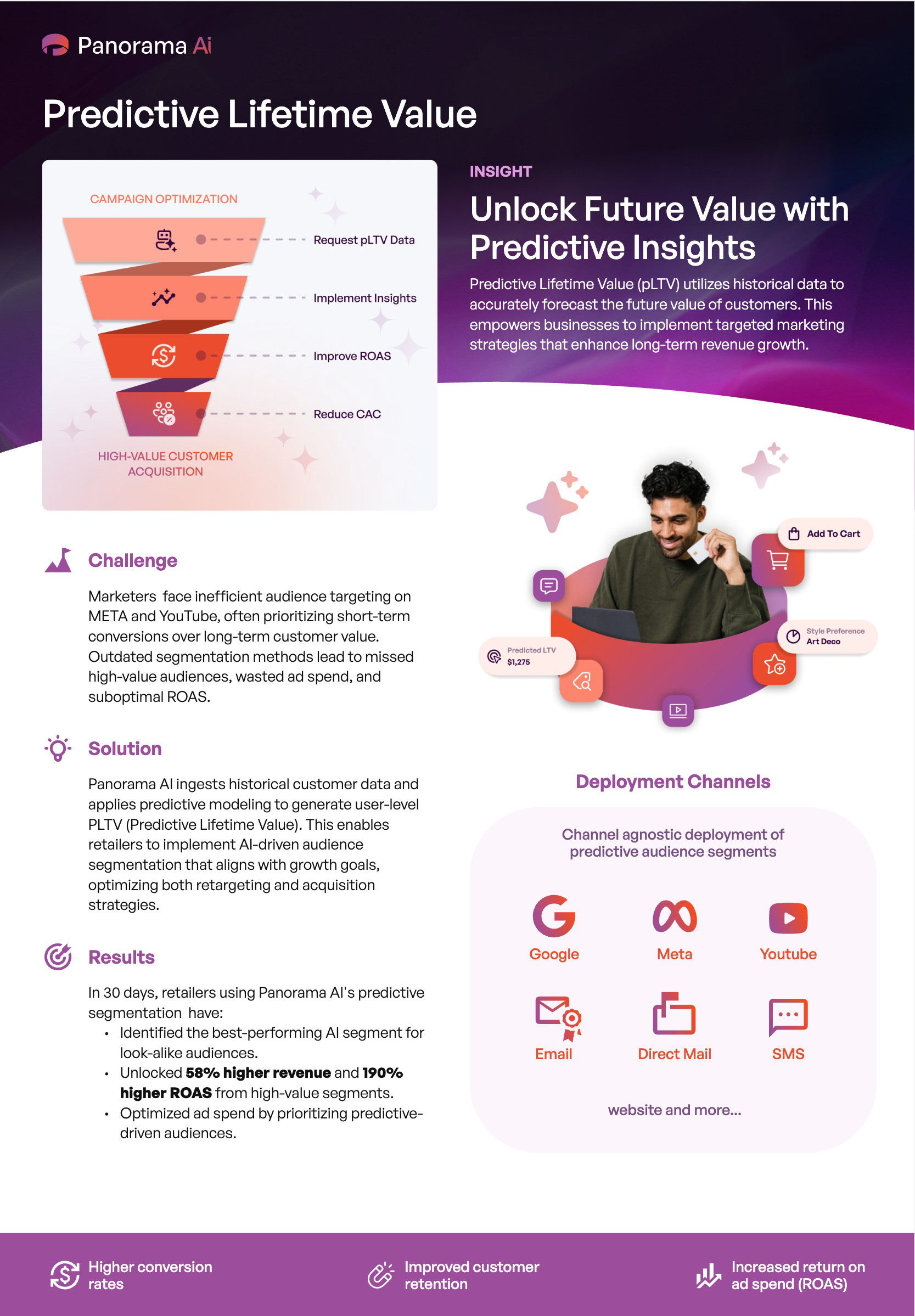
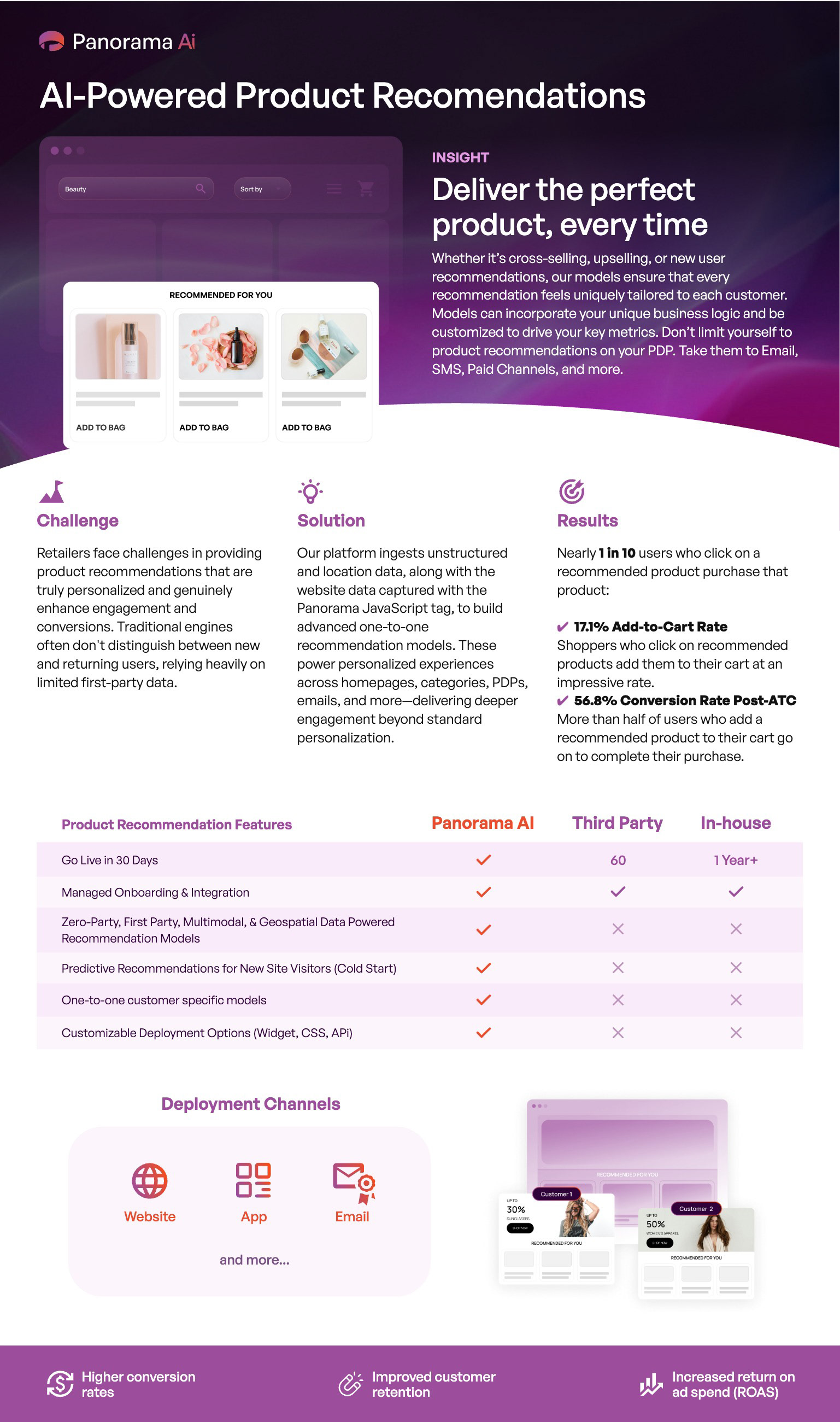
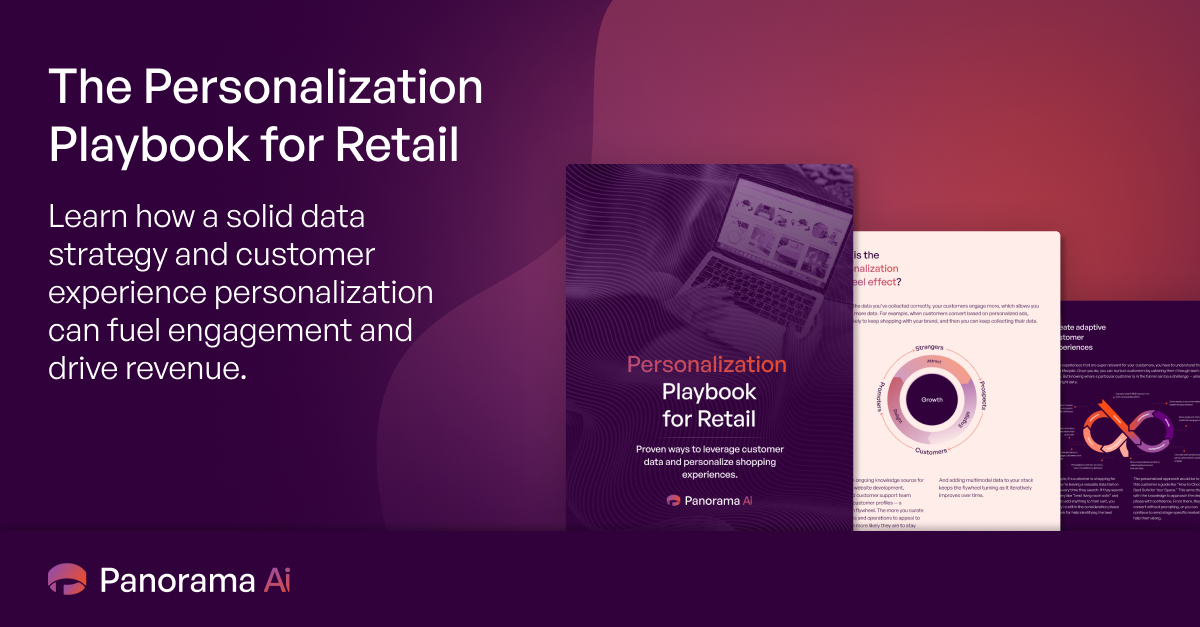
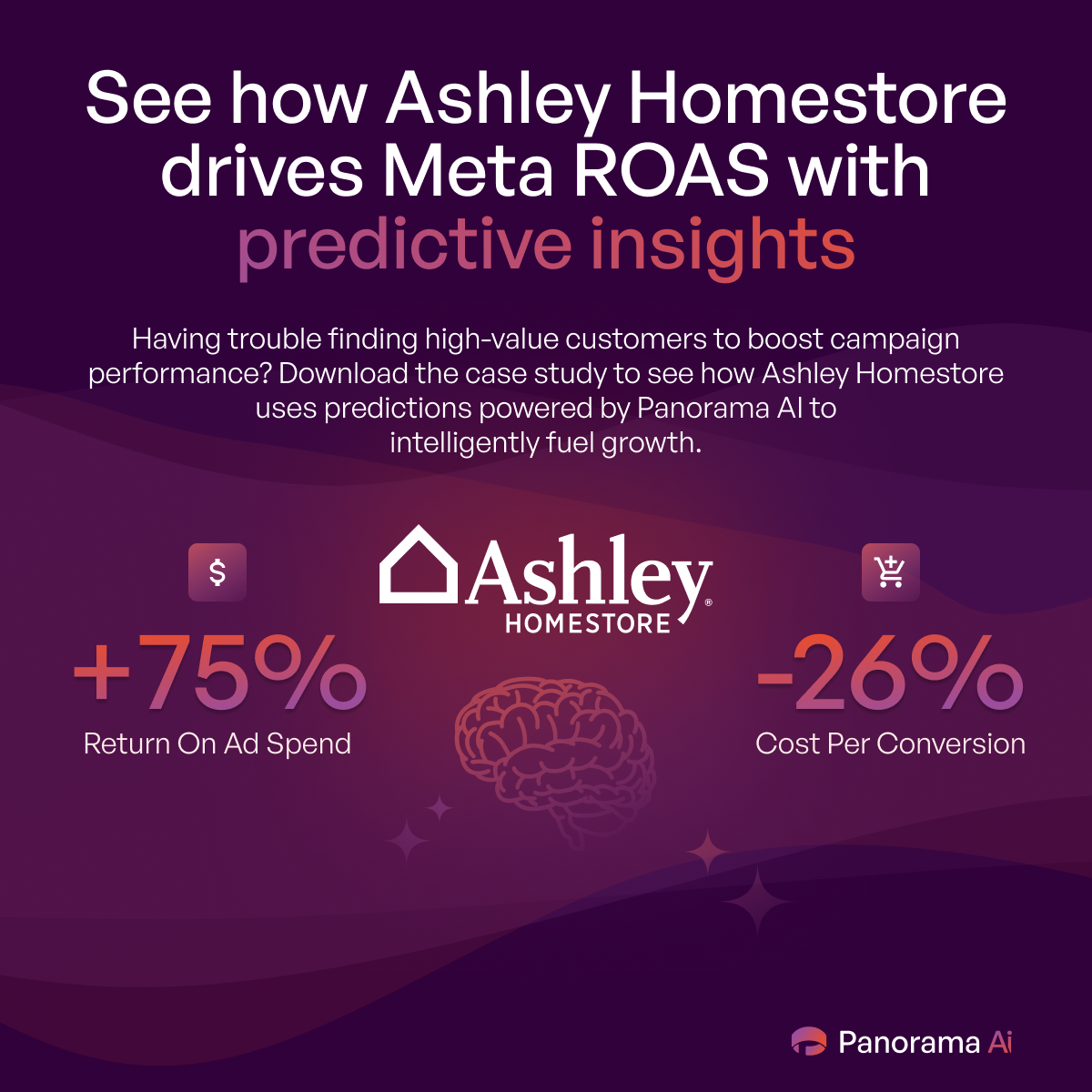
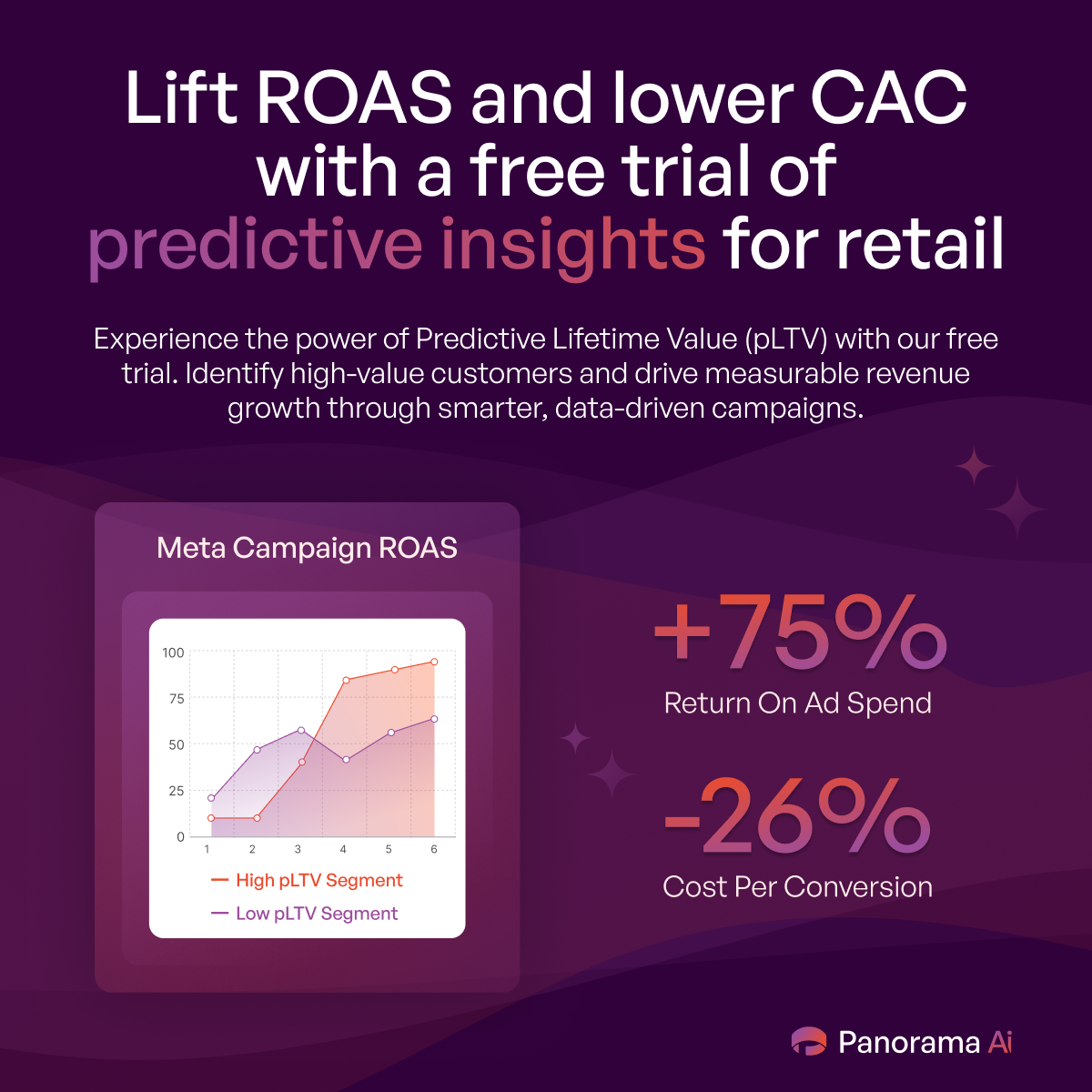
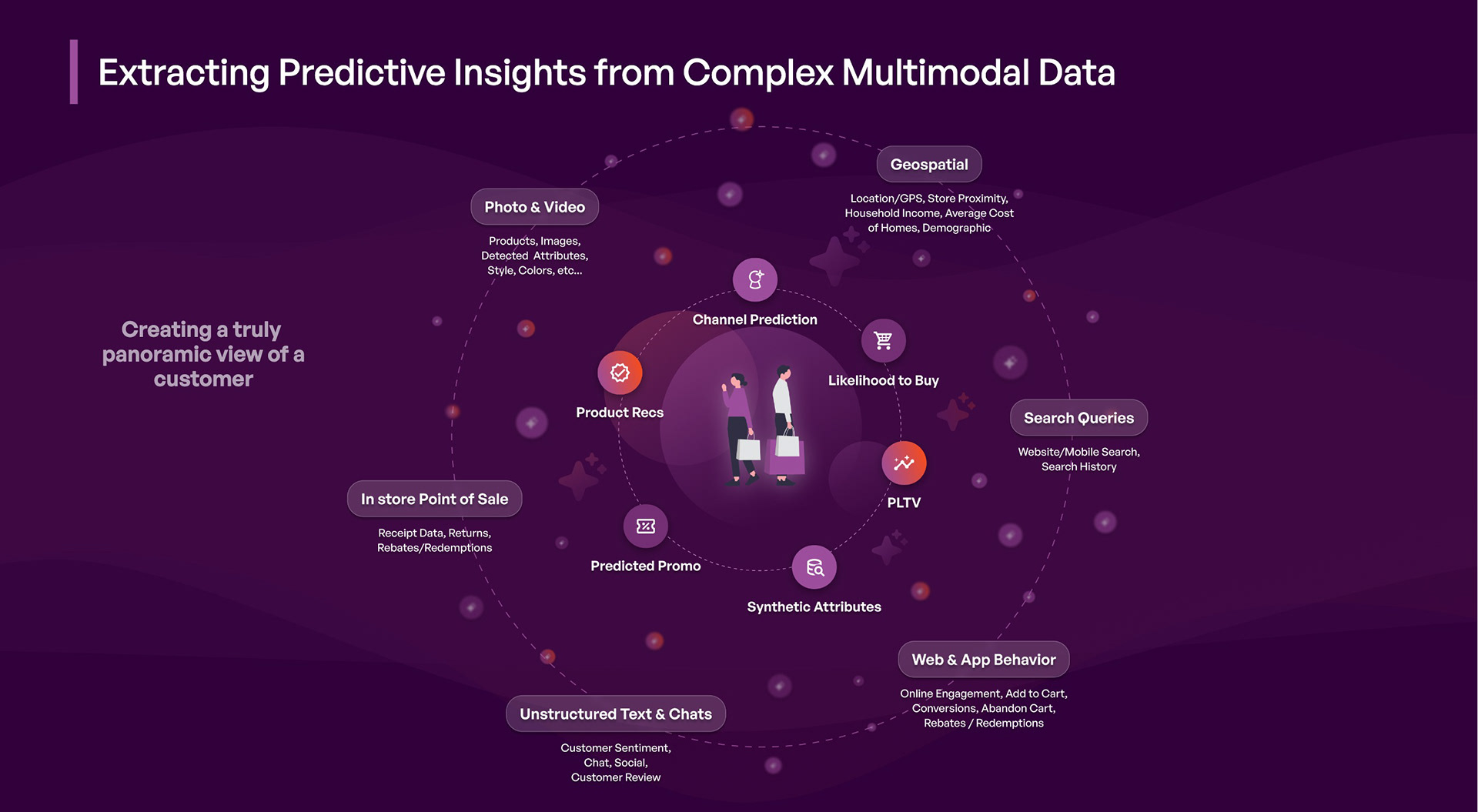
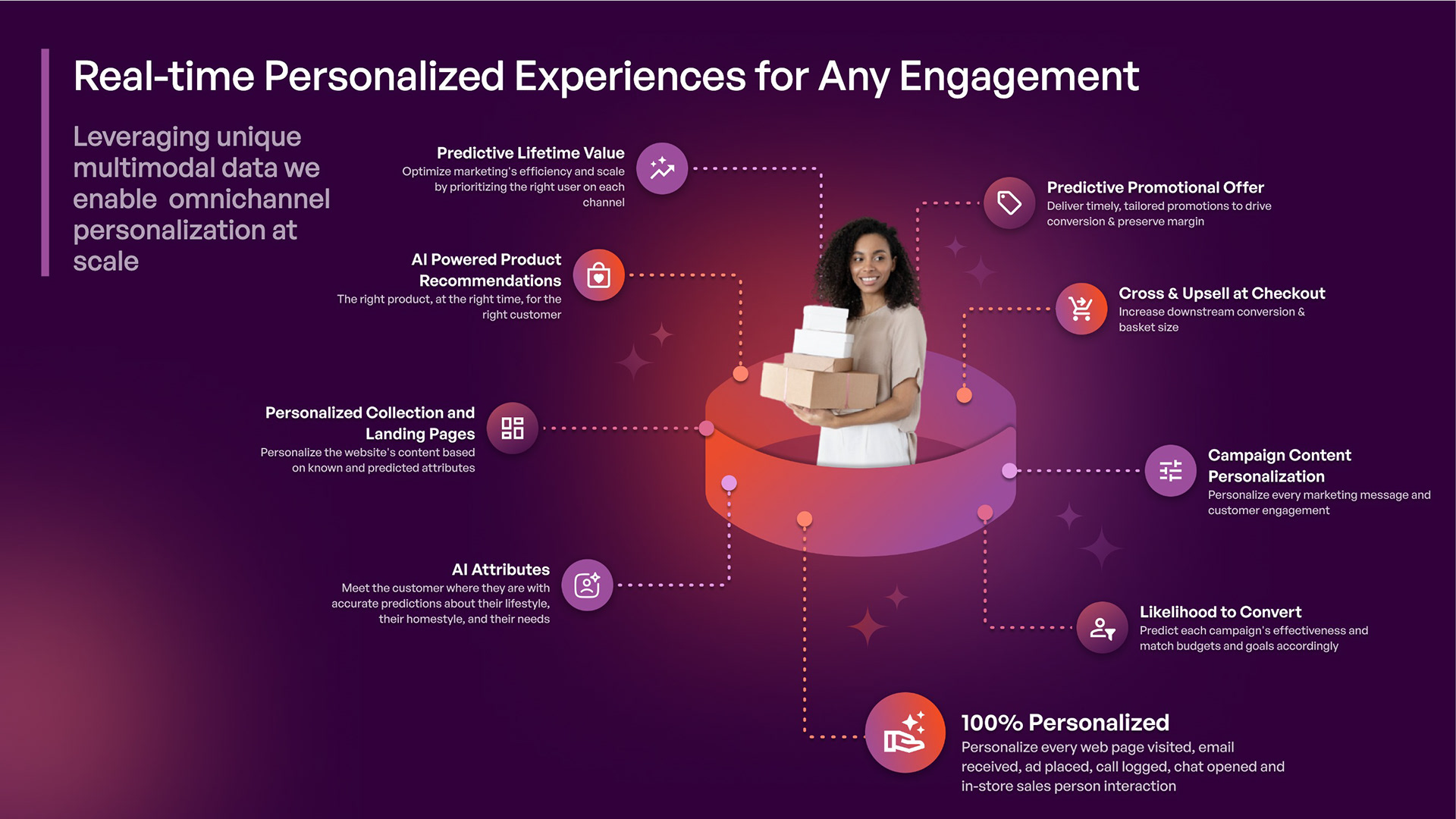
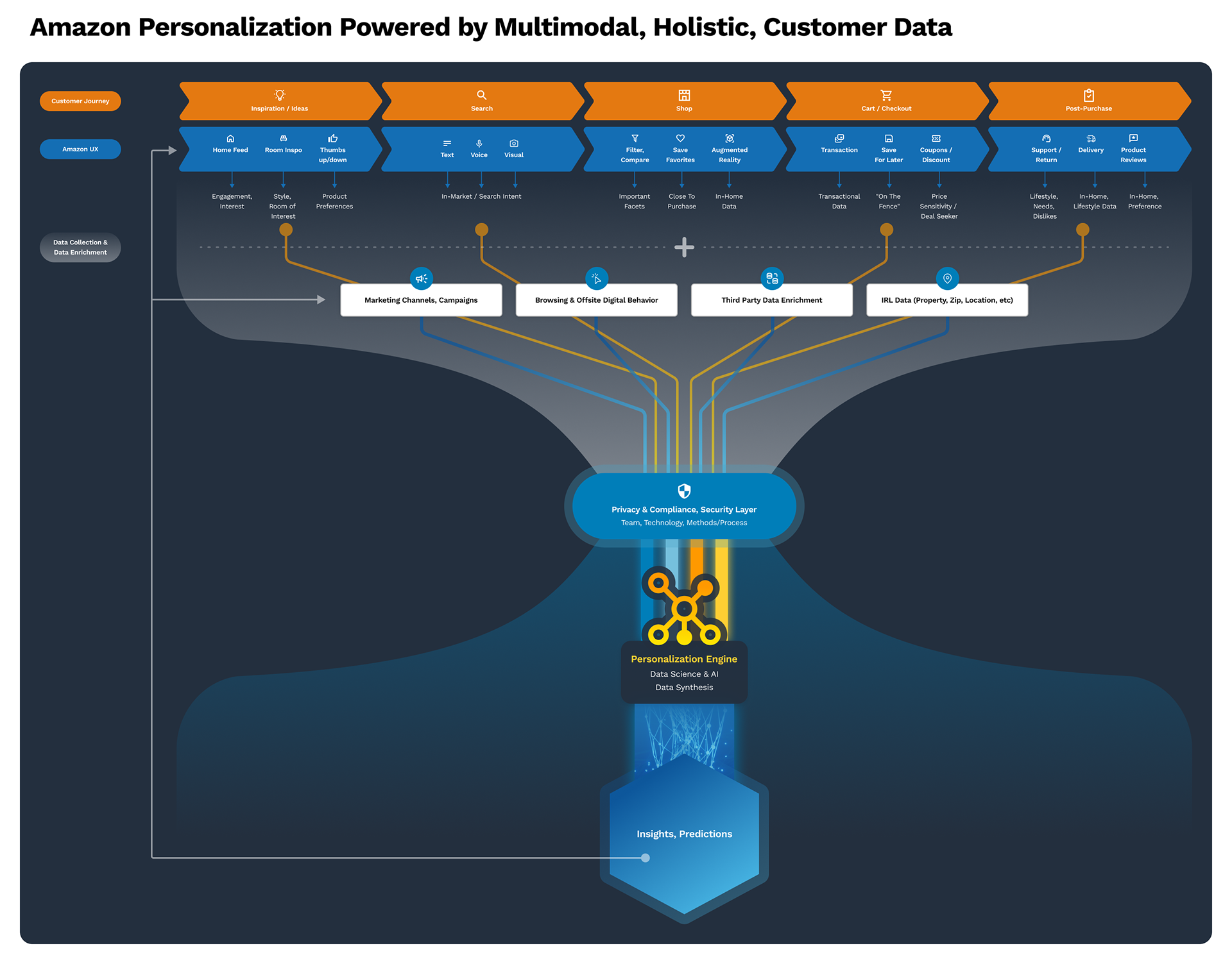
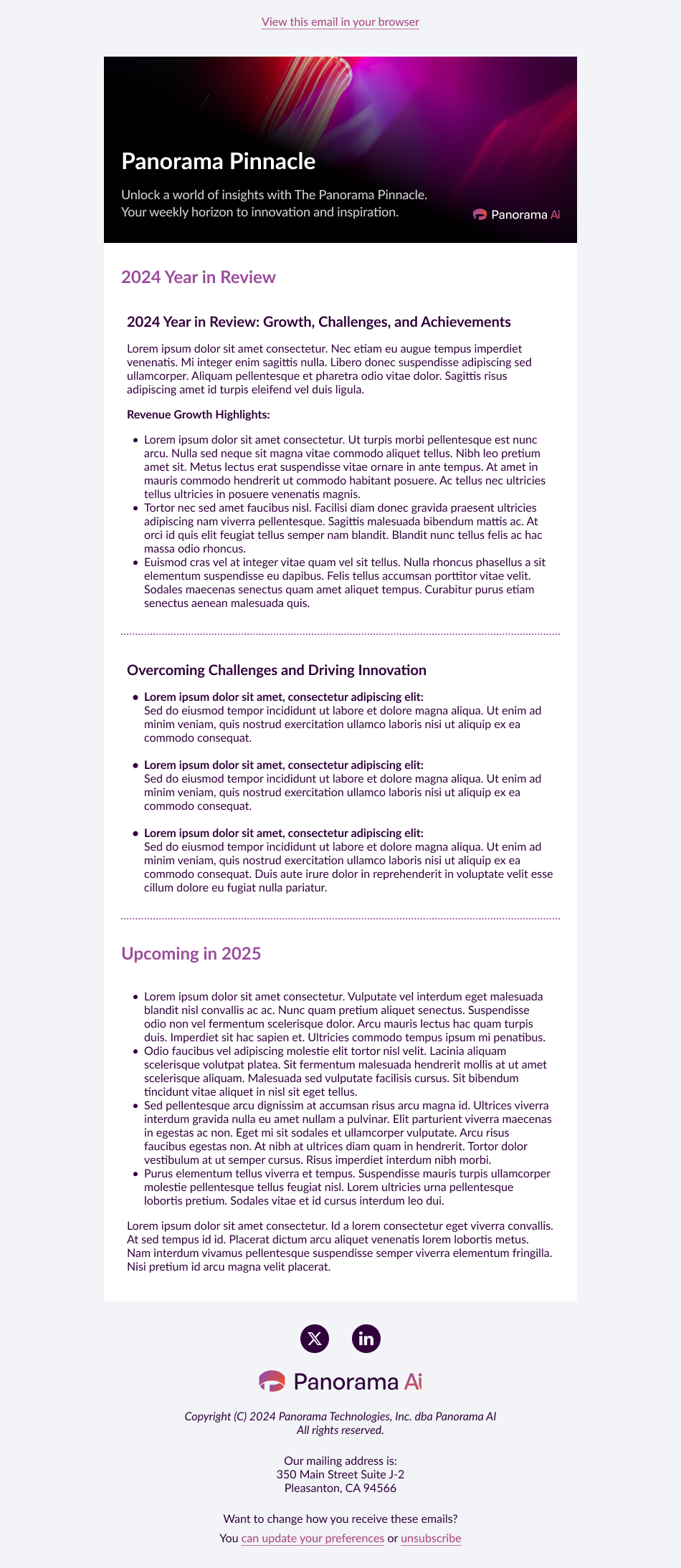
Brand-consistent marketing assets produced to support the sales team and outreach efforts, including one-pagers, LinkedIn ads, AI-generated infographics, and newsletters.